Central Vietnam Flooding: Calls for Robust Drainage
Heavy rains caused over 1 meter of flooding in Danang and more than 800 millimeters of rain in Hue last week, prompting calls for improved drainage systems and robust building materials to mitigate future damage.
Central Vietnam Faces Severe Flooding
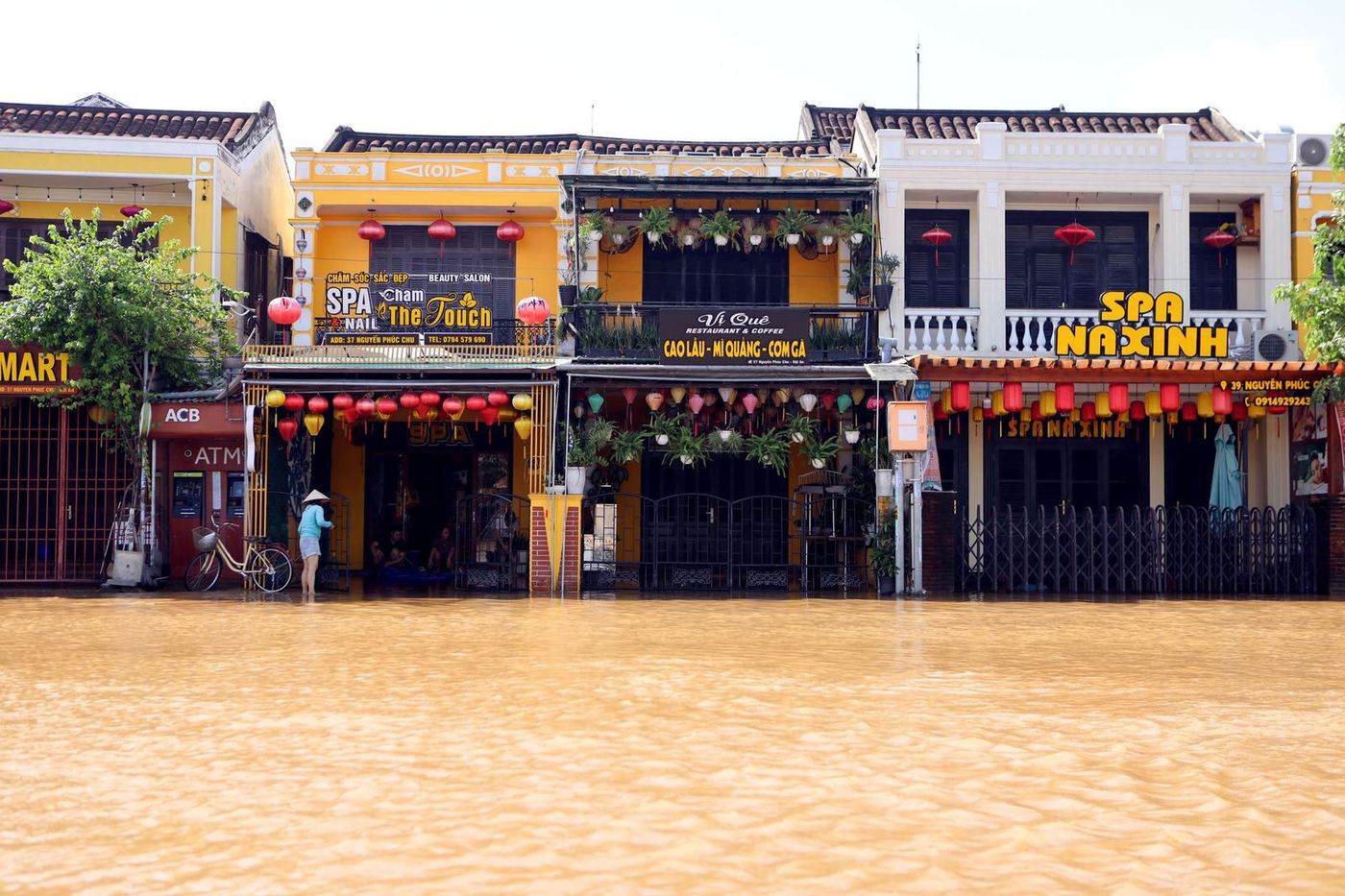
Central Vietnam experienced significant rainfall and flooding last week, impacting major urban centers. On Friday, 9 October 2026, the historic city of Hue saw widespread flooding after more than 800 millimeters (31.5 inches) of rain fell over three days.
Coastal lowlands and hilly areas in Hue’s south were particularly affected, increasing the risk of flash floods and landslides. The preceding day, Thursday, 8 October 2026, the coastal port city of Danang reported residential areas and streets inundated with water levels exceeding 1 meter (3.3 feet).
Authorities have warned of continued downpours through Sunday morning, 11 October 2026, which could trigger further flash floods and landslides in mountainous regions and persistent flooding in low-lying communities.
Emergency Response and Ongoing Risks
In response to the severe weather, Vietnamese state media reported the mobilization of troops and the readiness of amphibious armored vehicles for rescue operations. In Danang, nearly 130 troops were deployed to assist with evacuations and help residents move belongings to safety.
Landslides have also blocked roads in mountainous areas surrounding Danang, including in Tra Linh commune, where earth, rocks, and fallen trees obstructed a road to a nearby hamlet. While authorities have cleared some debris and partially reopened routes, the risk of further landslides remains.
Vietnam's rainy season typically extends from May through November, with similar heavy rains causing major flooding in central Vietnam, including Hue and Hoi An, in 2025.
Expert Advice on Damage Reduction
Benjamin Horton, a professor of earth science at City University of Hong Kong, emphasized the importance of proactive measures to reduce flood damage, even though extreme rainfall cannot be prevented. Horton's recommendations include implementing early warning systems, preparing rescue teams in advance, and critically, protecting key infrastructure.
He also highlighted the necessity of evacuating people before roads become impassable and investing in improved drainage systems. Horton stated that post-disaster recovery efforts should focus on building resilience against future floods, rather than merely replacing damaged structures with like-for-like solutions.
Implications for Construction and Urban Planning
The recent flooding in central Vietnam underscores an urgent need for robust materials and construction practices in flood-prone Asian cities. Developers and urban planners in Vietnam should prioritize specifying flood-resistant building materials for foundations, facades, and public infrastructure.
This includes high-performance concrete, water-resistant exterior cladding, and advanced drainage solutions like permeable paving and high-capacity stormwater management systems. Procurement teams sourcing for projects in regions like Hue and Danang should seek suppliers offering certified durable and weather-resilient products.
Investing in these materials and systems now can significantly reduce long-term repair costs and enhance safety for residents in areas susceptible to heavy rainfall and rising water levels.
Get The Materials Brief.
The week in materials, projects and sourcing, every Tuesday. Free.