Sumitomo Forestry, Mazex Deploy Keisuke Drones for Japan Timber Logistics
The new "Keisuke" drone series aims to improve material transport efficiency in challenging forest terrains across Japan, building on prior joint development efforts in Shikoku.
New Drone Series for Timber Operations
Sumitomo Forestry and industrial drone manufacturer Mazex are expanding the use of transport drones for forestry in Japan. Sumitomo Forestry will distribute the new "Keisuke" series of transport drones, sold by Mazex, to forestry businesses through its network. Mazex will provide product explanations and support for drone introduction and operation.
This initiative follows previous joint development work between the two companies, with Sumitomo Forestry sharing its forest management knowledge and user feedback to help Mazex refine drone functions and operational improvements for practical forestry applications.
Enhanced Efficiency and Affordability
The "Keisuke" series incorporates technology and field expertise gained from the "Morihi" series, Japan's first transport drone for forestry, which Sumitomo Forestry and Mazex jointly developed. The "Keisuke 25" model maintains the same payload capacity as its predecessor, the "Morihi 25," while offering a reduced price.
Its aircraft area is approximately 64% smaller than the "Morihi 25," making it easier to handle on-site. The drone is designed for continuous flight, using two pairs of batteries (four batteries) alternately, allowing one pair to charge while the drone is in use.
Addressing Forestry Supply Chain Challenges
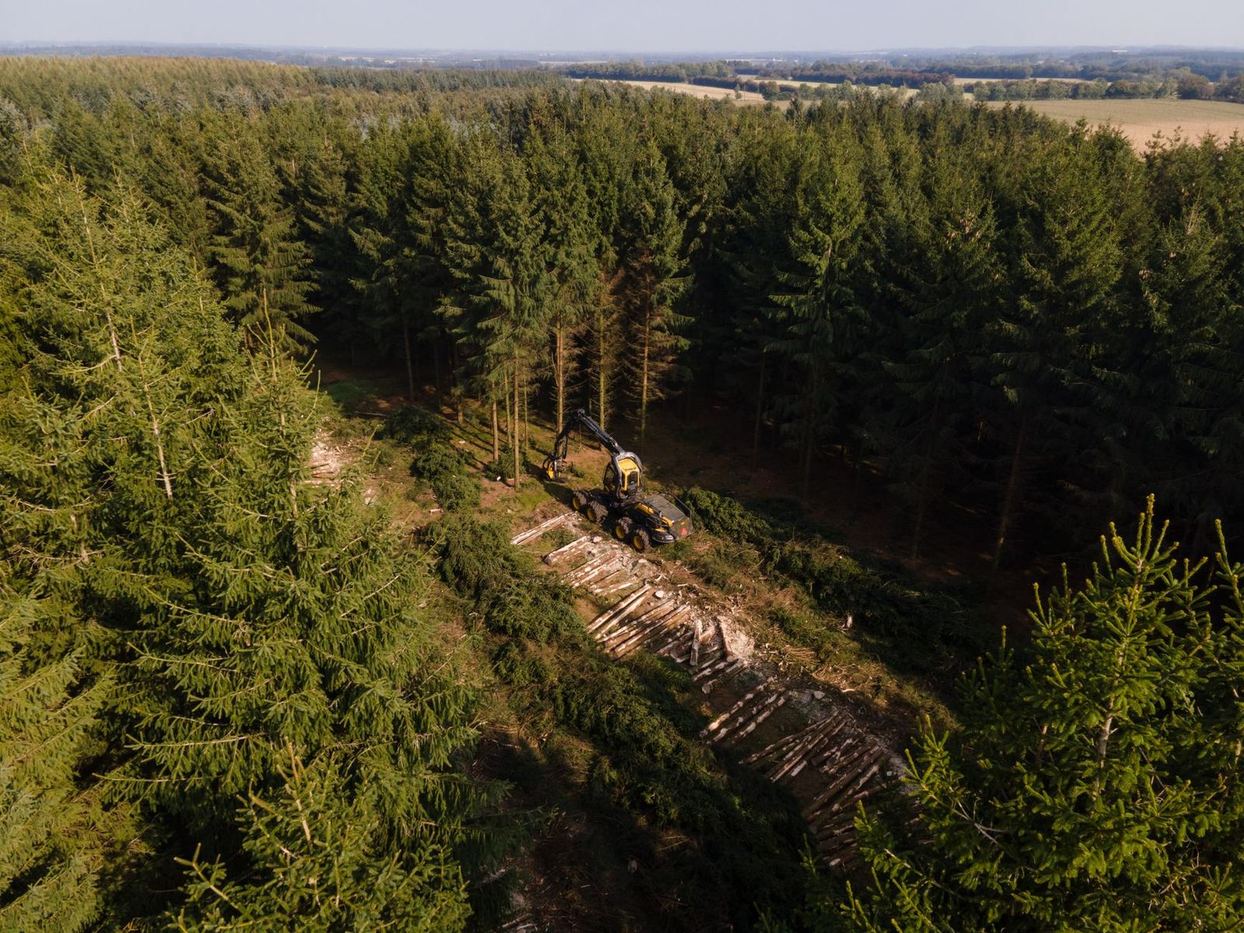
These drones are designed to address significant challenges within Japan's forestry sector, where many post-war planted forests are now ready for harvesting. The industry faces an aging workforce, a shortage of workers, and the physical demands of working on steep slopes.
Manual transport of seedlings, animal damage prevention nets, tree shelters, and other materials to remote or dangerous locations, often far from forest roads, presents both physical and safety risks for workers. Automating these transport tasks with drones can mitigate these issues, improving efficiency and worker safety in forest management and reforestation operations.
Implications for Asia's Timber Supply
The deployment of the "Keisuke" drone series in Japan could inform timber and building material procurement strategies across Asia. Several Southeast Asian countries, such as Indonesia and Malaysia, also manage extensive forest resources in challenging topographies and face similar labor demographic shifts.
If drone-based logistics prove to consistently reduce operational costs and increase timber yield efficiency in Japan, procurement teams for construction projects in Singapore or Vietnam might see more stable or cost-effective supplies of certified timber from regions adopting similar smart forestry solutions by 2028.
This technology directly impacts the reliability of raw material delivery to processing plants that supply finished wood products.
Get The Materials Brief.
The week in materials, projects and sourcing, every Tuesday. Free.