Atlas Engineered Products Commissions Canada's First Robotic Roof Truss Line
The 42,000 sq ft facility in Clinton, Ontario, is undergoing production testing to boost engineered wood product supply for home building.
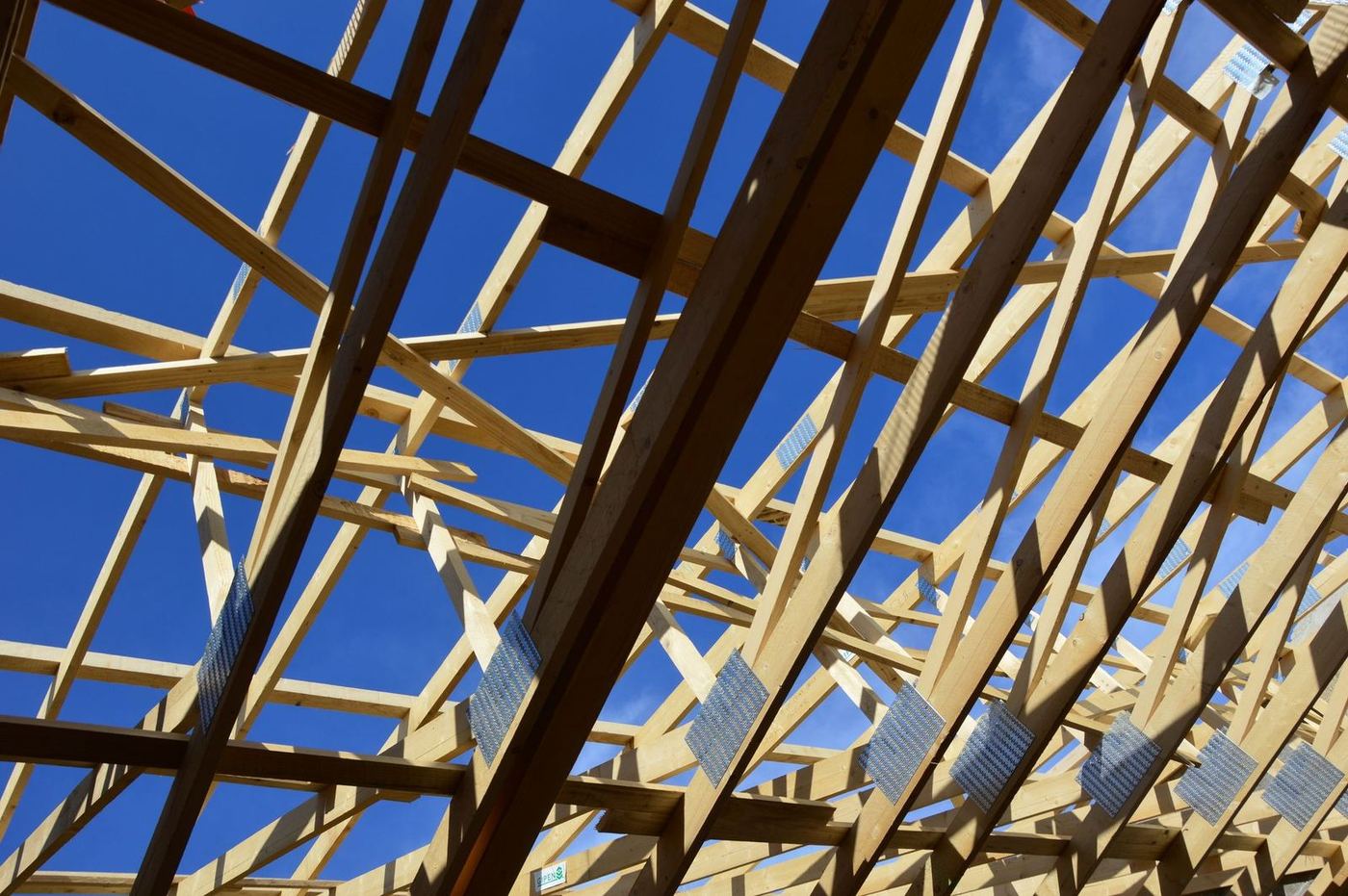
Canada's First Robotic Truss Line Operational
Atlas Engineered Products (AEP), a Canadian supplier of engineered wood products, has completed the commissioning of a robotic roof truss manufacturing line. Located at its new 42,000 sq ft automation facility in Clinton, Ontario, this system marks Canada's first robotic line for roof truss production.
The company is currently conducting training and testing, including initial production runs of roof trusses destined for sale. This development positions AEP to enhance its manufacturing capabilities for the Canadian market.
Boosting Domestic Engineered Wood Supply
The new robotic line is designed to significantly increase AEP's production capacity and improve operational efficiencies. Hadi Abassi, AEP's president, chief executive, and founder, stated that this enhanced capability will enable the company to better support the building industry as Canada works to construct more homes.
AEP specializes in trusses and other engineered wood products, which are crucial components in residential and commercial construction. The company plans to host an event later this month to celebrate this milestone.
Government Investment in Forest Industry Transformation
The installation and commissioning of the robotic line received support from the Canadian government. Abassi acknowledged the contribution of the Investment in Forest Industry Transformation (IFIT) program, highlighting its role in the project's completion.
This government initiative focuses on modernizing Canada's forest industry through technological advancements, underscoring a national interest in boosting domestic wood product manufacturing and its efficiency.
Asian Market Implications for Engineered Wood
The inauguration of Canada's first robotic roof truss line by Atlas Engineered Products shows a tangible step towards increased automation in North American engineered wood production. This expansion of domestic manufacturing capacity for structural timber components, driven by Canada's housing demand, will likely increase local supply.
Consequently, Asian manufacturers of engineered wood products exporting to the North American market should anticipate a rise in competitive pressure from this growing domestic output. This trend could lead to a recalibration of pricing or market share for imported goods in the region over the coming two years.
Get The Materials Brief.
The week in materials, projects and sourcing, every Tuesday. Free.