Latin America: Post-China Ban Plastic Waste Surges, 7 Nations Hotspots
Seven Latin American countries now face severe plastic pollution, driven by increased imports of difficult-to-recycle plastics since China's 2018 ban, straining inadequate waste management infrastructure.
Latin America Sees Plastic Waste Surge Post-China Ban
Since China implemented a ban on plastic waste imports in 2018, Latin America has experienced a substantial increase in incoming plastic waste. A study published in April by researchers at UCLA and the University of the Pacific in Lima, Peru, identifies seven countries as “plastic pollution hotspots” (PPHs).
These nations include the Dominican Republic, Guatemala, Honduras, Mexico, Nicaragua, Panama, and Paraguay. These hotspots are characterized by a combination of high volumes of low-quality plastic imports and insufficient waste management infrastructure.
Experts report that thousands of metric tons of plastic leak into the environment daily, creating public health concerns in communities already facing poor sanitary conditions.
Difficult-to-Recycle Plastics Strain Regional Systems
Global plastic waste generation reached 353 million metric tons in 2019, with only 9% recycled and 72% landfilled or dumped, according to an OECD report. While Malaysia and Thailand absorbed a significant portion of the plastic waste redirected from China, Latin America also increased its imports.
Alberto Rojas, a consultant at the Environmental Investigation Agency, noted that after China’s 2018 ban, the region absorbed more waste of all types. Imports of difficult-to-recycle plastics, such as polyvinyl chloride (PVC) and polystyrene (PS), rose sharply.
These materials were often recirculated within the region, directed towards lower-income countries with weaker waste systems. Nicaragua's waste imports increased by 394% between 2015-2022, while Paraguay recorded a 234% increase in the same period, indicating particularly dire situations.
Health Implications and Mismanaged Waste Scale
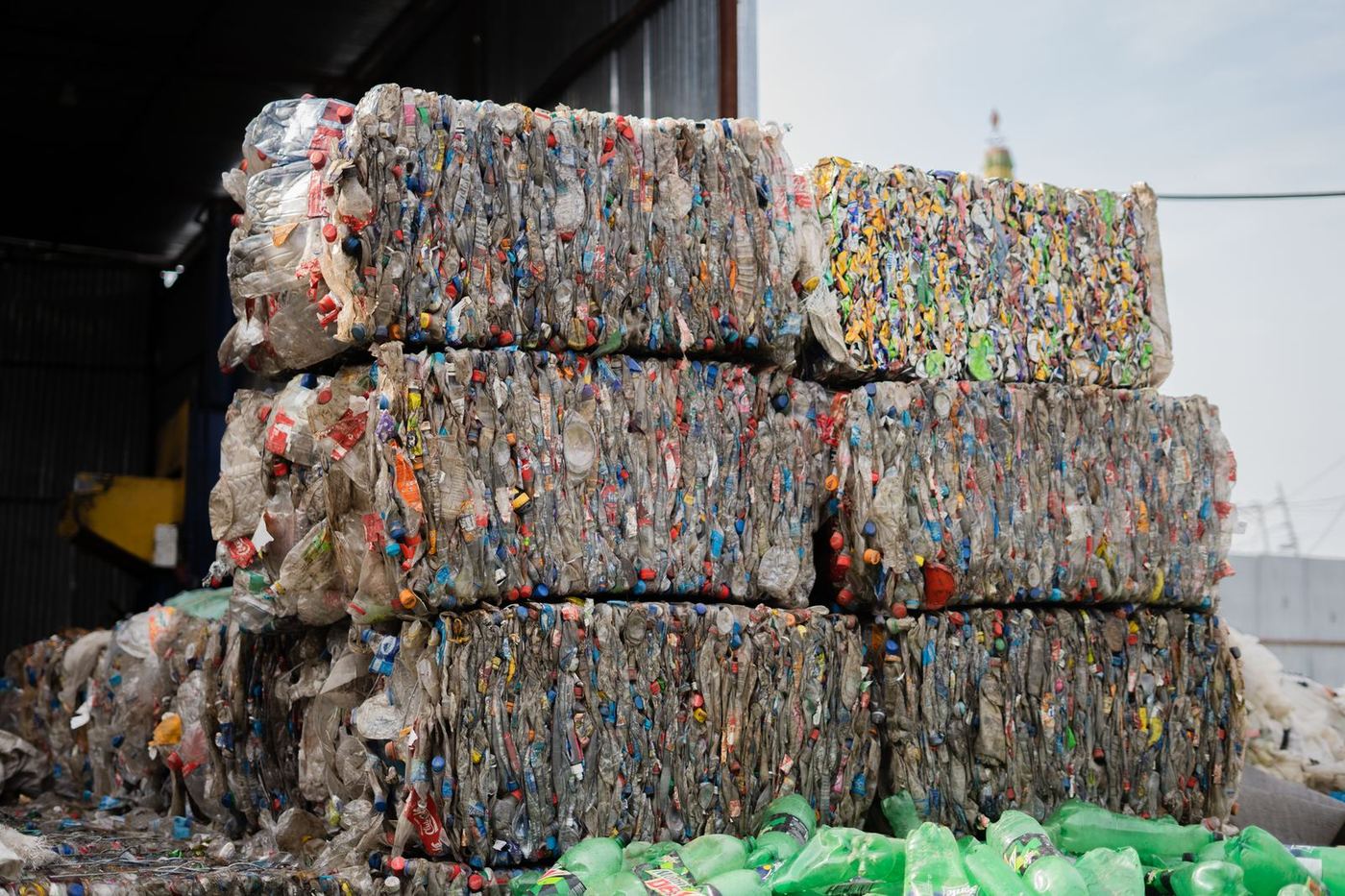
In 2024, Latin America imported plastic waste valued at $1176.82 million. This scrap frequently arrives in unsorted bales, containing hard-to-recycle plastics used in products such as plastic cutlery, shrink wrap, and foam food containers. Evidence suggests importers often dispose of plastic they cannot use.
Rojas stated that approximately 17,000 metric tons of plastic waste are sent to open dumpsites across Latin America and the Caribbean daily, with nearly 40 million people lacking basic waste collection. The Solid Waste and Circular Economy Hub, managed by the Inter-American Development Bank (IDB), reports that 39% of Latin America’s municipal waste leaks into the environment.
This surge in plastic waste has health implications, impacting access to clean water and increasing disease risk due to the over 16,000 chemicals, including plasticizers, flame retardants, and PFAS, present in plastics.
Implications for Asian Material Sourcing and Policy
The global redirection of plastic waste, specifically difficult-to-recycle types like PVC and PS, underscores a growing challenge for material circularity and sustainability initiatives worldwide. Asian manufacturers producing or using these plastics, or those involved in plastic recycling, should note the increasing strain on waste management systems in importing regions.
This trend implies potential future regulatory changes impacting plastic production, trade, and the demand for recycled content, particularly as global plastics treaty talks are set to resume in 2027.
Procurement directors specifying plastic-based building materials or interiors should evaluate supplier commitments to waste reduction and end-of-life solutions, especially for materials with limited recycling infrastructure, to align with evolving global standards and mitigate supply chain risks.
Get The Materials Brief.
The week in materials, projects and sourcing, every Tuesday. Free.