Melbourne F1 Pit Building Glulam Roof Uses Prefabricated Cassettes
The $395 million Albert Park F1 project incorporates 12-meter timber cassettes, cutting crane lifts by two-thirds, with completion set for 2028.
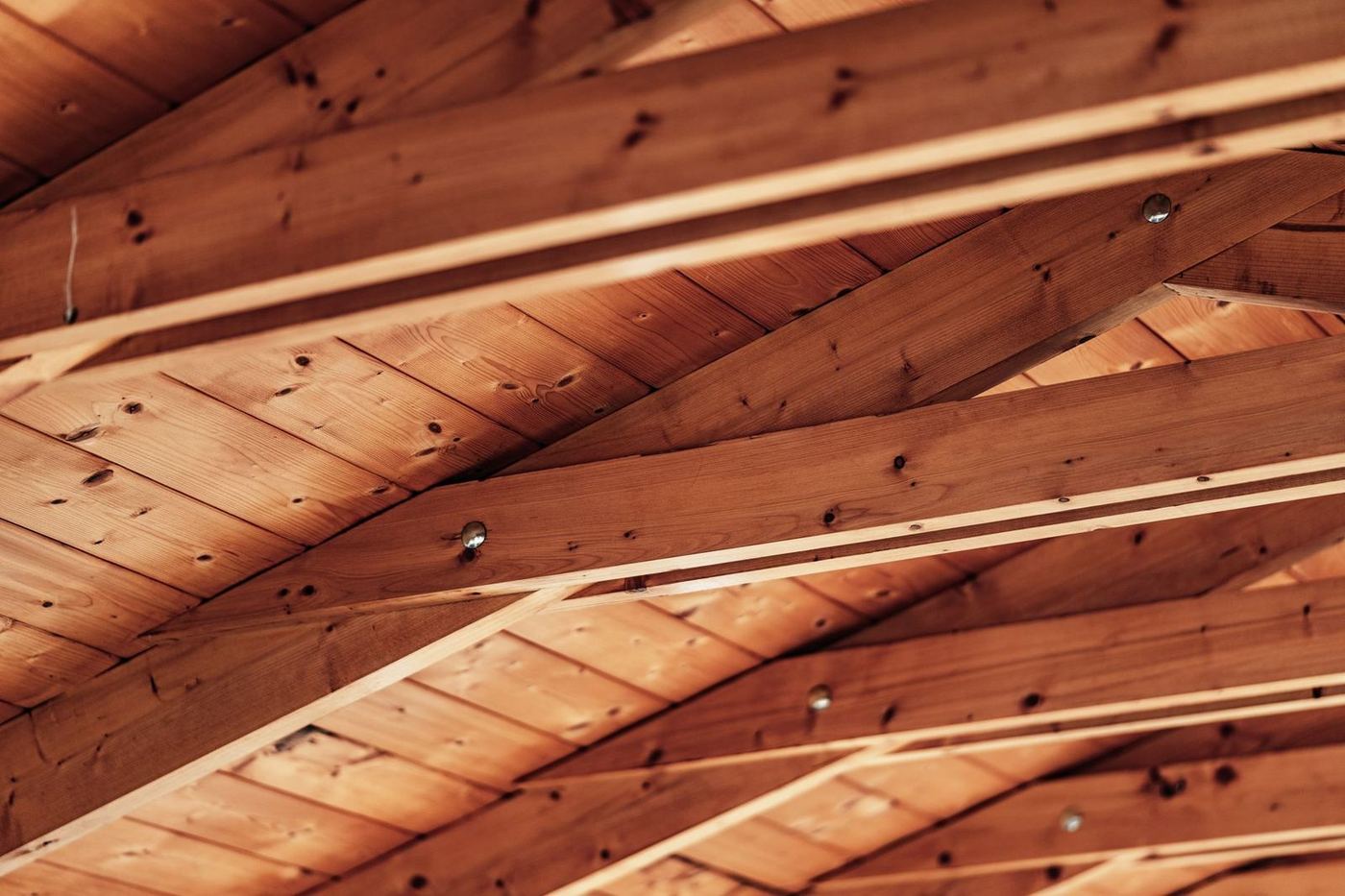
Glulam Roof Features Prefabricated Timber Cassettes
The $395 million Albert Park F1 pit building project in Melbourne, Australia, is advancing with the installation of its glulam timber roof. This structure incorporates 12-meter prefabricated timber cassettes, a method Arboralis noted as critical for meeting the project's construction timeline.
Arboralis, the firm responsible for certifying the timber, stated that these cassettes reduce the number of crane lifts required for roof installation by two-thirds. Formula 1 teams are anticipated to move into new facilities beneath this roof by next year, with the entire building projected to be finished by the 2028 race.
Local Timber Supply and Scale
The glulam beams, columns, and preassembled roof cassettes for the Albert Park facility are supplied by Australian Sustainable Hardwoods (ASH). ASH confirmed last month that its MASSLAM glulam, produced from plantation shining gum marketed as Plantation Oak, is being utilized in the roof.
Slattery, which manages cost and risk for Development Victoria, highlighted that the timber was grown in Tasmania and manufactured in Victoria, establishing a local supply chain credited with reducing embodied carbon.
WoodSolutions, a program of Forest and Wood Products Australia, identifies this as the largest timber roof structure by area built in Australia, with Arboralis suggesting it could become one of the largest by volume in the Southern Hemisphere.
Construction Efficiency and Material Integration
The construction strategy for the Albert Park pit building prioritizes efficiency, with Slattery reporting the deployment of seven mobile cranes instead of a single tower crane. Materials were secured and stored early to maintain the progress of time-critical work.
In addition to timber, Development Victoria noted last month that the building also includes nearly 1,000 tonnes of steel and 208 feature concrete panels. Woods Bagot, the project's design firm led by Bruno Mendes, selected mass timber for both its structural capabilities and its capacity to accelerate construction. AECOM's Marc Colella described the double-story timber roof as a “spectacular” design element.
Implications for Asia-Pacific Projects
The Albert Park F1 pit building project offers a case study in the benefits of prefabricated mass timber systems for large-scale construction within the Asia-Pacific region. Developers and specifiers can consider such approaches to improve project timelines and reduce on-site labor, as demonstrated by the two-thirds reduction in crane lifts for the roof.
The use of locally sourced and manufactured glulam, such as Australian Sustainable Hardwoods' MASSLAM, also provides a pathway to lower embodied carbon in building materials.
For projects requiring rapid construction and sustainable material choices, exploring prefabricated timber solutions, particularly those with certified supply chains, offers a tangible model for implementation across Asia-Pacific markets.
Get The Materials Brief.
The week in materials, projects and sourcing, every Tuesday. Free.