India's New Infrastructure Shifts Water Use, Material Demand
New infrastructure and policy shifts in Mumbai, Bengaluru, and Hyderabad are reshaping construction sites and influencing material specifications across India.
India's Urban Development and Coastal Reclamation
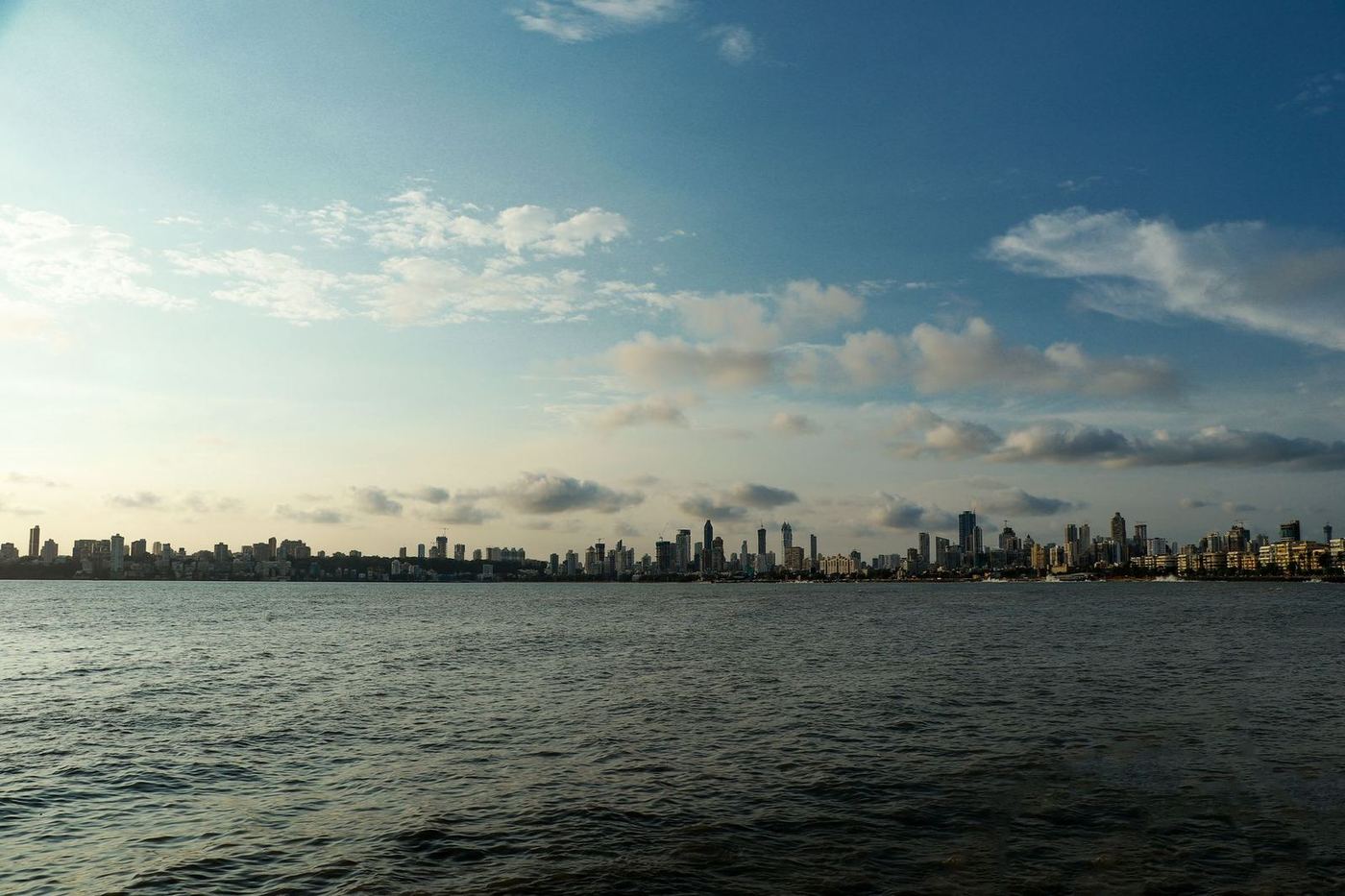
ArchDaily observes that India's urban development is increasingly driven by the economic value assigned to water and the land surrounding it, moving beyond water's traditional roles as a view or a utility. This shift is evident in major cities, where land and infrastructure near water bodies are financed as economic assets.
Mumbai exemplifies this trend with its extensive coastal reclamation projects. The southern section of the Mumbai Coastal Road, spanning 10.6 kilometers, has created approximately 111 hectares of new land for roads, bridges, interchanges, and public amenities, according to the Municipal Corporation (BMC).
The BMC justified the project citing improved mobility and public benefits, including an anticipated 1.24 square meters of open space per person. While the Bombay High Court initially cancelled coastal clearances in 2019, the Supreme Court stayed this order, allowing construction to proceed.
This large-scale land creation necessitates specific marine and structural materials, influencing procurement for major infrastructure works.
Bengaluru's Evolving Lake Buffer Regulations
Bengaluru's urban expansion highlights how regulatory changes redefine buildable land around water bodies. The city's lakes, originally a connected system of stormwater drains (rajakaluves), were protected by a uniform 30-meter construction buffer.
In 2025, the state proposed an amendment to replace this with size-based buffers: no buffer for the smallest water bodies and a 3-meter buffer for those up to one acre. This bill, returned in late 2025 due to a lack of public and expert consultation, would permit public utility structures within these revised buffers.
An analysis of flood-hit neighborhoods, cited by ArchDaily, confirmed significant encroachment on drains, with one locality observing a water table drop from approximately 100 feet to 600 feet within six years after a lake was removed. This shift impacts land availability and demand for materials mitigating increased runoff.
Data Centers and Invisible Water Demand
In Hyderabad and other major Indian cities, the rapid growth of data centers introduces a distinct challenge due to their substantial, yet often unseen, water consumption. WRI India reported that over half of India's data centers are situated in water-stressed regions, with concentrations in Maharashtra, Tamil Nadu, Karnataka, Telangana, and Uttar Pradesh.
Uttar Pradesh's draft 2026 policy commits to providing uninterrupted water supply to data centers, despite India lacking established disclosure requirements for their water use. A new Microsoft data center is planned for Mekaguda near Hyderabad. Reducing on-site water use can increase electricity demand, shifting water stress to power generation.
This implies a need for water-efficient cooling systems and materials that support sustainable energy infrastructure, particularly where site selection affects water availability for other local uses.
Implications for Asia's Building Materials Sector
These developments in India present concrete implications for building material suppliers and project developers across Asia. Large-scale reclamation, like Mumbai's Coastal Road, drives demand for specialized civil engineering materials, including concrete, aggregates, and erosion control products, requiring suppliers to meet stringent infrastructure specifications.
For projects near water bodies, affected by Bengaluru's buffer zone changes, architects and procurement teams must increasingly consider materials supporting water management, such as permeable paving, sustainable drainage systems, and water-resistant finishes.
The growing demand from data centers in water-stressed areas, exemplified by Uttar Pradesh's 2026 policy, highlights a specific need for advanced cooling technologies and building systems that minimize water usage.
Procurement teams specifying for projects in similar high-growth, water-stressed urban environments across Asia should prioritize hydrological assessments and material choices aligned with evolving local water regulations.
Get The Materials Brief.
The week in materials, projects and sourcing, every Tuesday. Free.