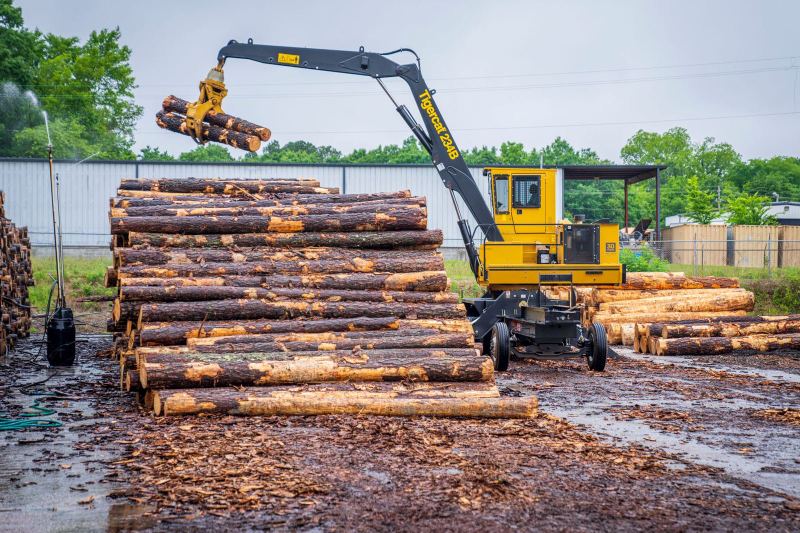
China Softwood Lumber Imports Down 15.7% in Sept 2026, Logs Up
China's raw softwood log shipments increased by 11% to 2.216 million m³ in September, while incoming softwood lumber volume declined to 1.147 million m³.

Softwood Import Trends in September 2026
China's trade data for September 2026 reveals a notable divergence in softwood product imports. The volume of incoming softwood lumber saw a significant decrease, falling by approximately 15.7% compared to the same period last year. This brought the total softwood lumber imports for the month to 1.147 million m³.
Conversely, shipments of raw softwood logs into the country experienced an increase, rising by 11% year-on-year. This upward trend pushed the total volume of softwood log arrivals to 2.216 million m³ for September 2026, indicating a strategic shift in timber procurement.
Declining Softwood Lumber Volumes
The reduction in softwood lumber imports marks a continued trend, with the 15.7% year-on-year decline in September 2026 representing a substantial shift in procurement patterns. This specific product category, which includes processed timber ready for construction or manufacturing, saw its volume drop to 1.147 million m³.
The decrease suggests potential adjustments in domestic demand for finished lumber products or a strategic pivot towards importing raw materials for in-country processing, impacting the flow of finished goods into China's extensive building and interiors markets.
Growth in Raw Softwood Log Shipments
In contrast to the lumber segment, raw softwood log imports demonstrated robust growth in September 2026. The 11% increase in volume, reaching 2.216 million m³, indicates a sustained appetite for unprocessed timber.
This trend could reflect an expansion of China's domestic timber processing capabilities or a preference for sourcing raw logs to benefit from local value-added manufacturing processes before distribution to various construction and furniture sectors. This strategic focus on raw material acquisition may influence global log prices and supply dynamics.
Implications for Asia's Timber Supply Chain
This shift in China's import composition has direct implications for suppliers and buyers across Asia. Countries exporting raw softwood logs, such as New Zealand and Australia, may experience sustained or increased demand from Chinese buyers.
Conversely, manufacturers and exporters of finished softwood lumber products could face a more competitive market or reduced order volumes from China.
Procurement teams in Southeast Asia sourcing finished lumber for projects may find pricing and availability influenced by these changing import dynamics, necessitating close monitoring of market conditions for the remainder of 2026.
Get The Materials Brief.
The week in materials, projects and sourcing, every Tuesday. Free.