Mozambique Reforestation Goal Missed: Only 58,000 Hectares Restored
Uncontrolled fires destroyed 70% of replanted areas in key regions, hindering efforts to meet the 1 million hectare target by 2030 and impacting future timber availability.
Reforestation Efforts Lagging in Mozambique
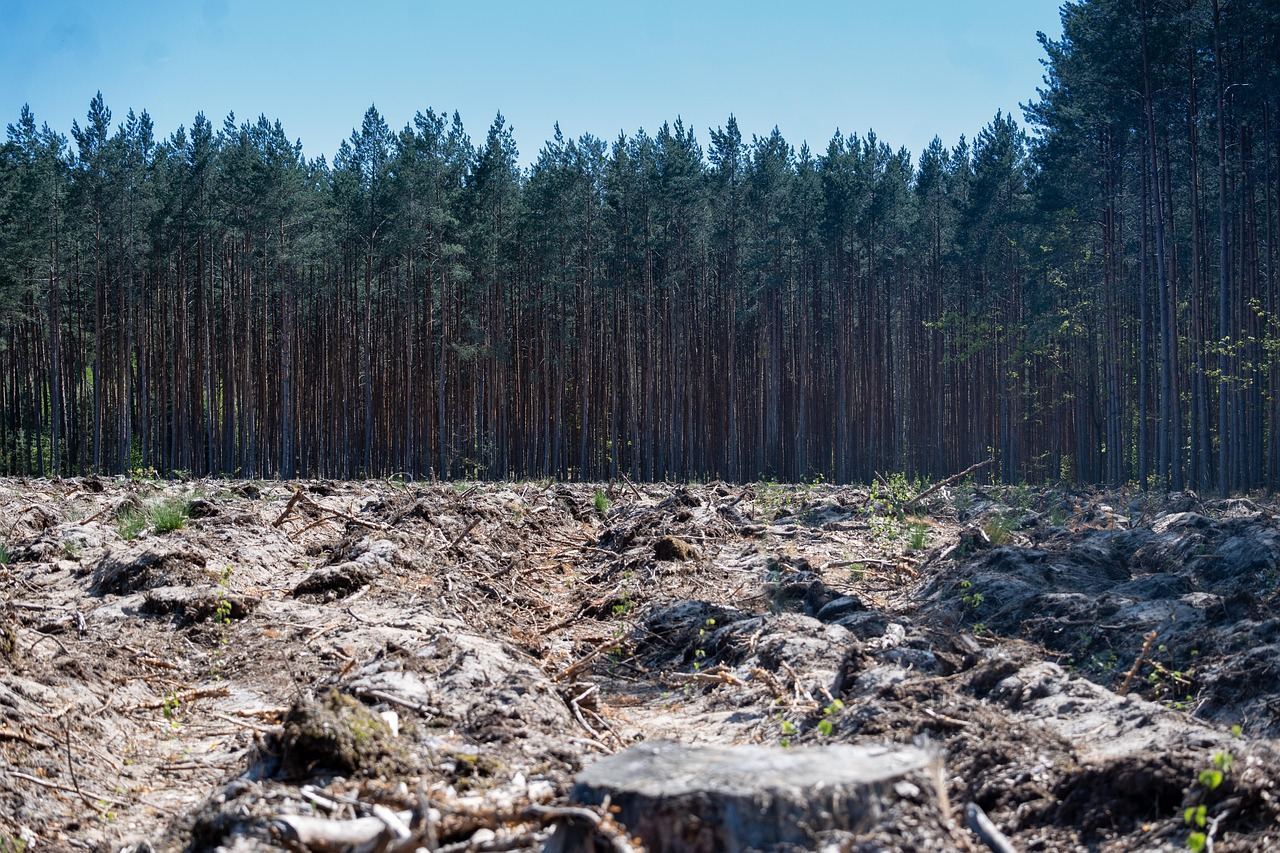
Mozambique, which loses an estimated 267,000 hectares of forest annually, set an ambitious national goal a decade ago to reforest 1 million hectares by 2030. This initiative included a 2025 annual target to restore 52,000 hectares through 2029, backed by a budget of 105 billion meticais (approximately US$1.65 billion).
However, data compiled by Sá Nogueira Lisboa, a forestry professor at Eduardo Mondlane University, indicates that only 58,000 hectares have been reforested to date. This total includes tree plantations established prior to the million-hectare target, highlighting a significant shortfall against the country's restoration objectives.
Fires Destroy Replanted Areas, Monitoring Inadequate
A primary obstacle to reforestation success is the prevalence of uncontrolled fires, which have severely damaged replanted zones. In central Mozambique's Tónduè Forest, for example, 70% of trees replanted across a 10-hectare area were destroyed by fires that broke out just one year after planting.
Uilson Malango, a technician with the Mocuba District Service for Economic Activities (SDAE), observed surviving saplings with charred stems, remaining stunted at 30 centimeters (1 foot) after three years, compared to unaffected trees reaching 5 meters (16 feet) in the same period.
Monitoring efforts in Zambézia province, a critical forest region, are also insufficient, with sites receiving an average of only one visit per year, which officials deem ineffective for plant growth.
Deforestation Pressures Persist in Key Provinces
The provinces of Nampula, Zambézia, and Manica experience the highest rates of forest loss in Mozambique. Zambézia province alone recorded a cumulative forest loss of 1.26 million hectares between 2000 and 2024, representing approximately 19% of its total forested area, according to the Provincial Directorate of Territorial Development and Environment (DPDTA).
While recent DPDTA figures show a decline in annual forest loss in Zambézia—from 65,600 hectares in 2021 to 46,800 hectares in 2022 and 42,200 hectares in 2023—the underlying causes of fires, such as land clearing for farming and housing, along with hunting, continue to exert pressure on woodlands like the miombo ecosystem, which covers nearly two-thirds of Mozambique's forested land.
Implications for Timber Sourcing and Sustainability
Mozambique's struggle to meet its reforestation targets and protect existing woodlands has direct implications for the long-term supply of native timber species, including chanfuta (Afzelia quanzensis), mbaua (Khaya anthotheca), umbila (Pterocarpus angolensis), and murroto (Cordyla africana).
For procurement teams in Asia sourcing timber from African markets, these challenges signal potential future supply constraints and increased pressure for verifiable sustainable sourcing practices.
Buyers should anticipate heightened scrutiny on the origin and legality of timber imports, potentially requiring more robust documentation and certifications to ensure compliance with evolving global environmental standards. This trend may encourage a shift towards suppliers with proven forest management and traceability systems.
Get The Materials Brief.
The week in materials, projects and sourcing, every Tuesday. Free.