South Sumatra Wildfires Slash Rubber Yields by Over 60%
The blazes in Indonesia's South Sumatra have reduced weekly latex output from 80 kg to 30 kg for some growers, with replanting requiring a five-year recovery period before new production.
Rubber Production Halved in South Sumatra
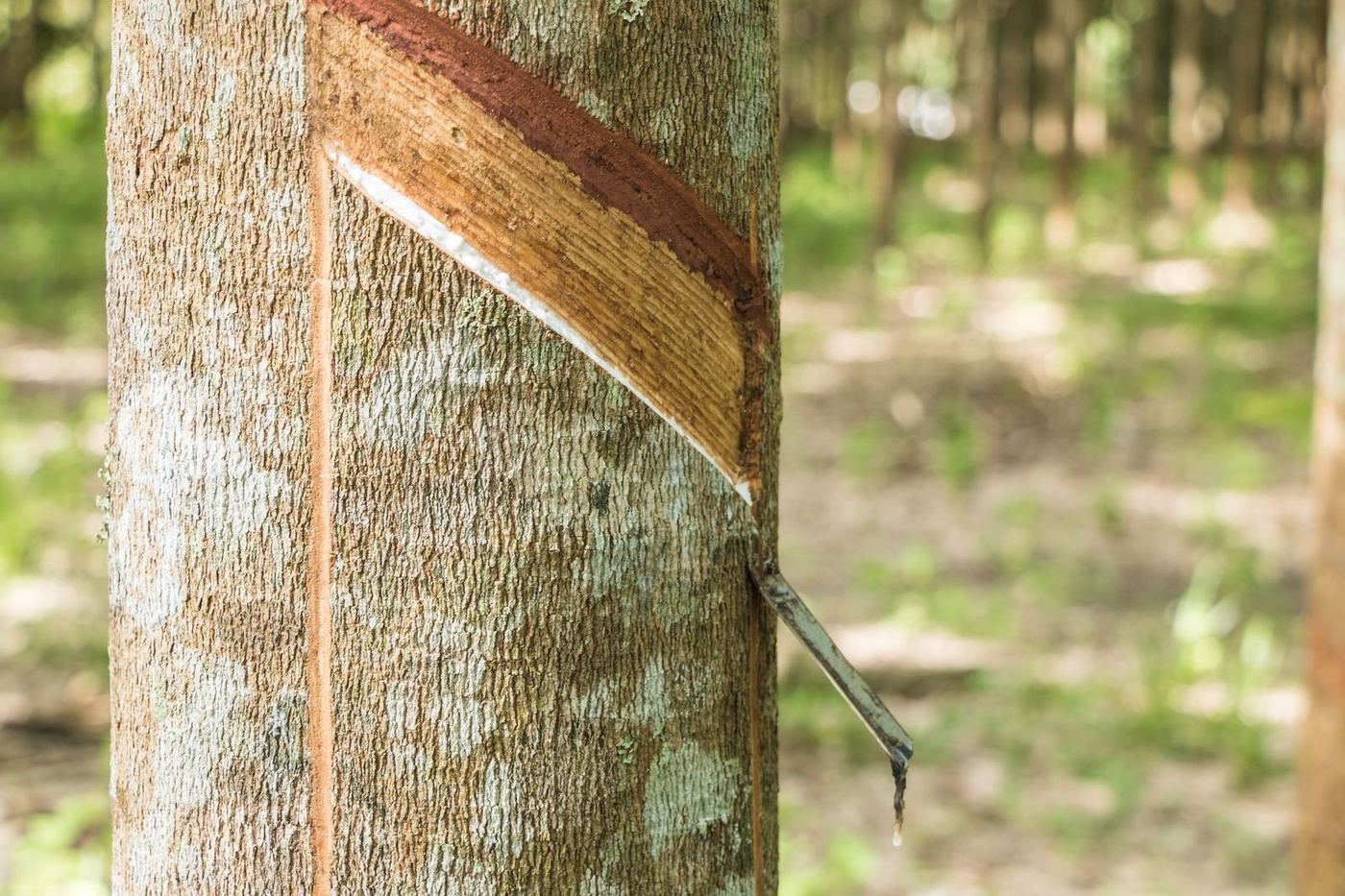
Wildfires in Indonesia's South Sumatra province have severely impacted rubber latex production, with some growers in the Tempirai customary zone reporting a significant drop in yields. Weekly latex output has plummeted from approximately 80 kilograms to just 30 kilograms, representing a decline of over 60 percent.
This reduction directly affects the supply of natural rubber, a crucial raw material for various building materials and FF&E products. The current crisis is exacerbated by a strong El Niño weather pattern, which has intensified the dry season across Sumatra and Borneo islands, creating conditions for widespread blazes.
Five-Year Recovery for Destroyed Plantations
The economic damage to smallholder farmers is substantial. For instance, Hendra, a 41-year-old grower, lost his entire 2-hectare rubber smallholding to a wildfire on September 4, incurring losses valued at hundreds of millions of rupiah.
The long-term impact is particularly severe, as replanting destroyed rubber trees means a five-year waiting period before new trees mature enough to produce latex again. Rubber trees are notably vulnerable to fire, which can damage their delicate vascular systems, unlike oil palm trees, which tend to be more resilient.
Local rubber tappers in Tempirai traditionally employ cautious fire management, distinct from practices sometimes associated with other agricultural sectors.
Regional Haze and Broader Crisis
The environmental consequences of these fires extend beyond Indonesia's borders. Smoke and haze from the South Sumatra blazes have spread into neighboring Malaysia and Singapore, prompting health advisories in both countries.
Remote sensing data indicates that Indonesia is likely experiencing its most severe wildfire crisis in years, drawing parallels to the 2015 Southeast Asian wildfire catastrophe.
That event, also fueled by a strong El Niño, resulted in Indonesia's daily carbon dioxide emissions surpassing those of the entire U.S. economy on multiple days and contributed to over 100,000 premature deaths across the region.
Implications for Asia's Materials Supply Chain
Procurement directors, specifiers, and manufacturers across Asia should anticipate potential supply disruptions and price volatility for products reliant on natural rubber.
This includes materials such as rubber flooring, adhesives, sealants, certain types of insulation, and components used in furniture and FF&E. Given the drastic reduction in latex output and the five-year replanting cycle, buyers are advised to review current stock levels, confirm lead times with suppliers, and consider diversifying sourcing strategies.
Evaluating alternative materials or suppliers not dependent on Indonesian rubber may be prudent to mitigate future supply chain risks.
Get The Materials Brief.
The week in materials, projects and sourcing, every Tuesday. Free.