Tropical Forest Heat, Drought to Become Annual Norm by 2043
A new study reveals that extreme conditions seen in 75% of tropical forests in 2023–24 could become typical within two decades, impacting global timber supply.
Future Climate Norms for Tropical Forests
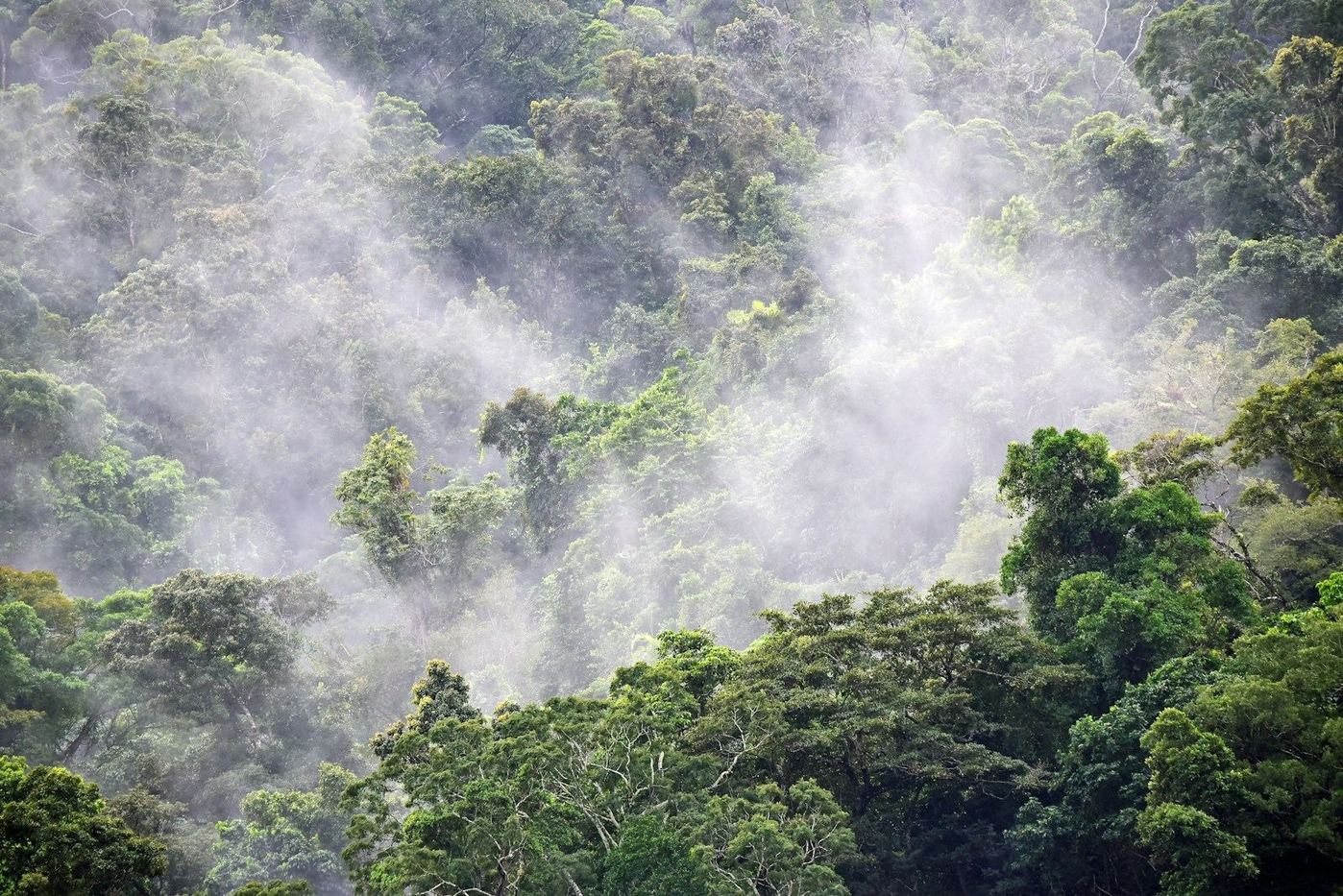
A recent study projects that the severe heat and drought conditions experienced across three-quarters of the world's tropical forests during the 2023–24 El Niño event may become the yearly norm within the next two decades. This outlook holds true even under moderate greenhouse gas emission scenarios and outside of typical El Niño cycles.
Johanna Van Passel, an ecologist at Ghent University and lead author of the research, stated that while the end of the century seems distant, the models indicate these changes are already set for the 2040s. The findings, published in AGU's journal Earth's Future, suggest a significant shift in global climate patterns affecting vital forest ecosystems.
Examining the 2023–24 El Niño's Impact
To understand the full scope of the 2023–24 El Niño, Van Passel's team analyzed 12 datasets covering heat and drought observations over the past 25 years. Their research spanned nearly 16 million square kilometers of tropical forest globally. They found that tropical forests were not only hotter during this period but remained unusually warm for an average of 18 months.
Furthermore, 80% of these forests experienced drier-than-usual conditions, with monthly rainfall deficits ranging from 22 to 56 millimeters over several months. Parts of the Amazon endured an anomalous drought for a full two years, leading to Manaus port in Brazil registering its lowest water levels in over a century of records. Globally, 75% of tropical forests faced simultaneous extreme heat and drought for an average of six months.
Ecological Consequences and Supply Chain Disruptions
The increasing frequency of intense heat and drought poses significant threats to forest health and function. Trees under drought stress close their stomata to conserve water, which also prevents them from absorbing carbon dioxide necessary for survival and carbon sequestration.
Overlapping heat and drought amplify this stress; while trees typically open stomata to cool through evapotranspiration, water scarcity during drought limits this ability. This can lead to widespread tree die-offs and a self-perpetuating cycle where reduced evapotranspiration in one region lessens rainfall in others.
Van Passel highlighted that these conditions could also disrupt trade routes and food sources for communities dependent on tropical forests, as low river levels during 2023–24 isolated some populations.
Implications for Asia's Building Materials Sector
The long-term shift in tropical forest climate norms carries direct implications for the building materials sector, particularly for sourcing timber and wood products.
While projections suggest Asia may experience less frequent drought compared to other regions, the overall increase in heat stress globally will affect the health and productivity of tropical forests, including those in Southeast Asia.
Procurement teams, architects, and interior designers in Asia should assess the resilience of their supply chains for natural timber and wood-based materials.
This may involve exploring certified sustainable sourcing options, diversifying material choices to include alternatives like bamboo or engineered wood, and engaging with suppliers to understand their long-term strategies for material availability and environmental stewardship. Proactive planning can mitigate future supply risks and ensure material continuity for projects across the region.
Get The Materials Brief.
The week in materials, projects and sourcing, every Tuesday. Free.