Indonesia Forms BPGMN Peatland Agency After 2024 Predecessor Closure
The National Peatland and Mangrove Management Agency (BPGMN) was announced September 24, 2026, following the 2024 shuttering of its predecessor, raising questions about its mandate.
New Peatland Management Body Announced
Indonesia's government has established the National Peatland and Mangrove Management Agency (BPGMN), announced by Forestry Minister Raja Juli Antoni on September 24, 2026. This announcement followed a meeting in Jakarta between President Prabowo Subianto and 22 experts.
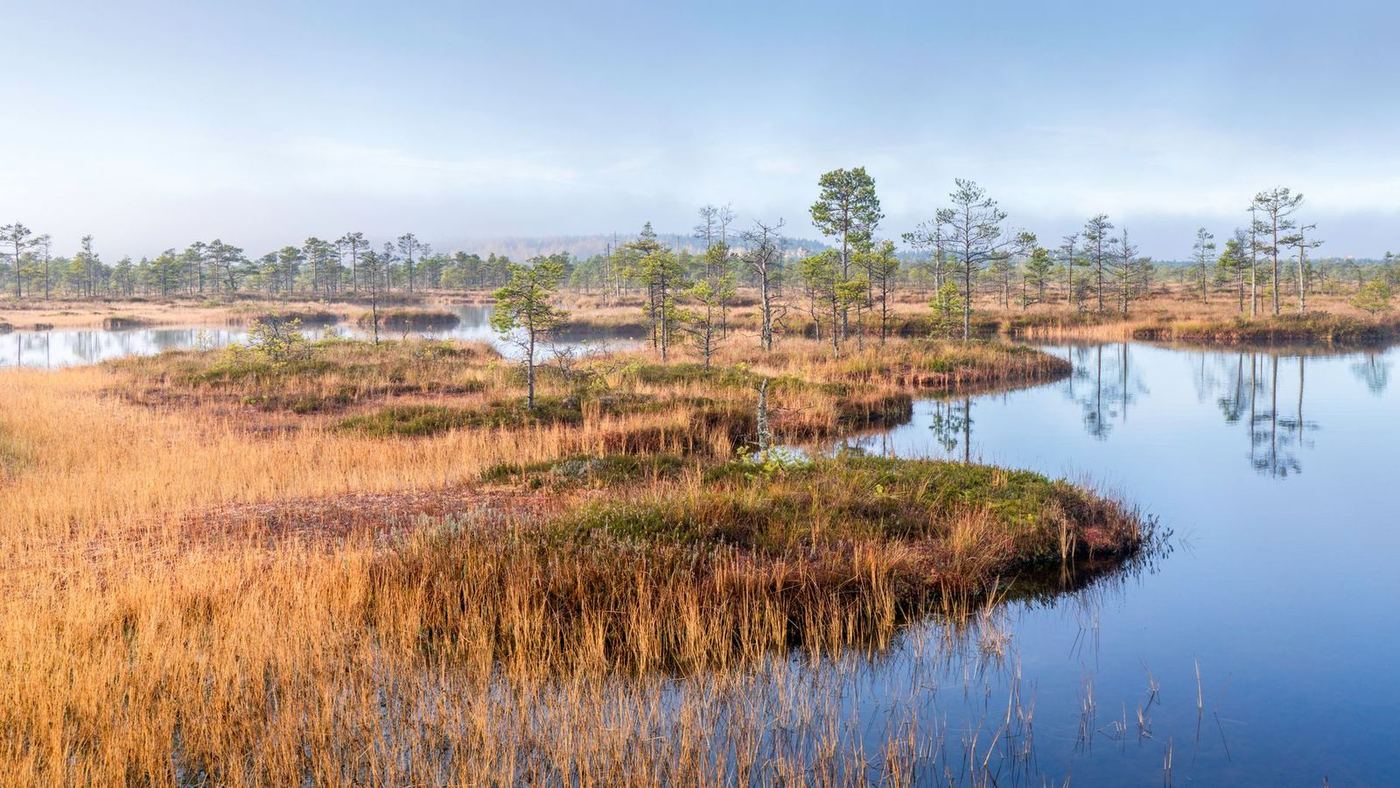
The BPGMN is tasked with restoring and managing peatlands and mangroves, areas prone to severe fires, similar to those experienced in 2015 and again in 2025–2026. This new agency replaces the Peatland and Mangrove Restoration Agency (BRGM), which was originally set up in 2016 but was allowed to expire and shuttered in December 2024.
Like its predecessor, the BPGMN will report directly to the president and be staffed by scientists and professionals, according to Minister Antoni.
Questions Over Agency's Mandate and Authority
The establishment of the BPGMN has prompted questions regarding its effectiveness and what distinguishes it from the previous agency. Uli Arta Siagian, national campaign coordinator for Walhi, Indonesia’s largest environmental advocacy group, stated that the BPGMN must offer more than just a name change.
Siagian pointed to the BRGM’s dissolution in December 2024 after nearly a decade, indicating that institutional changes alone do not guarantee improved governance. Pantau Gambut, an independent peatland watchdog, noted a gap in dedicated peatland restoration efforts since the BRGM’s closure, with responsibilities fragmented across ministries.
The group also highlighted a lack of clarity regarding the BPGMN’s legal framework, specific powers, operational duration, and coordination mechanisms.
Calls for Broader Scope and Fire Prevention
Experts and environmental groups are advocating for the BPGMN to have a broader mandate than its predecessor. Gusti Zakaria Anshari, a tropical peat expert at Tanjungpura University in western Borneo, emphasized the need for the new agency to be responsible for both managing and restoring peatlands and mangroves, rather than solely focusing on restoration.
Indratmo Soekarno, a professor of civil engineering at the Bandung Institute of Technology, urged the government to draw on the BRGM’s prior plans and mapping for peatland management.
Greenpeace Indonesia has also called for immediate action, including expanding moratorium areas, evaluating existing permits, and implementing full peatland forest protection to prevent future fires.
Impact on Timber and Pulpwood Sourcing
The Indonesian government’s approach to peatland management directly impacts the supply chain for building materials, particularly timber and pulpwood, as these lands are often subject to commercial concessions.
Fragmented coordination and an unclear mandate for the BPGMN could lead to continued uncertainty in land use regulations, affecting the long-term stability of raw material sourcing. Asia-based procurement teams for building materials and FF&E should assess their Indonesian suppliers for compliance with evolving environmental regulations.
Future clarity on the BPGMN’s authority and enforcement mechanisms will determine potential shifts in raw material availability, pricing, and the documentation required for sustainable sourcing of wood products from Indonesia.
Get The Materials Brief.
The week in materials, projects and sourcing, every Tuesday. Free.