Dubai, Wujin Biomimetic Projects Demand Specialist Facades
Projects from Dubai to Wujin apply biomimetic design for structural and environmental performance, using materials such as hand-laid hexagonal mosaic tiles and specialized facade systems.
Biomimetic Design Shapes Asian Projects
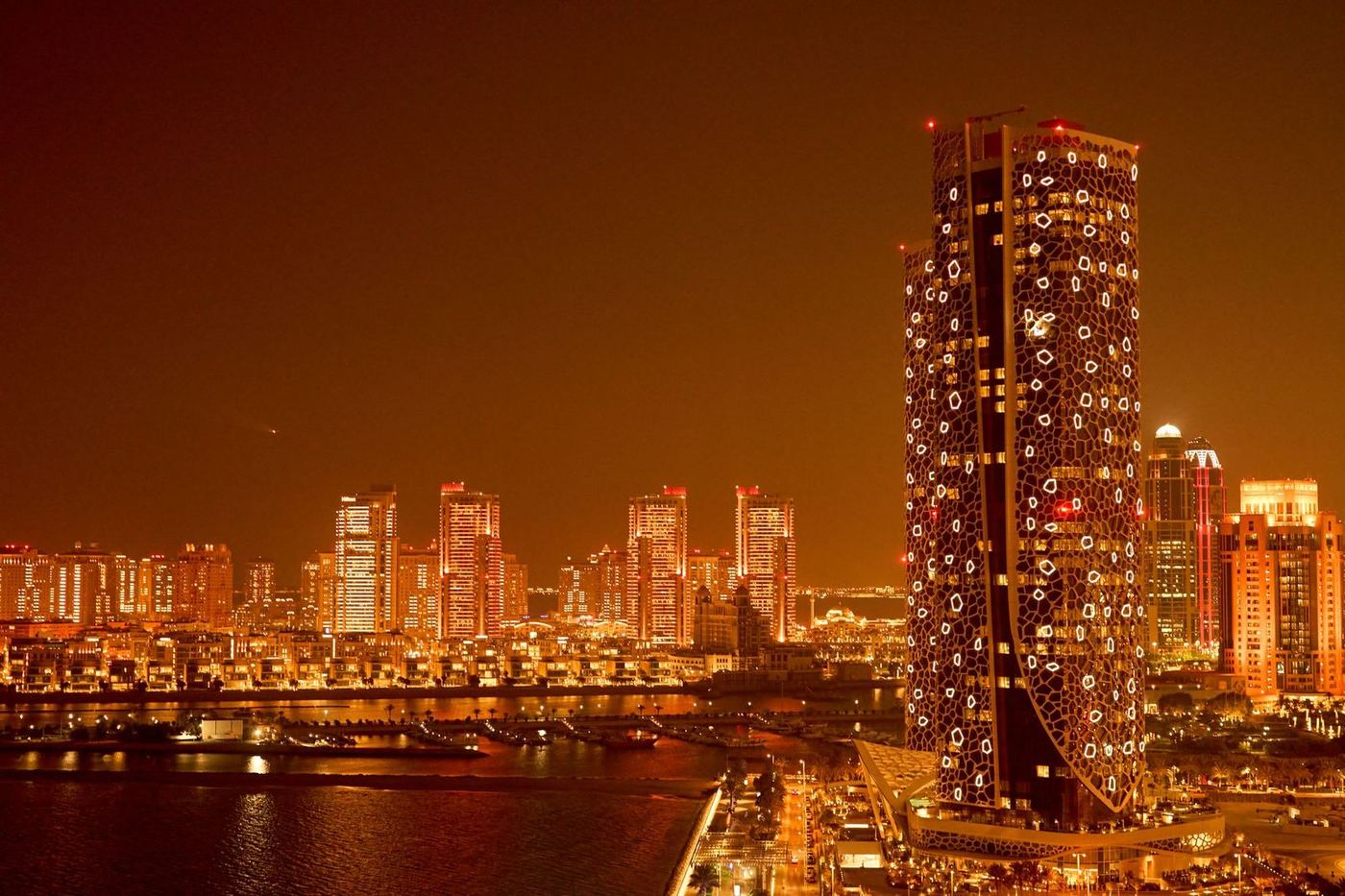
The integration of biomimetic design into large-scale construction projects across Asia shows a trend toward structures that derive functional forms from nature. Dubai's Burj Khalifa, standing at 2,716 feet, exemplifies this approach. Architect Adrian Smith and engineer Bill Baker based the tower's Y-shaped footprint and hexagonal core on the radial symmetry of the spider lily.
This design strategy allows the building to taper as it rises, distributing structural loads and mitigating wind forces efficiently. The tower's form integrates engineering principles with aesthetic considerations, drawing directly from natural geometry for structural stability.
Specialized Materials in Civic and Cultural Spaces
In Wujin, China, the Lotus Conference Center by Melbourne-based Studio505 uses specific materials to achieve its floral aesthetic and performance. Hand-laid hexagonal mosaic tiles, in white, beige, and stainless steel, cover both the interior and exterior, creating a shimmering skin.
This facility, an extension to a subterranean municipal center, houses exhibition halls, meeting rooms, and a planning bureau. For environmental control, the structure incorporates 2,500 geothermal piles beneath an artificial lake for pre-cooling and pre-warming, complemented by evaporative cooling from the water body to drive a thermal chimney.
Similarly, the National Museum of Qatar in Doha, designed by Jean Nouvel, uses interlocking disks inspired by the desert rose mineral formation to create 430,556 square feet of galleries and shaded courtyards.
Diverse Applications and Structural Innovations
Other Asian projects also apply flower-inspired design to diverse building types. The Colombo Lotus Tower in Colombo, Sri Lanka, completed in 2022, ascends 1,168 feet over Beira Lake. Its "tower house" portion, which includes eight floors of hospitality spaces, a revolving restaurant, and an observation deck, resembles a blooming lotus blossom.
Construction for this project began in 2012, and it opened to the public on September 15, 2022. The tower's magenta bloom and green stem contain radio and television transmission facilities, entertainment venues, and a digital art museum.
In Abu Dhabi, the Sheikh Zayed Grand Mosque incorporates botanical patterns specifically in its ornamentation, rather than its overall structural form.
Specifying Materials for Complex Forms
The growing application of biomimetic designs in major Asian construction projects, from Dubai to Wujin, shows increased demand for specialized building materials and fabrication processes.
Procurement teams for upcoming projects should prepare to source custom-fabricated facade components, advanced composite panels, and specific tile systems capable of realizing complex, non-linear geometries.
Architects and designers will need to collaborate closely with material suppliers and engineers by early 2027 to ensure these materials meet both aesthetic requirements and structural or environmental performance specifications, such as thermal regulation or wind resistance.
For instance, projects requiring integrated cooling solutions, like the Wujin Lotus Conference Center's geothermal system, will need suppliers for large-scale geothermal piling and evaporative cooling infrastructure components.
Get The Materials Brief.
The week in materials, projects and sourcing, every Tuesday. Free.