Takuto Ohta Upcycles 200 Exhibition Yoshino Cedar Logs into 50 Furniture Pieces
Japanese designer Takuto Ohta transformed approximately 200 Yoshino cedar logs, initially used for a temporary exhibition, into 50 functional furniture items. The project, named Log x, took place over two months in Kameari, Tokyo, focusing on material reuse.
Repurposing Exhibition Timber in Tokyo
Japanese designer Takuto Ohta completed a project to convert approximately 200 Yoshino cedar logs into functional furniture. The logs, sourced from Nara Prefecture, were originally used for a temporary exhibition and became available after the installation concluded.
Ohta acquired the entire batch, including timber milled with a kerf intended to reduce cracking during drying, and relocated them to SKWAT in Kameari, Tokyo. This initiative, named Log x, spanned two months and resulted in around 50 distinct furniture pieces.
The project demonstrates a direct approach to material circulation, addressing the afterlife of temporary architectural components.
Iterative Design from Existing Material
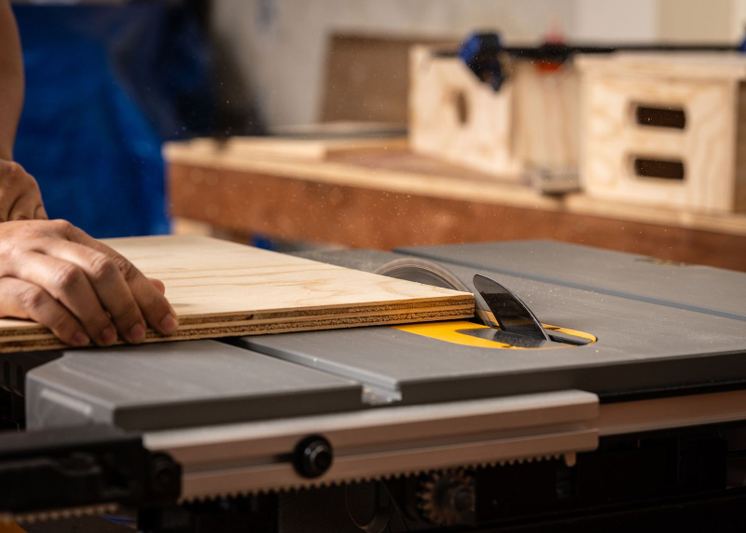
Ohta's design process for Log x involved working directly with the available cedar logs rather than starting with a fixed design catalog. The designer tested various cutting, joining, and assembly techniques on the timber. This hands-on, iterative method allowed forms and construction techniques to evolve through experimentation.
The existing dimensions, kerfs, and natural inconsistencies of the cedar logs became active design parameters, with each new intervention responding to the material's inherent characteristics. The project's name, Log x, reflects this open-ended approach, combining 'Log' for the timber itself and 'x' as a variable for the diverse forms and construction systems developed.
Functional Furniture from Reclaimed Cedar
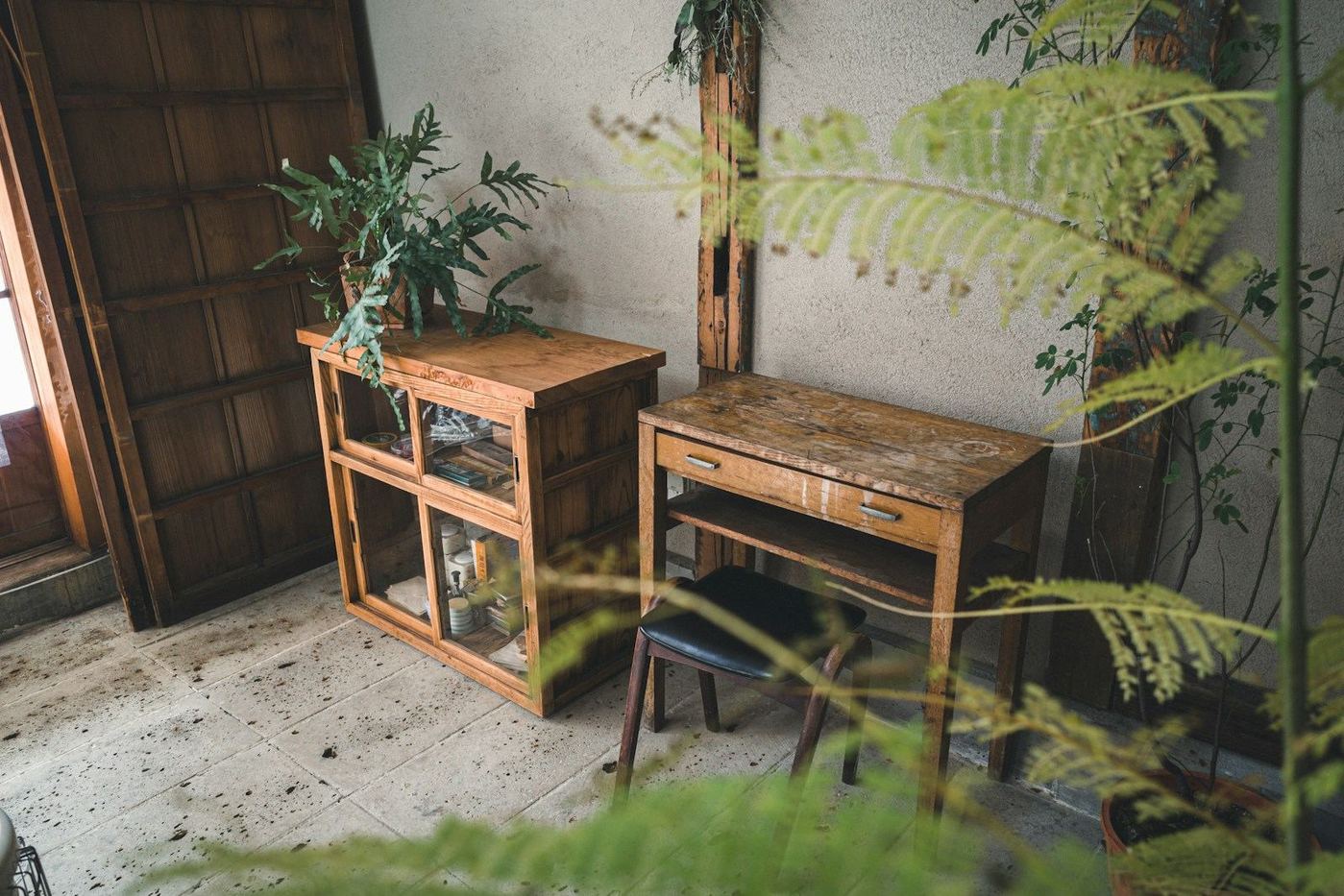
The resulting 50 furniture objects, which include stools, benches, and tables, retain much of the Yoshino cedar logs' original mass and visual character. Ohta introduced only the necessary cuts and connections to transform the timber into functional items, rather than processing the material to achieve uniform elements.
This approach aligns with Ohta's broader interest in 'decomposition' and 'production,' exploring how objects can be broken down, reorganized, and given new uses. The project reveals that materials from temporary structures can enter a new design phase, extending their utility beyond their initial purpose.
Implications for Asian Project Procurement
This project offers a model for material reuse in temporary installations and exhibition design across Asia. Procurement teams for retail, hospitality, or event spaces in the region can consider specifying furniture or interior elements made from reclaimed timber. Designers can explore partnerships with local craftsmen or studios capable of transforming salvaged materials.
This approach allows projects to reduce waste and integrate sustainable material narratives, potentially influencing material sourcing strategies for future temporary and permanent fit-outs in markets like Japan, Singapore, and other Asian hubs with active exhibition and event sectors.
Get The Materials Brief.
The week in materials, projects and sourcing, every Tuesday. Free.