
Taiwan Forestry Institute Transforms Wood Surplus into Incense Cedar Products, Boosts Circular Econo
The Taiwan Forestry Research Institute has developed essential oil, scented powder, and incense cones from surplus Taiwan incense cedar wood. This initiative aims to establish a circular economy for forest resources by repurposing materials typically discarded.
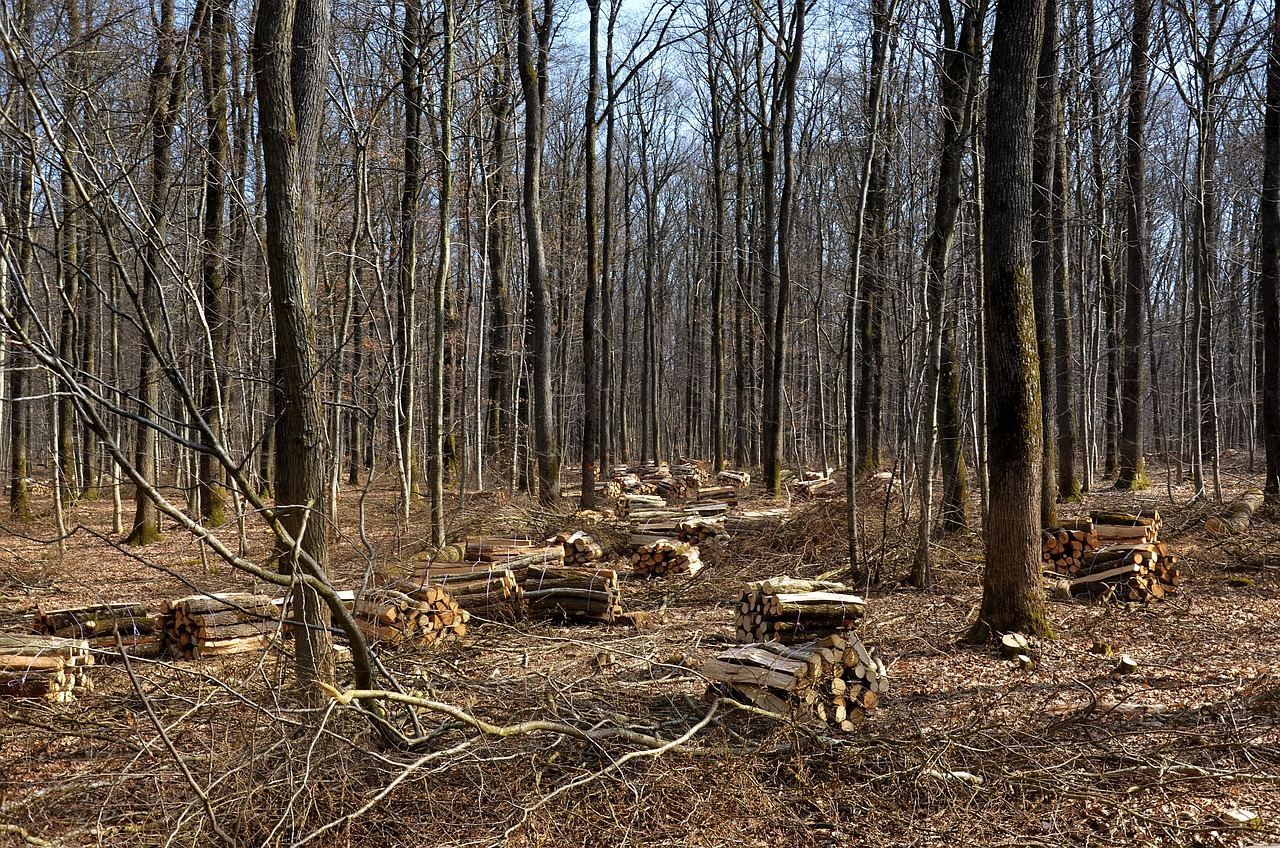
Repurposing Taiwan Incense Cedar Waste
The Taiwan Forestry Research Institute (TFRI) is advancing the full utilization of Taiwan's incense cedar to build a high-value circular economy for forest resources. Taiwan incense cedar is an endemic species, one of the island’s five major coniferous trees. It grows in mountainous areas across northern and central Taiwan, at elevations ranging from 300 meters to 1,900 meters.
The institute reports it is the primary species used for reforestation in warm forests between 500 meters and 1,800 meters above sea level. While consumers value Taiwan incense cedar wood for its distinct aroma, surplus materials generated during forest tending, pruning, and wood processing are typically used as fuel or disposed of.
New Products from Water Distillation
TFRI’s Chiayi Research Centre, operating at the Yunshui Experiment Station, conducted research on reutilizing these surplus materials from last year to this year. The institute applied water distillation, a known extraction technique, to create new products. This method uses high-temperature steam to release volatile aromatic compounds from the plant material.
These compounds are then condensed and separated to obtain natural essential oils. The remaining solid materials are ground into scented powder or formed into incense cones. Water distillation preserves the plant’s aroma and active compounds without requiring organic solvents, aligning with demand for natural, safe, and environmentally friendly products.
Cedar Oil Chemical Properties
Taiwan incense cedar essential oil contains compounds such as ferruginol, alpha-pinene, and limonene. The institute states that ferruginol shows strong antibacterial and antioxidant properties. It can inhibit pathogens associated with skin diseases and tyrosinase, an enzyme involved in skin pigmentation.
These properties suggest potential applications beyond traditional wood products, including formulations for surface treatments, cleaning agents, or even specialized interior finishes where antimicrobial qualities are sought. The development offers a new pathway for utilizing a native Taiwanese resource more completely.
Implications for Asian Sourcing and Specification
For procurement directors and specifiers in Asia, this research reveals new material streams from Taiwan. The availability of Taiwan incense cedar essential oil, scented powder, and incense cones from previously discarded wood waste can open sourcing options for natural, aromatic, and potentially antimicrobial products.
Buyers can inquire about these specific products for use in hospitality FF&E, wellness-focused interiors, or as components in other building material formulations requiring natural scents or antibacterial properties.
This initiative demonstrates a move towards circular material economies that Asian manufacturers and developers can consider when seeking sustainable and regionally sourced inputs.
Get The Materials Brief.
The week in materials, projects and sourcing, every Tuesday. Free.


