Global Sawmills Cut Production Amid Weak Demand, High Costs
Sawmills in Europe and North America are reducing output as construction demand slows and log supplies become more expensive, impacting global timber markets.
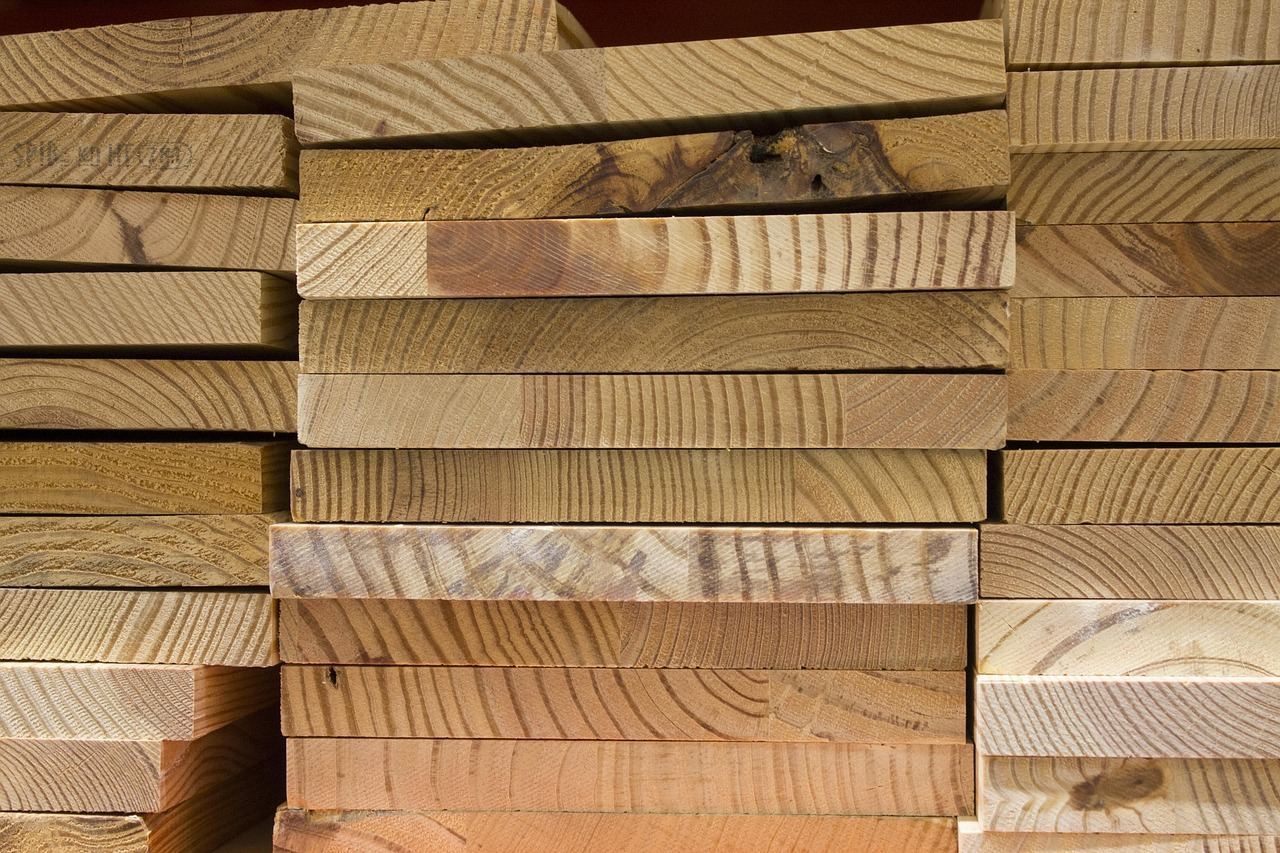
Production Slowdown in Major Markets
Sawmills across Europe and North America are decreasing their production volumes. This reduction is primarily driven by sluggish construction sector demand, which limits sales of timber products. Additionally, mills face increasing challenges in securing affordable log supplies in several key producing regions.
These combined factors contribute to higher overall operating costs for the sawmill industry, forcing adjustments in output to align with current market conditions.
Persistent Trade Barriers and Cost Pressures
While some relief has come from lower Canadian duties on certain timber products, trade barriers for lumber remain substantial across international markets. Mills are grappling with a dual challenge: customers are reluctant to commit to large purchases, while the cost of raw logs continues to climb.
Furthermore, rising operational expenses and uncertainty surrounding access to various export markets add significant pressure, complicating strategic planning for producers.
Uneven International Demand and Regional Impacts
The global wood industry is currently seeing little support from a broad recovery in international demand. China's import patterns are inconsistent, reflecting an uneven market, and exporters in New Zealand continue to face sustained market pressure. To prevent inventories from accumulating, sawmills are reducing shifts and production.
However, this strategy means that fixed costs, including labor, maintenance, and financing, are spread across fewer cubic meters of output, potentially impacting overall profitability.
Implications for Asian Timber Buyers and Specifiers
Asian procurement teams specifying European or North American timber products may encounter altered lead times or price adjustments reflecting the reduced production capacity. The inconsistent demand from China and pressure on New Zealand exporters suggest that regional timber prices could remain volatile.
Buyers should confirm current stock levels and delivery schedules with their suppliers for lumber, plywood, and other wood-based panels, especially when sourcing from these affected regions. Specifiers should factor in potential supply chain shifts when planning projects that rely on imported timber.
Get The Materials Brief.
The week in materials, projects and sourcing, every Tuesday. Free.