Singapore Targets 20 Pulpwood, Palm Oil Firms Over Haze Law
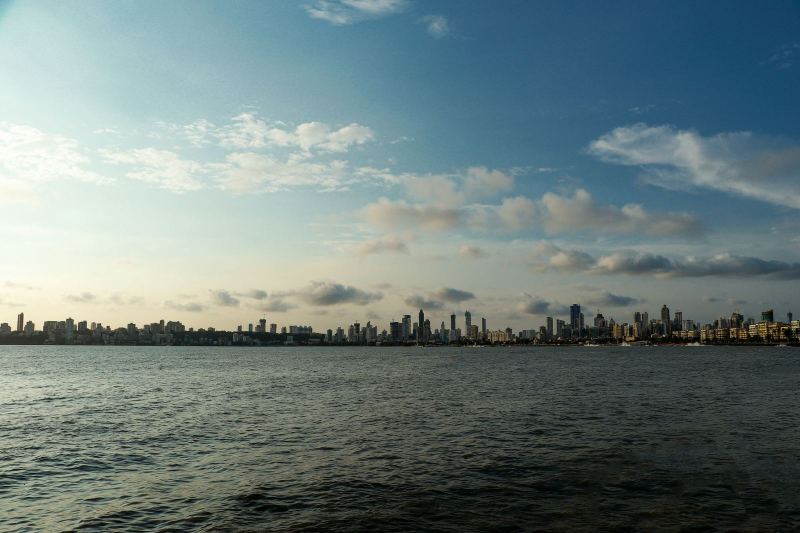
Singaporean authorities issued notices to 20 companies, including major pulpwood and palm oil players, as the city-state experiences its longest period of unhealthy air since 2015, prompting calls for greater supply chain transparency.
Notices Issued to Indonesian and Singaporean Entities
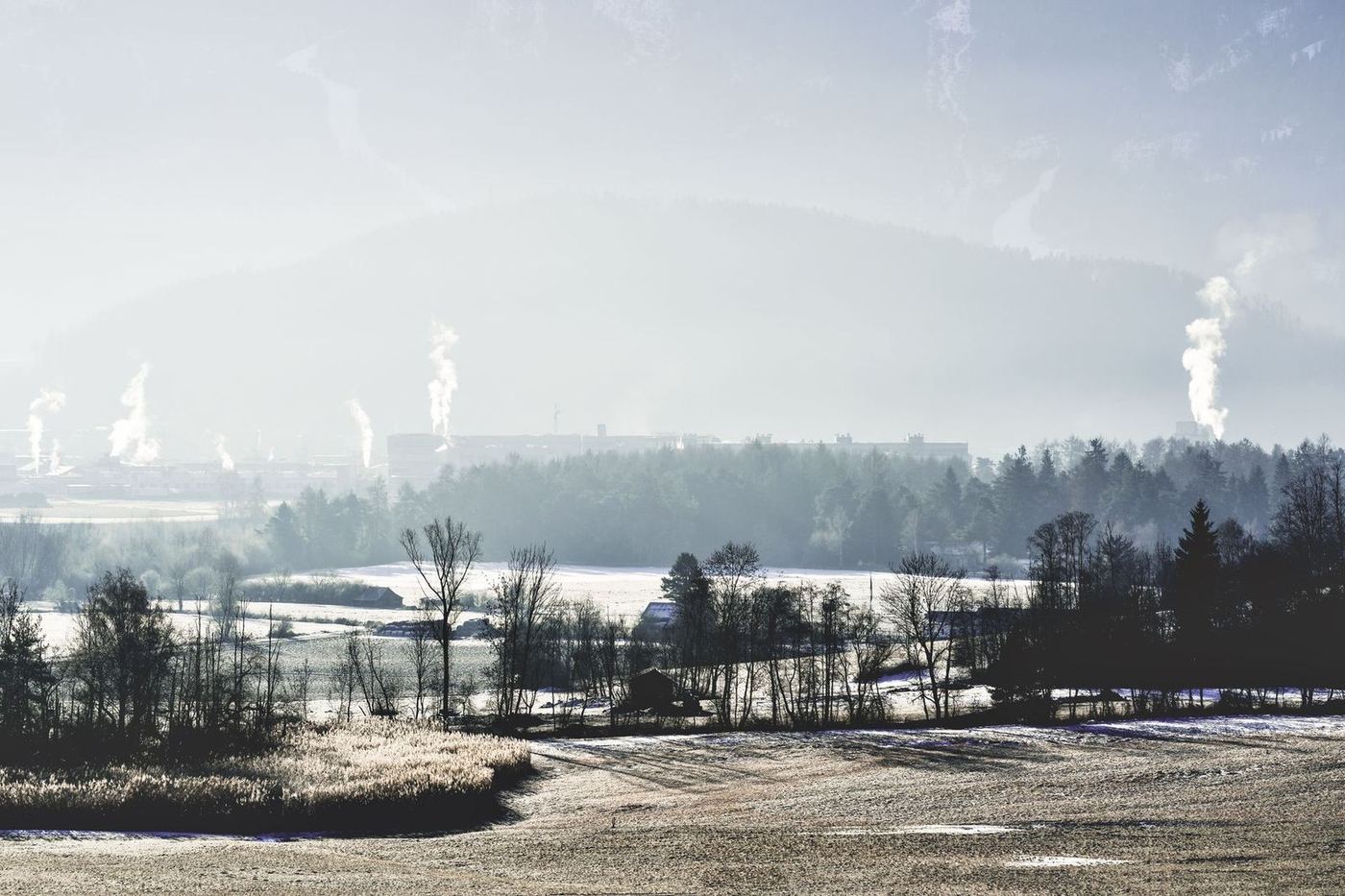
Singapore has issued notices to 20 firms linked to fires in Indonesia, following the city-state's most prolonged stretch of unhealthy air quality since the 2015 Southeast Asian haze crisis. Half of these notices were directed at concession holders in Sumatra and Kalimantan, where the fires originated.
The remaining ten notices were sent to Singapore-based entities with reported ties to these Indonesian operations. The action comes as Singapore's Transboundary Haze Pollution Act (THPA), enacted in 2014 to penalize companies causing cross-border air pollution, faces scrutiny for not yet resulting in any charges or penalties despite several major haze episodes.
Firms Named in Investigations and Information Requests
Among the ten Indonesian plantation companies identified are PT Bumi Andalas Permai, PT Bumi Mekar Hijau, PT SBA Wood Industries, and PT Buana Megatama Jaya, all associated with the Asia Pulp & Paper (APP) conglomerate. Singaporean authorities have maintained separate investigations against the first three since 2015, with no public outcomes to date.
Additional Indonesian firms issued notices to extinguish fires include PT Paramitra Mulia Langgeng, PT Sumatera Alam Anugerah, PT Hutan Lestari Raya, PT Bangkanesia, PT Mananjung Hayak, and PT Baratama Putra Perkasa. Singapore's National Environmental Agency (NEA) has also requested information from ten Singapore-registered companies regarding their links to the fires.
These include APP's Singapore-headquartered operations, Singapore-listed First Resources and Bumitama Agri, privately held First Borneo Plantations, APP’s Chinese subsidiary Golden Agri International, Indofood Agri, Kencana Agri, TSH Global Plantation, TSH Oversea, and Wilmar International.
Regulatory Scrutiny and Potential Economic Measures
On October 18, the Singapore Environment Council temporarily restricted APP’s green label, a measure that could lead to its products being removed from retail shelves, mirroring actions taken in 2015.
Senior Minister K Shanmugam stated on October 19 that the government intends to investigate the owners, buyers, and financiers of the named concession holders, regardless of their presence in Singapore. The Ministry of Law has established a specialist panel of legal, audit, and investigative firms to assist in its probe.
Mr. Shanmugam highlighted that agencies are considering legal, regulatory, and economic measures against these companies, emphasizing that corporate structures will not allow firms to evade responsibility for actions in Indonesia impacting Singapore.
Implications for Materials Sourcing and Certification
The ongoing enforcement actions and investigations underscore the need for greater transparency within pulpwood and palm oil supply chains, which are critical for various building materials and FF&E products.
While the THPA allows for fines up to 100,000 Singapore dollars daily, capped at 2 million Singapore dollars, the lack of past prosecutions suggests a complex enforcement environment.
Buyers and specifiers of wood-based products, such as timber, plywood, and paper-based finishes, as well as palm oil derivatives used in coatings or adhesives, should increase due diligence on their suppliers.
Confirming ethical sourcing and environmental certifications directly with manufacturers and ensuring supply chain visibility will be crucial to mitigate risks associated with transboundary haze regulations.
Get The Materials Brief.
The week in materials, projects and sourcing, every Tuesday. Free.