Nepal Glacier Collapse Destroys Roads, Bridges, Hydropower
A Himalayan glacier collapse on August 26, 2026, triggered flash floods along the Trishuli River in Nepal. The event destroyed 40 km of roads, dozens of bridges, and critical hydropower infrastructure in the Rasuwa and Nuwakot districts, prompting urgent calls for rebuilding and relief supplies.
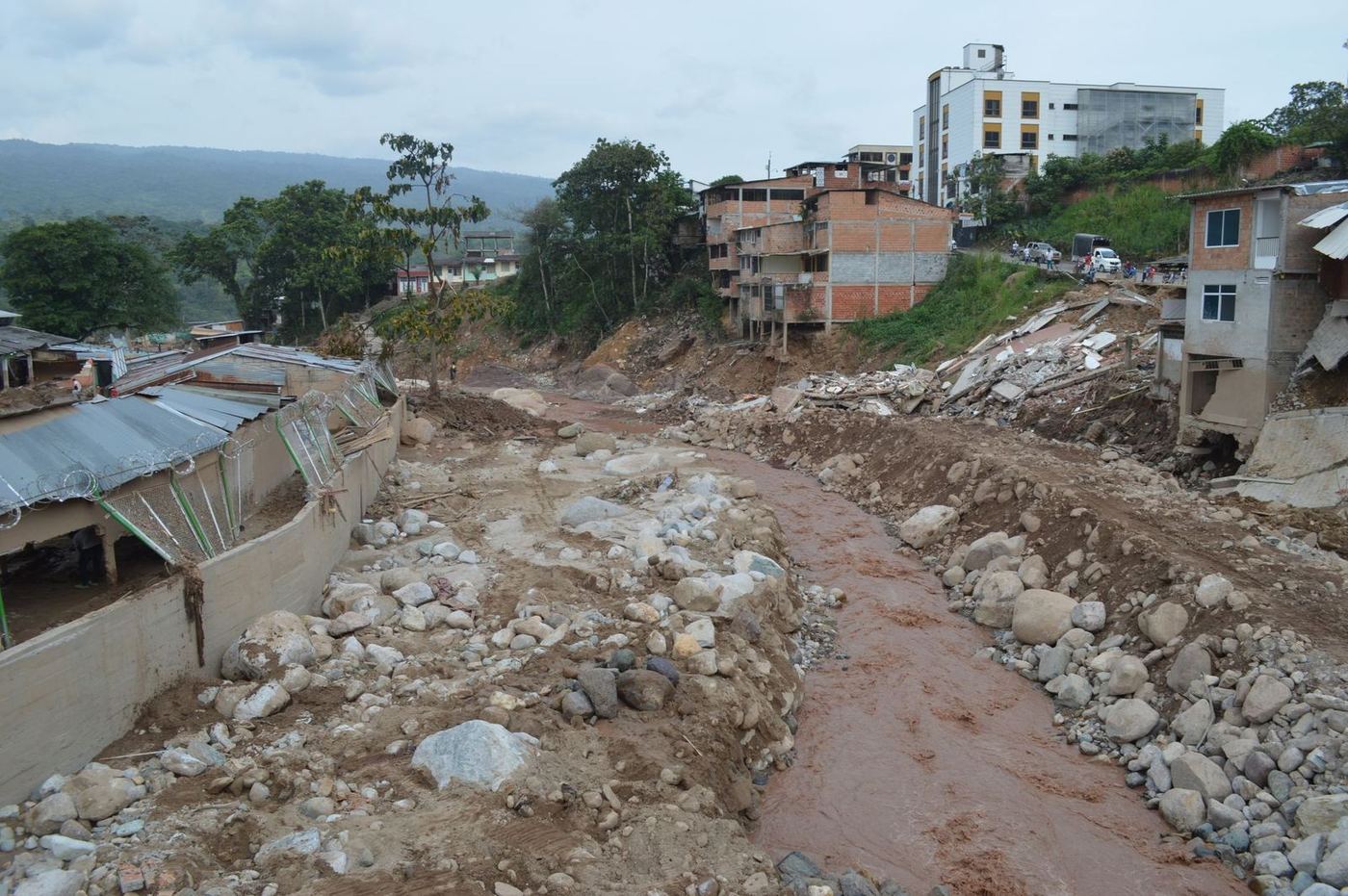
Infrastructure Damage in Nepal
A lower section of a Himalayan glacier collapsed on August 26, 2026, causing an ice and rock avalanche down the Lhende River valley. This triggered severe flash floods along the Trishuli River basin on the Nepal-Tibet border. The floods destroyed 40 km of roads, dozens of bridges, and critical hydropower facilities.
Settlements in the Gyirong port area were also swept away or damaged. The International Centre for Integrated Mountain Development reported that the ice-rock avalanche pushed debris into the Lhende Khola River, raising downstream water levels by up to 9 meters within 30 minutes.
Affected Regions and Immediate Needs
The International Federation of Red Cross identified Nepal's Rasuwa and Nuwakot districts as the most affected areas. The event resulted in at least 350 confirmed deaths and more than 1,300 people remain missing. With bridges destroyed and major roads cut off, the full extent of the damage is still under assessment.
Emergency response efforts require immediate mobility and infrastructure solutions to reach isolated areas, particularly in Rasuwa. Additional urgent needs include emergency shelter, safe drinking water, and basic relief items for the affected populations.
Glacial Collapse and Climate Concerns
The event was initially registered as a 5.2-magnitude earthquake. However, satellite imagery later confirmed the detachment of a glacier's lower part in the Himalayas, ruling out an earthquake as the cause. This incident is similar to a rock and ice avalanche that occurred in India's Uttarakhand region in 2021.
Research shows that global warming destabilizes high-mountain rock and ice, increasing the likelihood of such events. An unusual heat wave, with ground temperatures reaching a two-year high, hit the region two days before the collapse, potentially triggering the melting and detachment of bedrock.
Reconstruction Material Requirements
The destruction of roads, bridges, and hydropower facilities in Nepal's Rasuwa and Nuwakot districts creates an immediate demand for construction materials for rebuilding. Procurement directors and specifiers should anticipate requirements for aggregates, cement, and steel for new road sections and bridge structures.
Prefabricated bridge components may offer faster installation for restoring critical connectivity. The need for resilient infrastructure design in mountainous regions will also drive demand for materials and construction methods that withstand extreme environmental conditions. Asian suppliers of these core building materials should note the potential for increased demand in the region.
Get The Materials Brief.
The week in materials, projects and sourcing, every Tuesday. Free.