Japan Boosts Domestic Sugi Timber Use Amid Spruce Supply Shortages
Japan's wood self-sufficiency reached 42.5% in 2024, up from 18.8% in 2002, driven by government initiatives and reduced imports of European spruce.
Japan Expands Domestic Timber Sourcing
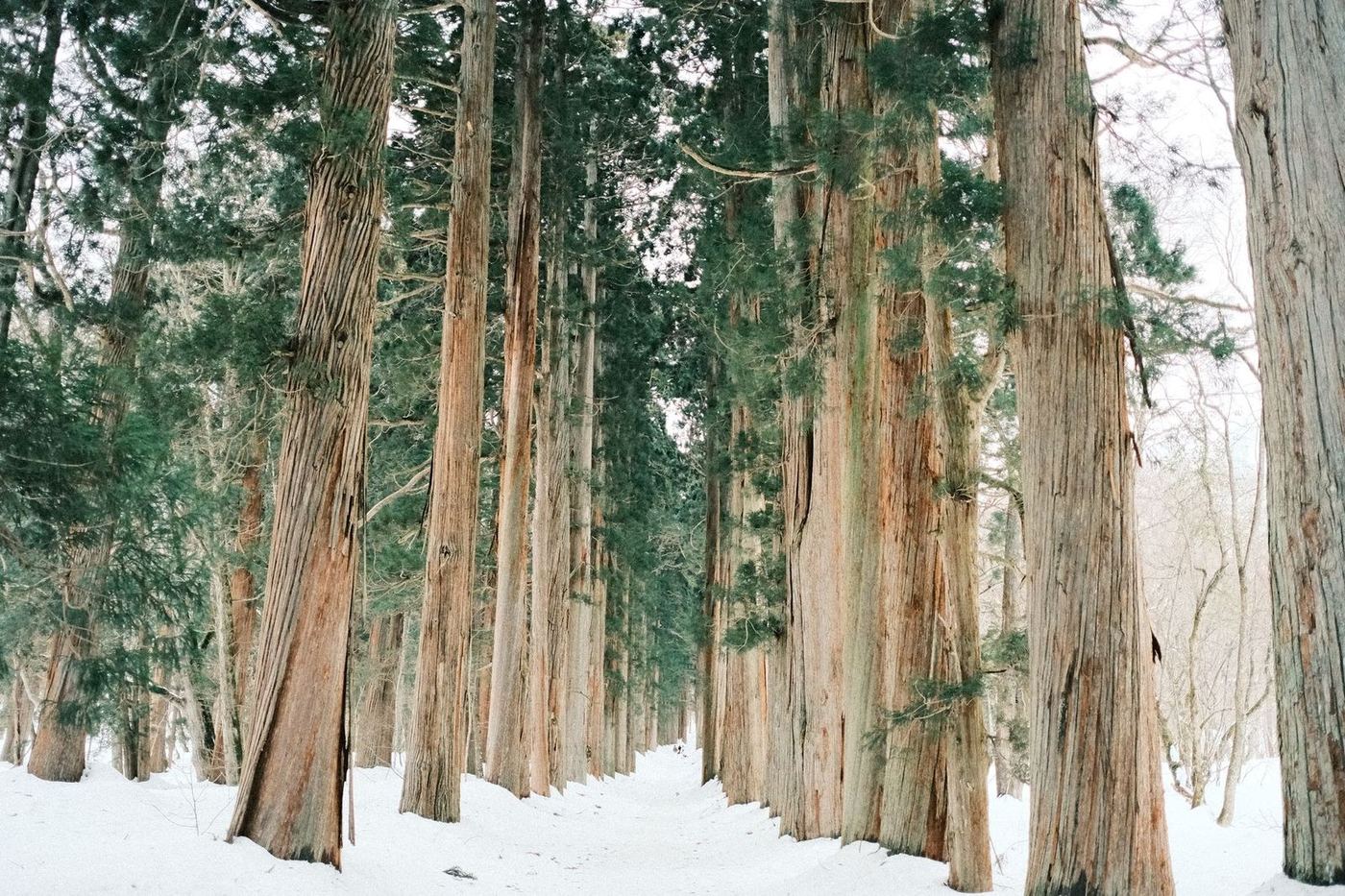
Japan's construction sector is significantly increasing its reliance on domestically sourced timber, particularly sugi (Japanese cedar), a trend reinforced by government policies, maturing forest resources, and rising import costs. According to government data, the country's wood self-sufficiency rate more than doubled, climbing from 18.8% in 2002 to 42.5% in 2024.
The latest Forest and Forestry Basic Plan targets a further increase to 49% self-sufficiency, aiming for 42 million cubic meters of domestic wood consumption by 2035, up from the current 35 million cubic meters.
Bumpei Nishishita, president of Japanese wood products company Kyoei Lumber, stated that this shift toward domestic species represents a long-term structural change in the market.
Spruce Supply Declines and Sugi's Role
The push for domestic timber has been accelerated by recent challenges in the import market. Since late last year, spruce availability from Scandinavia and Eastern Europe has decreased due to disease infestations and severe storms.
This supply constraint was compounded by the closure of Vida’s Urshult and Orrefors sawmills in Sweden, which removed approximately 260,000 to 265,000 cubic meters of annual lumber production capacity.
The Urshult facility alone produced around 185,000 cubic meters of spruce lumber per year and was a core exporter to Japan, according to Fastmarkets Q1 World Timber Price Quarterly. Additionally, the weak yen has continued to inflate the cost of imported wood.
A trader in Germany noted that sugi offers exceptional natural durability, resistance to insects and mold, and a low density of approximately 380 kilograms per cubic meter, making it lightweight and dimensionally stable for cladding and non-structural uses. Nishishita also observed growing interest in sugi for structural applications, including 2x4 construction.
Improving Japan's Timber Supply Chain
Despite the growing interest, market participants indicate that sugi remains a partial substitute for imported spruce, not a direct replacement for high-strength applications due to spruce’s higher density, stiffness, and load-bearing capacity.
Japan possesses significant forest resources, with over 10 million hectares of planted sugi and hinoki (Japanese cypress) forests, about 60% of which are mature enough for harvesting, as noted by the German trader. However, increasing domestic wood consumption requires substantial improvements across the forestry supply chain.
Challenges include labor shortages, fragmented forest ownership, and weak forestry profitability.
Kyoei Lumber’s president Nishishita emphasized the need for a stronger supply chain, encompassing harvesting, sawmilling, kiln drying, quality control, and logistics, particularly to meet the rigorous sub-20% moisture-content standards expected by modern pre-cut housing manufacturers.
Considerations for Specifiers and Buyers
For architects, interior designers, and procurement teams across Asia, the shift in Japan's timber market suggests a growing availability of domestic sugi for specific project types.
While spruce remains preferred for structural framing, studs, and trusses due to its performance characteristics, sugi is becoming a viable option for cladding, non-structural elements, and certain 2x4 construction uses. Buyers should evaluate sugi based on price, quality, drying standards, structural performance, and supply reliability.
Nishishita stressed that domestic origin alone is insufficient for customers to switch materials; the market becomes sustainable when builders choose domestic timber for its competitiveness and ease of use, even without subsidies.
This implies a need to confirm detailed specifications and certifications with suppliers when considering sugi for projects in Japan or as a potential alternative in other Asian markets.
Get The Materials Brief.
The week in materials, projects and sourcing, every Tuesday. Free.