Mumbai's 36% mangrove loss threatens flood resilience
Since 1973, Mumbai has seen over a third of its mangrove ecosystems disappear, highlighting a critical challenge for urban resilience against flooding in India.
Mumbai's Mangrove Decline and Global Protection Value
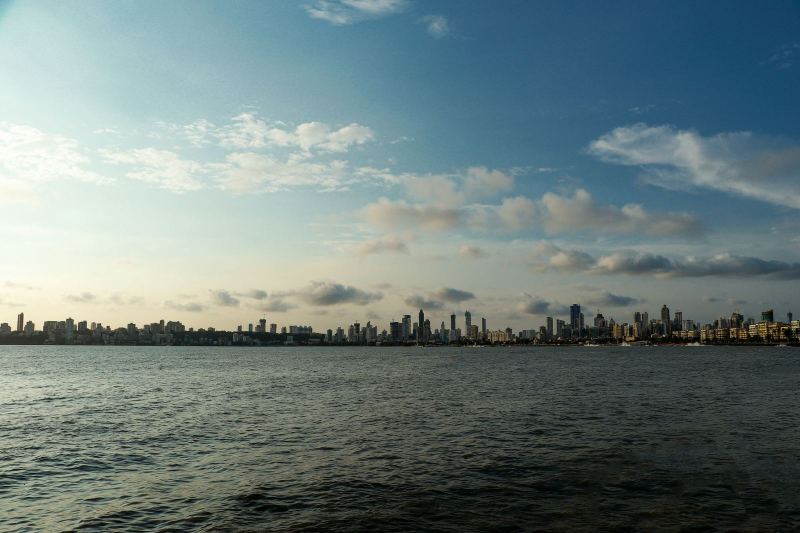
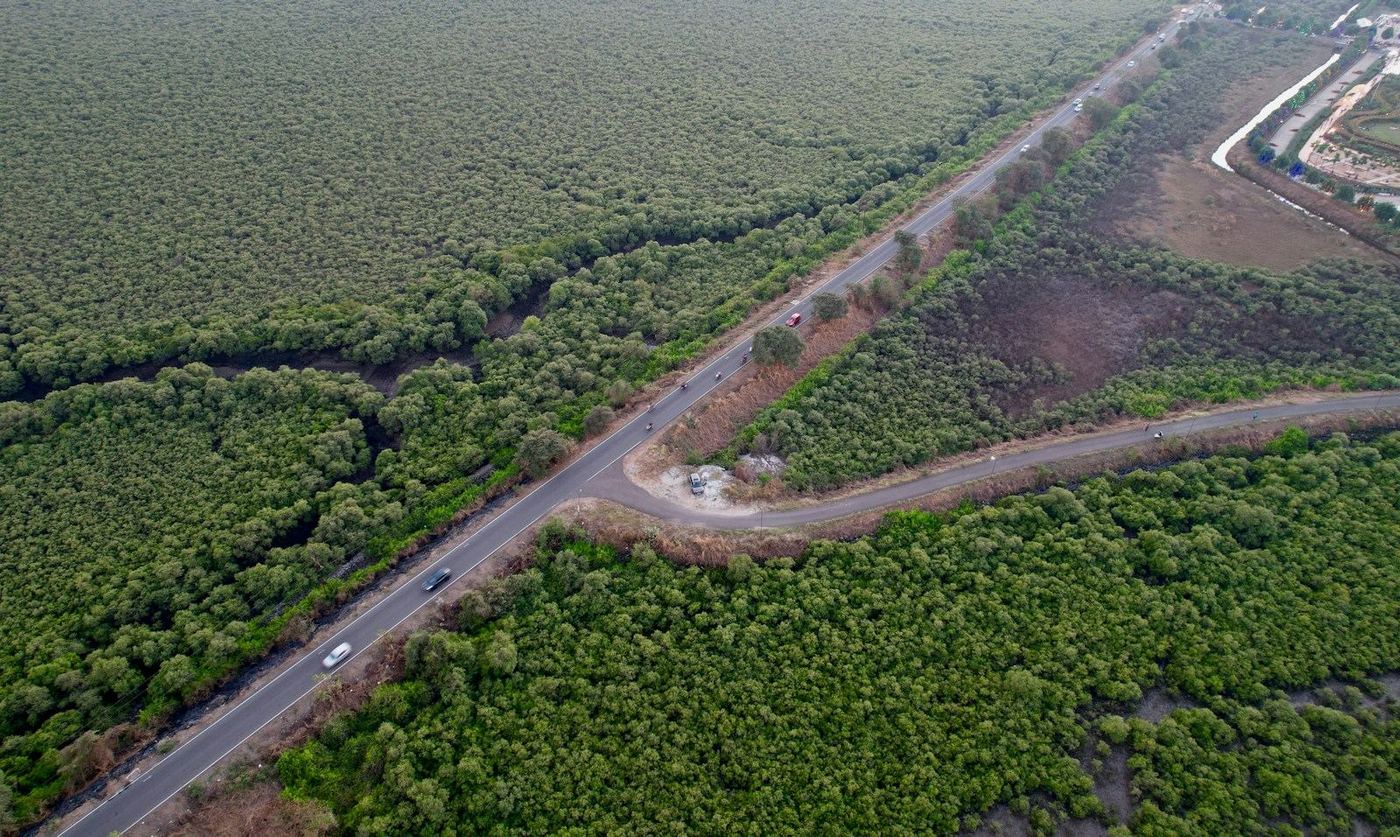
Mumbai has experienced a significant reduction in its mangrove ecosystems, with 36% of the region's total lost to urban development since 1973, according to an analysis by geographer Eric Vaz in 2014.
This decline poses increasing challenges for coastal resilience in India's most populous city, especially when considering the broader economic benefits these natural barriers provide. Globally, existing mangrove forests offer more than US$65 billion in annual flood protection benefits, as estimated by Pelayo Menéndez in 2020.
Without these natural defenses, an additional 15 million people worldwide could face annual flooding, underscoring the critical role mangroves play in safeguarding coastal communities and infrastructure.
How Natural Barriers Reduce Flood Impact
Mangrove forests function as dynamic natural defenses, mitigating flood risks by interacting with water, sediment, and tidal flows. Unlike rigid seawalls, their complex root systems, trunks, and branches create resistance to moving water, significantly reducing flow velocity during storm surges.
A 2019 study modeling Cyclone Sidr along Bangladesh's coast demonstrated these effects: depending on forest width and planting density, flow velocity decreased by 29% to 92%, and surge height dropped by 4 to 16.5 centimeters.
Researchers also identified mangroves' capacity to reduce erosion and protect engineered coastal embankments, suggesting an integrated approach to coastal infrastructure planning that incorporates both natural and built solutions.
Urban Expansion Fuels Mumbai's Mangrove Loss
The conflict between urban expansion and natural coastal protection is particularly evident in Mumbai. The city's growth has often encroached upon creek and estuary edges where mangroves thrive, placing development pressure directly against vital ecosystems.
A 2025 study of Greater Mumbai further mapped this decline, recording a reduction in mangrove cover from 71.8 to 68.99 square kilometers between 1994 and 2024. This loss extends beyond mere vegetation removal; it can disrupt tidal connections and reduce the necessary space for mangrove growth, altering the conditions under which remaining forests operate.
While US$5 million was invested in Mumbai's mangrove restoration programs from 2012 to 2022, research by Adam Shaham on 25 sites using satellite imagery assessed changes in vegetation cover, noting that an increase in mapped greenery does not automatically confirm the restoration of critical tidal flows and sediment processes essential for a fully functional mangrove ecosystem.
Action for Asian Coastal Projects and Materials
For developers, urban planners, and procurement teams engaged in coastal projects across Asia, the situation in Mumbai highlights a critical need for integrated flood defense strategies. Where natural mangrove barriers are diminished, projects must increasingly factor in the specification and cost of engineered solutions.
This includes resilient building materials for seawalls, embankments, and other protective infrastructure, designed to withstand increased surge heights and water velocities. Architects and specifiers should proactively evaluate the flood resilience of materials, such as high-performance concretes, marine-grade metals, and durable composite barriers.
Furthermore, the 2025 study on Greater Mumbai's mangrove decline suggests that future urban planning in coastal areas must prioritize the preservation of existing mangrove belts and tidal channels to reduce the long-term reliance on solely engineered flood protection, thereby influencing material choices and project budgets for decades to come.
Get The Materials Brief.
The week in materials, projects and sourcing, every Tuesday. Free.