1,500 German Forest Owners Seek EUDR Collective Compliance
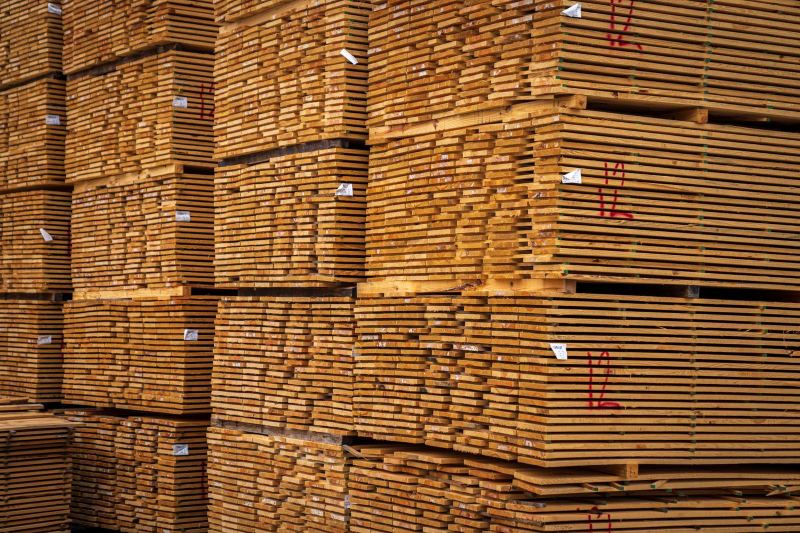
More than 1,500 German forest-owner associations are requesting legal authority to collectively manage European Union Deforestation Regulation requirements, aiming to reduce administrative burdens for their members.
Collective Approach for EUDR Requirements
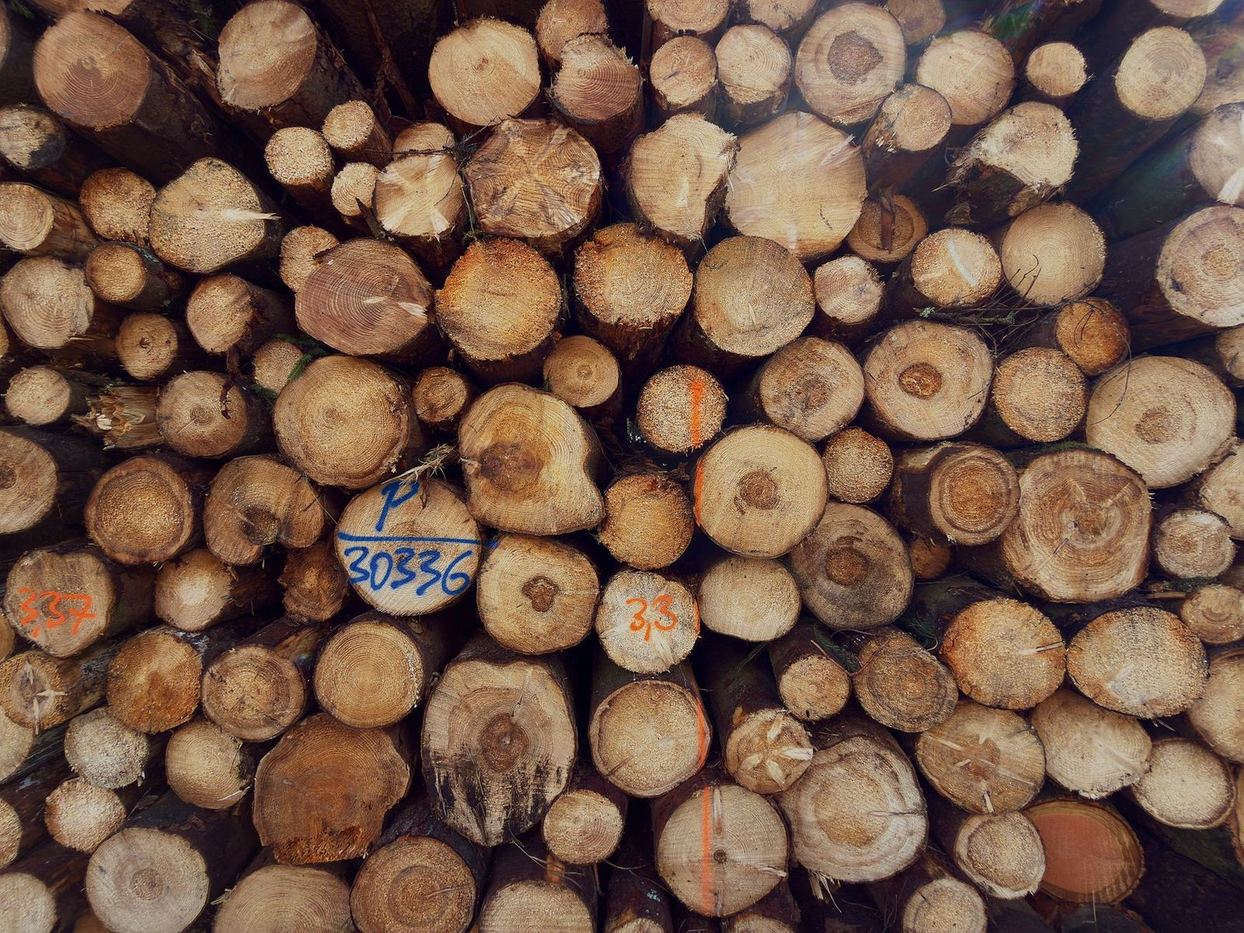
Over 1,500 German forest-owner associations are formally seeking clear legal authority to manage the compliance requirements of the European Union Deforestation Regulation (EUDR) on behalf of their members. This request aims to establish a collective declaration system, centralizing the due diligence process for wood products originating from these forests.
The associations highlight that such a consolidated approach would streamline operations and prevent individual forest owners from being overwhelmed by the administrative tasks mandated by the new regulation.
The initiative reflects a proactive effort to adapt to the EUDR framework while safeguarding the operational efficiency of numerous smaller forest enterprises within Germany.
Reducing Administrative Burden and System Load
The primary argument presented by the German forest-owner organizations centers on mitigating the administrative load associated with EUDR. They contend that requiring each small forest owner to submit individual declarations for every wood transaction would create excessive paperwork and resource demands.
Furthermore, the associations warn that processing thousands of individual wood transaction declarations could overload the European Union’s information system designed for EUDR compliance.
A collective system is proposed as a more efficient solution, protecting small-scale operators from undue administrative pressure while ensuring the smooth functioning of the regulatory framework for timber and wood products entering the market.
Impact of the European Union Deforestation Regulation
The European Union Deforestation Regulation (EUDR) mandates that companies importing or exporting certain commodities, including wood and wood products, into or out of the EU must conduct rigorous due diligence. This process ensures that these products have not contributed to deforestation or forest degradation anywhere in the world after 31 December 2020.
For wood, this means verifying the geographic coordinates of the land where the timber was harvested, alongside other documentation proving legality and sustainability. The regulation aims to combat global deforestation by ensuring that products consumed within the EU are sourced responsibly, placing a significant burden of proof on suppliers throughout the supply chain.
Consequences for Asian Wood Exporters
The challenges faced by German forest owners in implementing EUDR compliance suggest similar, if not greater, complexities for Asian exporters of wood products to the European Union. Manufacturers and suppliers of plywood, timber, and furniture from countries like Vietnam, Indonesia, and Malaysia must prepare for stringent due diligence requirements.
These include obtaining precise geolocation data for harvesting sites, establishing robust traceability systems, and maintaining comprehensive documentation to prove their products are deforestation-free.
This will likely increase compliance costs and potentially impact lead times for shipments destined for European markets from 2027, necessitating investments in supply chain transparency and certification processes.
Get The Materials Brief.
The week in materials, projects and sourcing, every Tuesday. Free.