Protected Areas Face Extractive Overlaps: 104 Million Hectares at Risk
A new Earth Insight report, released earlier this month, reveals 61.5 million hectares of protected land overlap with oil and gas blocks, and 42.7 million hectares with mining concessions, challenging global conservation goals.
Global Conservation Targets Under Pressure
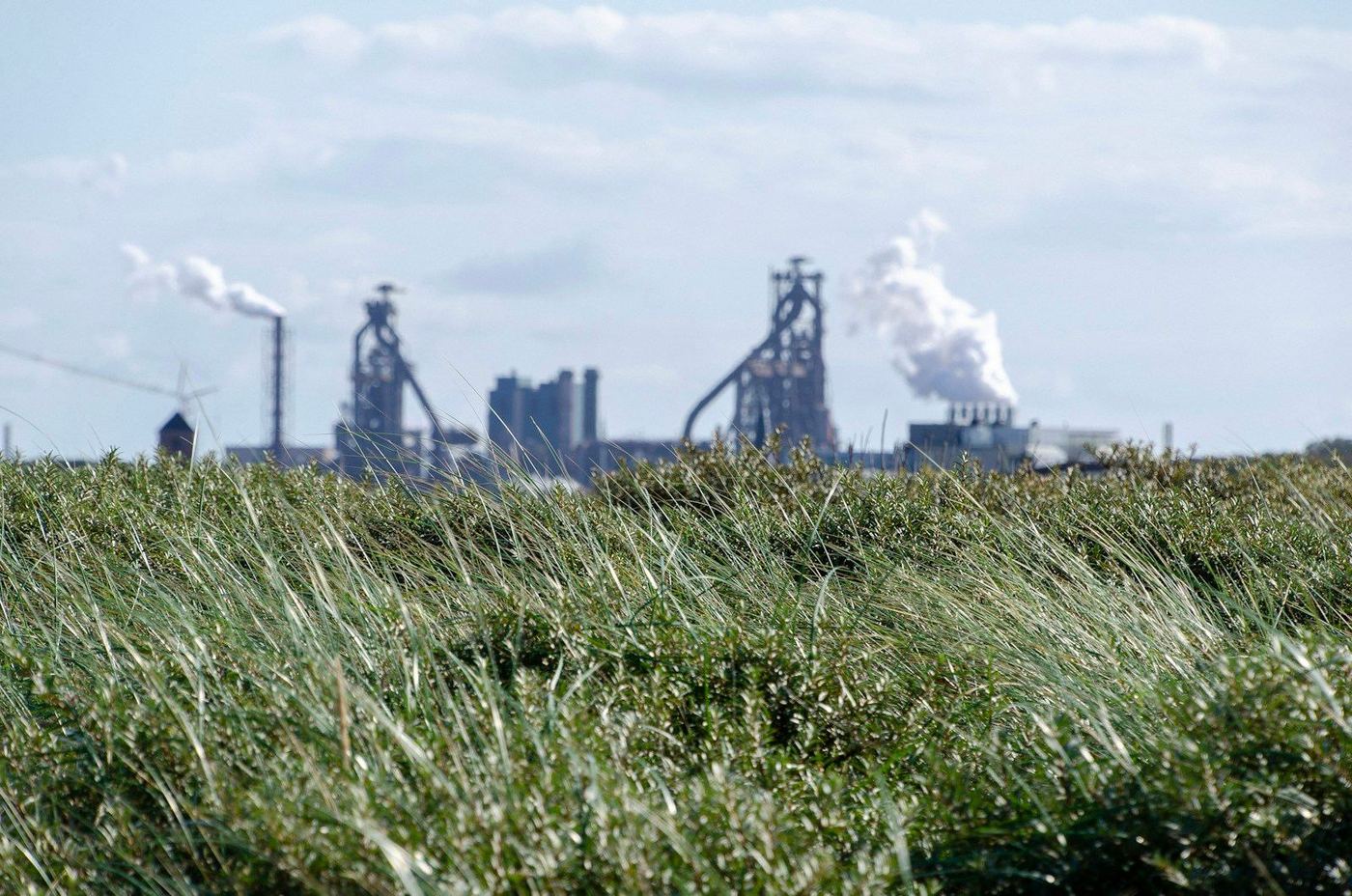
A report from Earth Insight, published on October 8, reveals significant overlap between protected and conserved areas and extractive industry operations. The analysis indicates that over 61.5 million hectares of land designated for protection in tropical countries coincide with active or planned oil and gas blocks.
Additionally, 42.7 million hectares of protected land overlap with mining concessions.
These findings, released ahead of the United Nations Biodiversity Conference (COP17) currently underway in Yerevan, Armenia, highlight a substantial challenge to the global commitment made at COP15 in 2022 to conserve at least 30% of the world's land and waters by 2030, known as the "30x30" target.
Florencia Librizzi, deputy director at Earth Insight, stated that the analysis shows a considerable gap between conservation pledges and the industrial pressures facing protected areas.
Southeast Asia's Unprotected Biodiversity
The Earth Insight report also identifies critical gaps in the protection of Key Biodiversity Areas (KBAs), particularly in regions vital for global ecological health. More than 40% of terrestrial KBAs in the Amazon and 29% in the Congo Basin remain without protection. Notably, over 50% of terrestrial KBAs in both Southeast Asia and Central America are similarly unprotected.
Beyond formally protected zones, the report found that 36 million hectares of unprotected KBAs are threatened by oil and gas blocks, while 28 million hectares face threats from mining concessions. For marine KBAs, 91 million hectares lack protection, with 19% of these under threat from oil and gas activities and 12% from mining concessions.
Regional Extractive Pressures
Specific regional data from the Earth Insight report illustrates the scale of extractive threats. In Southeast Asia, 17% of protected lands are impacted by oil and gas concessions. Furthermore, 19% of unprotected land KBAs and 12% of unprotected marine KBAs in the region also overlap with oil and gas blocks.
The Congo Basin faces particularly high pressure, with 31% of its protected lands designated for oil and gas extraction and 5% for mining. For unprotected KBAs in the Congo Basin, 33% overlap with oil and gas blocks and 16% with mining areas.
Norman Jiwan, an Indigenous leader from Borneo, West Kalimantan, Indonesia, noted that extractive activities in these regions can lead to severe impacts on local communities, including livelihood restrictions and increased pollution.
Implications for Sourcing and Supply Chains
The findings suggest that achieving global conservation goals requires more than simply expanding protected areas; it demands effective enforcement and prevention of industrial activities within these zones.
For procurement and sourcing professionals in Asia's building materials, interiors, and FF&E sectors, this report signals potential future shifts in material availability and supply chain regulations, especially for resources from tropical regions.
Increased scrutiny on land use in areas like Southeast Asia could lead to more stringent certification requirements for timber, minerals, and other raw materials.
Buyers may need to verify that their sourced materials do not originate from areas with overlapping extractive concessions in protected or high-biodiversity zones, anticipating stricter enforcement of land rights and environmental safeguards in the coming years.
Get The Materials Brief.
The week in materials, projects and sourcing, every Tuesday. Free.