Effective Construction Risk Management for Asia Procurement
Effective construction risk management requires identifying, assessing, and controlling potential project issues. This structured approach helps procurement teams and specifiers in Asia anticipate challenges and make informed decisions on material sourcing and project delivery.
Managing Construction Project Uncertainties
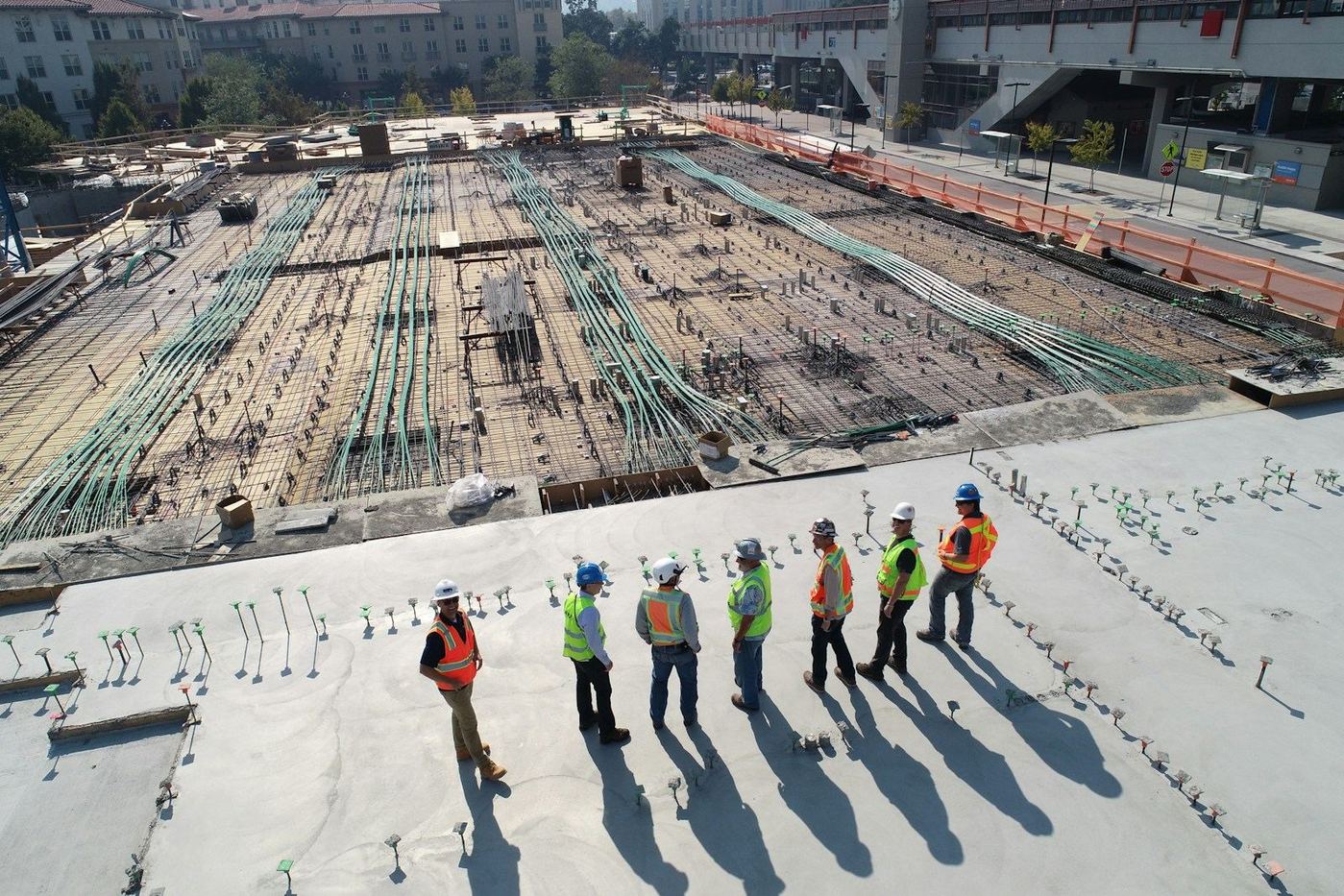
Construction risk management is a systematic process designed to identify, assess, and control potential issues that could affect a building project. These issues can range from safety hazards and project delays to cost overruns, labor shortages, and contractual disputes. Every construction project involves inherent uncertainties.
A structured risk management process enables project teams to identify these risks, prioritize the most significant concerns, and establish appropriate mitigation strategies. This process should begin during the initial planning phases and continue throughout the project's lifecycle, as existing risks can evolve and new ones may emerge.
The goal is not to eliminate every possible risk, but to provide project managers with a method for deciding whether risks should be avoided, reduced, transferred, or accepted.
Categorizing Project Risks
A comprehensive construction risk management plan considers various categories of risk beyond immediate safety concerns. Health and safety risks include working at height, moving vehicles, electrical systems, heavy equipment, and exposure to hazardous substances. Regular risk assessments determine who might be harmed and if existing controls remain suitable.
Financial risks stem from unexpected work, inflation, material price increases, inaccurate estimates, and cash flow difficulties affecting suppliers or contractors. Schedule and operational risks include poor weather, labor shortages, late deliveries, design changes, unexpected site conditions, equipment failure, inadequate supervision, or communication issues.
Legal, regulatory, and environmental risks cover contractual disputes, non-compliance with building codes, flooding, contamination, and difficult ground conditions. Some of these can be identified during planning, while others may become apparent only after work commences.
A Four-Step Risk Management Process
Construction teams can address project uncertainties systematically through a consistent risk management process. The first step is to **Identify Risks**, considering anything that could affect safety, costs, schedules, or overall project success. Information for this comes from site inspections, design reviews, previous projects, and discussions with stakeholders.
Identified risks are then recorded in a risk register. Next, teams **Assess and Analyze Risks** by evaluating both the likelihood of an event and the severity of its potential consequences. This helps distinguish minor concerns from critical issues, factoring in existing control measures.
The third step is to **Prioritize Risks**, allocating resources to issues most likely to impact project objectives. Finally, teams **Develop Mitigation Strategies**, deciding whether to avoid, reduce, transfer, or accept each identified risk.
Implications for Asia's Building Sector
For procurement directors and specifiers across Asia, integrating a systematic risk management process directly impacts material selection, supplier contracts, and project timelines. Early identification of potential material price volatility or supply chain disruptions allows for proactive alternative sourcing strategies or buffer stock planning.
Understanding regulatory compliance risks affects material certifications and import procedures, ensuring all specified items meet local standards. This approach helps minimize cost overruns and project delays, leading to more predictable project delivery and greater efficiency in large-scale construction and interiors projects throughout the region.
Procurement teams should integrate risk assessment into their supplier selection and contract negotiations to ensure project continuity.
Get The Materials Brief.
The week in materials, projects and sourcing, every Tuesday. Free.