China, India Log Exports Stable, Prices Up; NZ CLT Plant Opens
Log export markets for China and India demonstrated stability and price improvements over the last six months, according to Allan Laurie, Managing Director of Laurie Forestry. China saw August prices increase by NZ$1-NZ$3 per cubic meter at the wharf gate, with India maintaining steady prices slightly above China. New Zealand also opened a new Cross Laminated Timber (CLT) plant near Rotorua, signaling growth in engineered wood products.
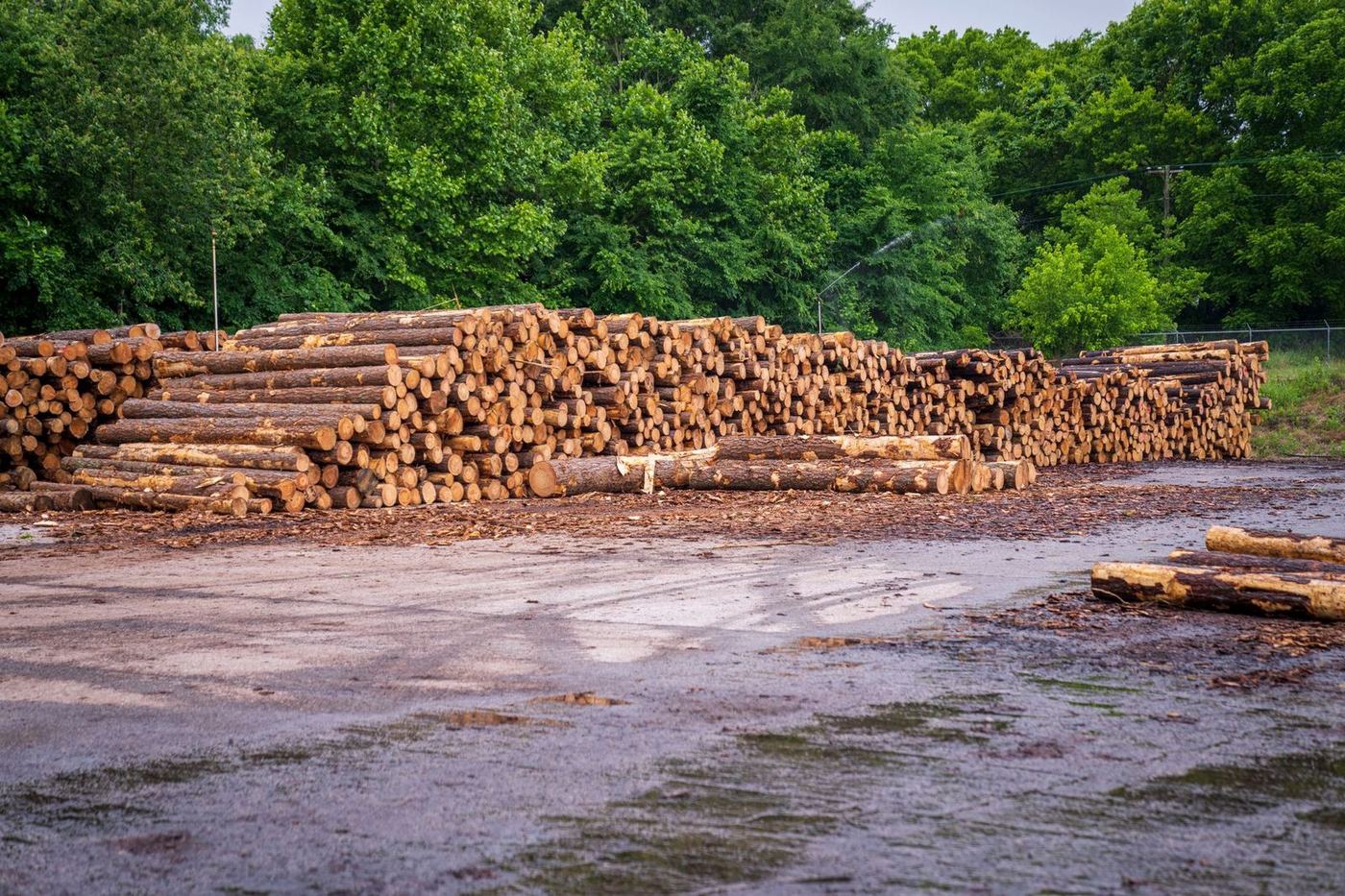
China and India Log Market Trends
Log export markets to China and India have shown consistent stability and price improvements during the past six months, as observed by Allan Laurie, Managing Director of Laurie Forestry. In August, China's log prices increased by NZ$1 to NZ$3 per cubic meter at the wharf gate. India's prices remained stable, positioned slightly above those in China.
For most sellers, China's A-grade shorts reached US$127 per cubic meter in August. Total inventory across the eastern seaboard stood at 2.47 million cubic meters, a decrease of 50,000 cubic meters from June. Port offtake in early August maintained a rate of 57,000 to 58,000 cubic meters daily, figures considered favorable for this period.
China Wood Demand and New Zealand Supply
China's wood use has improved despite a decline in its Purchasing Managers’ Index (PMI), which fell to 48.5 in July from 50.4 in June. The country's economy grew 4.3% year-over-year, marking its slowest growth in three years. Meanwhile, New Zealand's breakbulk log exports experienced a lower supply, primarily due to severe swells impacting vessel loading days at Gisborne port.
In contrast, New Zealand's domestic sawmills, particularly those in Canterbury, reported strong demand and stable to firm prices. The country also saw the opening of a new Cross Laminated Timber (CLT) plant near Rotorua, which aims to facilitate the construction of multi-story, high-strength buildings using engineered wood products.
Asian Sawmilling and Freight Challenges
The sawmilling sector in India, particularly around Kandla port, comprises approximately 2,500 operations. An Indian sawmill typically uses two band saws: a horizontal saw for breaking down logs into flitches and a vertical saw for producing timber from these flitches.
These operations are largely manual, employing six to seven people, without electronic systems, and often using shovels for sawdust extraction. China's sawmills share a similar structure, differing mainly in the more common use of vertical breakdown saws.
Worker pay rates in India and China are considerably lower than in New Zealand, making it unfeasible for New Zealand sawmills to competitively sell standard dimension lumber in these markets, except for niche fall-down grades. Sea freight rates for New Zealand log shipments remain unpredictable, representing the largest factor limiting returns for forest owners.
Consequences for Asian Procurement
Asian buyers sourcing New Zealand logs can anticipate continued market stability and consistent pricing, despite potential, localized supply interruptions from specific New Zealand ports.
The development of engineered wood products like CLT in New Zealand suggests a future trend in timber construction that Asian specifiers may consider for multi-story projects, prompting inquiries into these material alternatives.
The operational structures and labor costs of sawmills in India and China continue to influence the competitive landscape for standard dimension lumber, reinforcing that New Zealand-produced standard lumber will not be a cost-effective option for many Asian markets. Procurement teams should factor unpredictable sea freight costs into their budgeting for New Zealand log imports.
Get The Materials Brief.
The week in materials, projects and sourcing, every Tuesday. Free.