Bollywood Set Construction Shapes India's Architectural Identity
Indian cinema constructs detailed architectural worlds for film sets, influencing public perception of urban identity and architectural aesthetics across India. These temporary constructions, designed with attention to scale and spatial relationships, often become reference points for how cities, wealth, and specific neighborhoods are understood by millions of viewers.
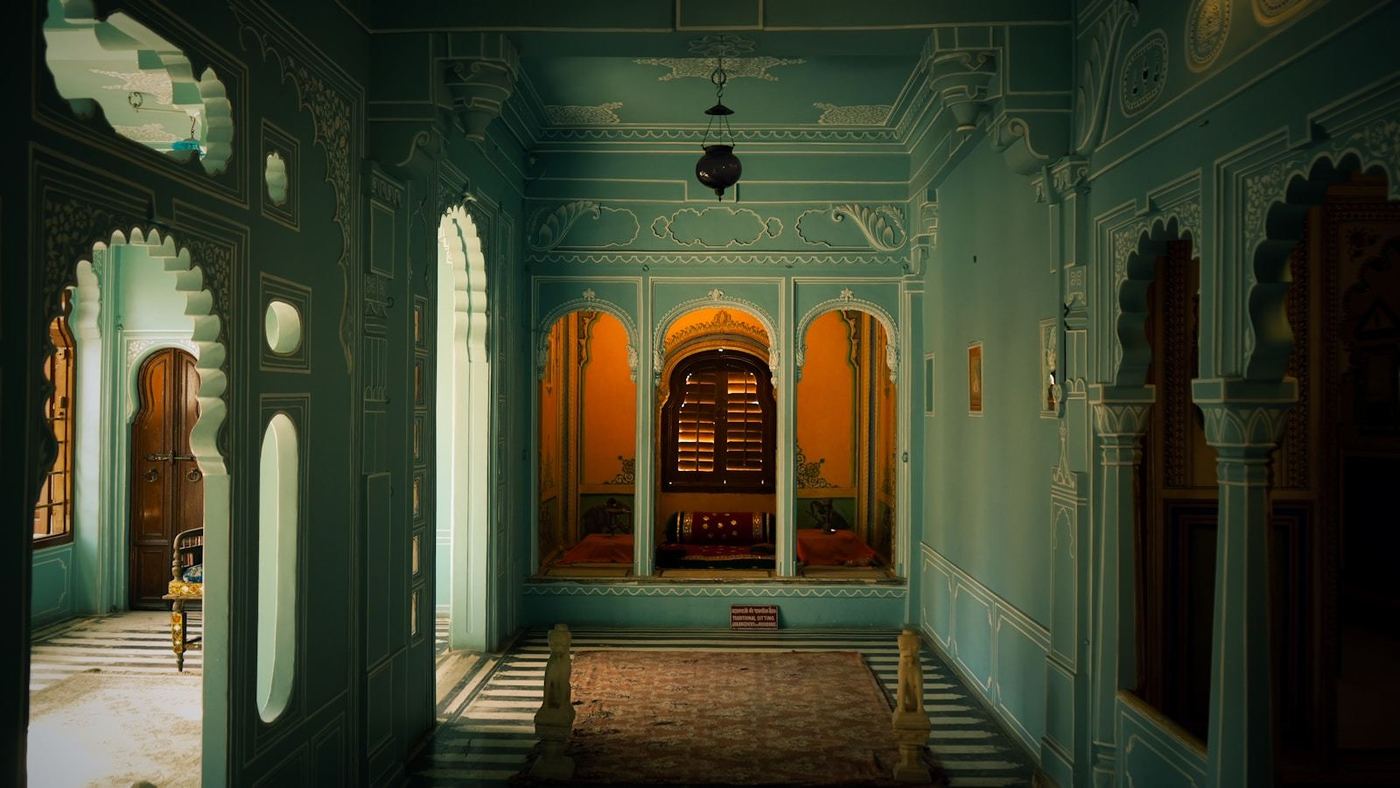
Filmed Spaces Define Urban Memory
Many convincing architectural environments in India exist primarily as film sets. Courtyards, palaces, streets, and entire neighborhoods are built for the camera, then dismantled once filming concludes.
However, their visual representations persist, becoming key references for millions of viewers on how cities appear, how wealth is displayed, and how specific areas or versions of India are remembered. Cinema condenses complex histories into immediately recognizable images, which subsequently shape the understanding of physical places.
This process shows how constructed spatial worlds can influence social hierarchy, memory, and urban identity, even when the physical sets are temporary.
Detailed Set Construction for Cinematic Realism
For the film *Gangubai Kathiawadi*, production designers Amit Ray and Subrata Chakraborty built a five-acre replica of Mumbai’s Kamathipura at Film City. This set required weeks to construct and involved a large workforce. The design team drew on historical photographs, conversations, and architectural references from 1950s and 1960s Bombay.
The construction extended beyond camera-facing façades to include functional spaces such as a café, bar, and hospital, creating an internal geography. This attention to scale, circulation, and spatial relationships meant the set functioned as a believable version of Bombay, allowing actors and cameras to move through it as they would a real neighborhood. Set elements like street width, façades, and signboards communicate location and era within seconds of a shot.
Architecture as a Narrative Tool
Films also use architecture to convey aspiration and social status. In *Kabhi Khushi Kabhie Gham*, the Raichand residence communicates wealth through its monumental entrance, expansive interiors, and controlled movement patterns. London settings in the same film use glass structures, malls, and consumer landscapes to visually mark a globalized lifestyle.
This architectural staging establishes social hierarchy before characters speak. Through these interiors and exterior environments, cinema teaches audiences not only how places look but also what they are meant to signify. A palace can represent inherited power, a courtyard suggests intimacy, and a glass tower becomes shorthand for aspiration. Repeated cinematic associations can become more familiar than the real architectural contexts they originate from.
Filming Locations Influence Building Identity
The impact of cinema also extends to existing structures. The College of Agriculture in Pune, an Indo-Saracenic building completed in 1911, has served as a filming location for decades. Following its appearance in *Munna Bhai M.B.B.S.*, filming activity increased, leading to the site being officially branded as a filming location.
A 2025 study published in *Built Heritage* found that these film associations altered how students, staff, visitors, and heritage-walk participants understood the building. Stories about the films integrated into the building’s heritage narrative, with specific spaces remembered through associated characters and scenes.
This demonstrates how cinema adds a layer of spatial memory, potentially increasing visitor interest and drawing renewed attention to a building. Architects and developers in Asia should note how cinematic representations influence public expectations for urban design and material aesthetics, potentially driving demand for specific visual cues in new projects.
Get The Materials Brief.
The week in materials, projects and sourcing, every Tuesday. Free.