BESIX Watpac Selected for Hobart's A$1.13 Billion Timber Stadium
The A$1.13 billion Macquarie Point Stadium in Tasmania will feature the world's largest timber roof structure, with construction set to begin after final delivery details are settled this month.
Builder Selection for Major Timber Project
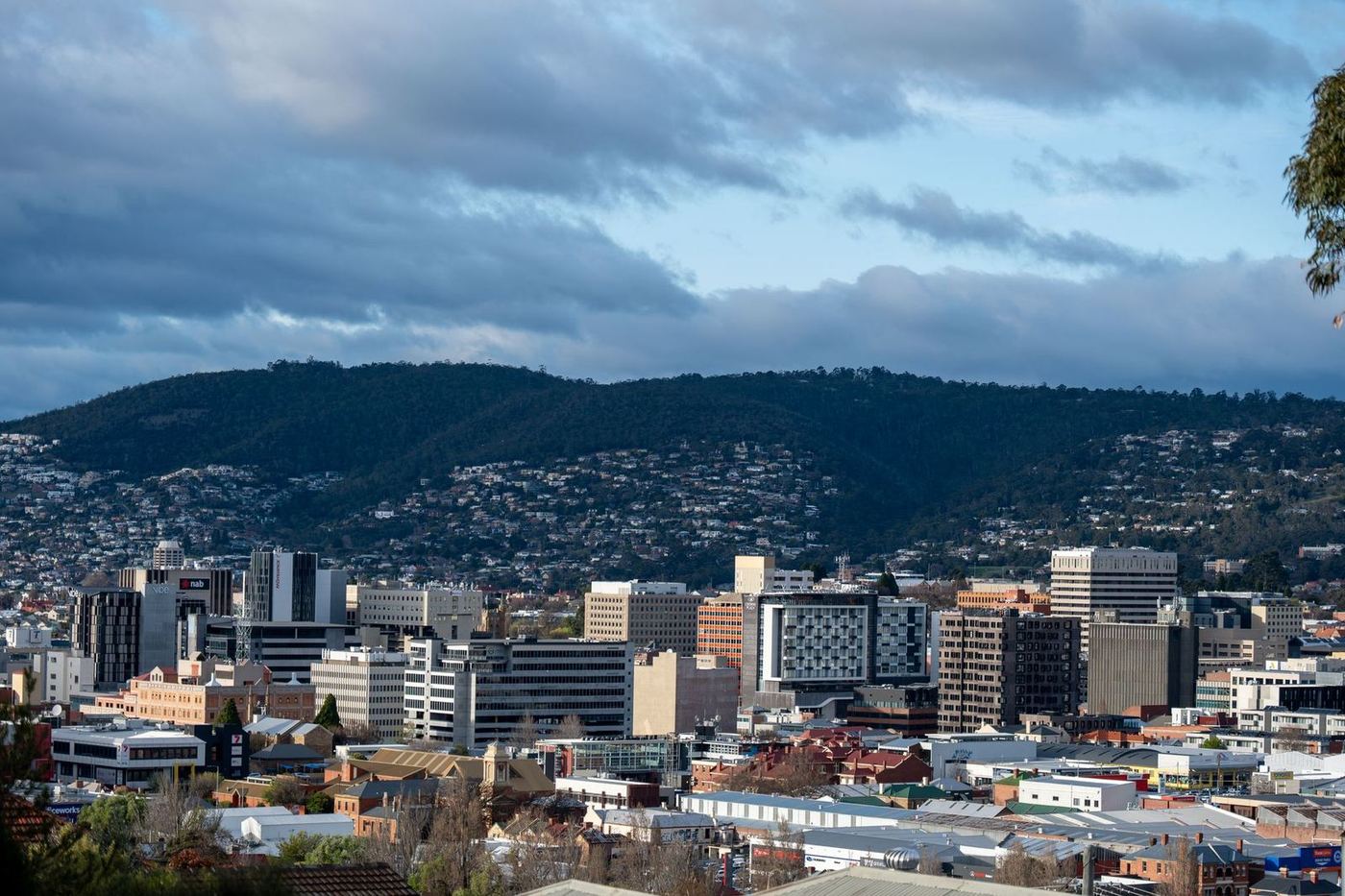
The Tasmanian government has named BESIX Watpac as the preferred tenderer for the A$1.13 billion Macquarie Point Stadium in Hobart. Premier Jeremy Rockliff announced the selection yesterday, stating that the Belgian-owned firm will spend the next month finalizing delivery arrangements with the Macquarie Point Development Corporation.
Construction is anticipated to commence shortly thereafter, with the stadium aiming for completion in late 2030 to host the Tasmania Devils ahead of the 2031 season. BESIX Watpac was chosen over a rival consortium led by Webuild, which included China Construction Oceania, both of whom were shortlisted in April.
The firm is also involved in final negotiations for a joint venture to construct Brisbane's 63,000-seat stadium for the 2032 Olympic Games.
Local Timber and Glulam Specifications
The Macquarie Point Stadium is designed to feature the world's largest timber-roofed structure, emphasizing locally grown and sourced Tasmanian timber. Architects Cox Architecture and Cumulus Studio have specified a steel-and-glulam hybrid design for the roof, which will span 190 meters.
This structure will incorporate structural timber cross-beams spaced every five meters, complemented by steel bracing at 20-meter intervals. Glulam sourced within Tasmania is intended to be left exposed on the roof's underside, creating a distinct aesthetic.
Additionally, a glulam structure will support the glazing on the stadium's facade, further showcasing the regional material. Local industry participation and sourcing were explicit requirements within the tender process in April.
Project Timeline and Funding
Bulk earthworks for the waterfront site at Macquarie Point began in July 2026, with plans to remove 100,000 cubic meters of soil before major building works are expected to start in 2027. The project's budget remains at A$1.13 billion. The Tasmanian government has capped its financial contribution at A$875 million, while the federal government has committed A$240 million.
Macquarie Point Urban Renewal Minister Eric Abetz highlighted the stadium's visual prominence as the first landmark greeting visitors to Hobart. The Macquarie Point Development Corporation confirmed the stadium is still scheduled for completion in late 2030, with the first Australian Football League (AFL) fixtures planned for 2031.
Implications for Asia-Pacific Sourcing
This major Australian project's emphasis on "locally grown and sourced timber" for its glulam and cladding components signals a growing trend towards regional material procurement in large-scale construction.
While this specific mandate targets Tasmanian suppliers, it reflects an increasing focus on material origin, carbon footprint, and local economic benefits in project tenders across the Asia-Pacific.
For Asian manufacturers of mass timber, glulam, or specialized timber cladding, this development suggests that future opportunities in Australia and potentially other markets in the region may increasingly require local production capabilities, strategic partnerships, or robust supply chain transparency to demonstrate regional content and meet evolving sustainability and economic participation criteria.
Get The Materials Brief.
The week in materials, projects and sourcing, every Tuesday. Free.