EIU: Asia Liveability Soars, Boosting Healthcare, Infrastructure
The Economist Intelligence Unit's 2026 Global Liveability Index reveals Asia recorded the largest regional improvement in liveability, driven by public investment in healthcare and infrastructure, showing sustained demand for building materials and FF&E across the region.
Asia's Liveability Growth
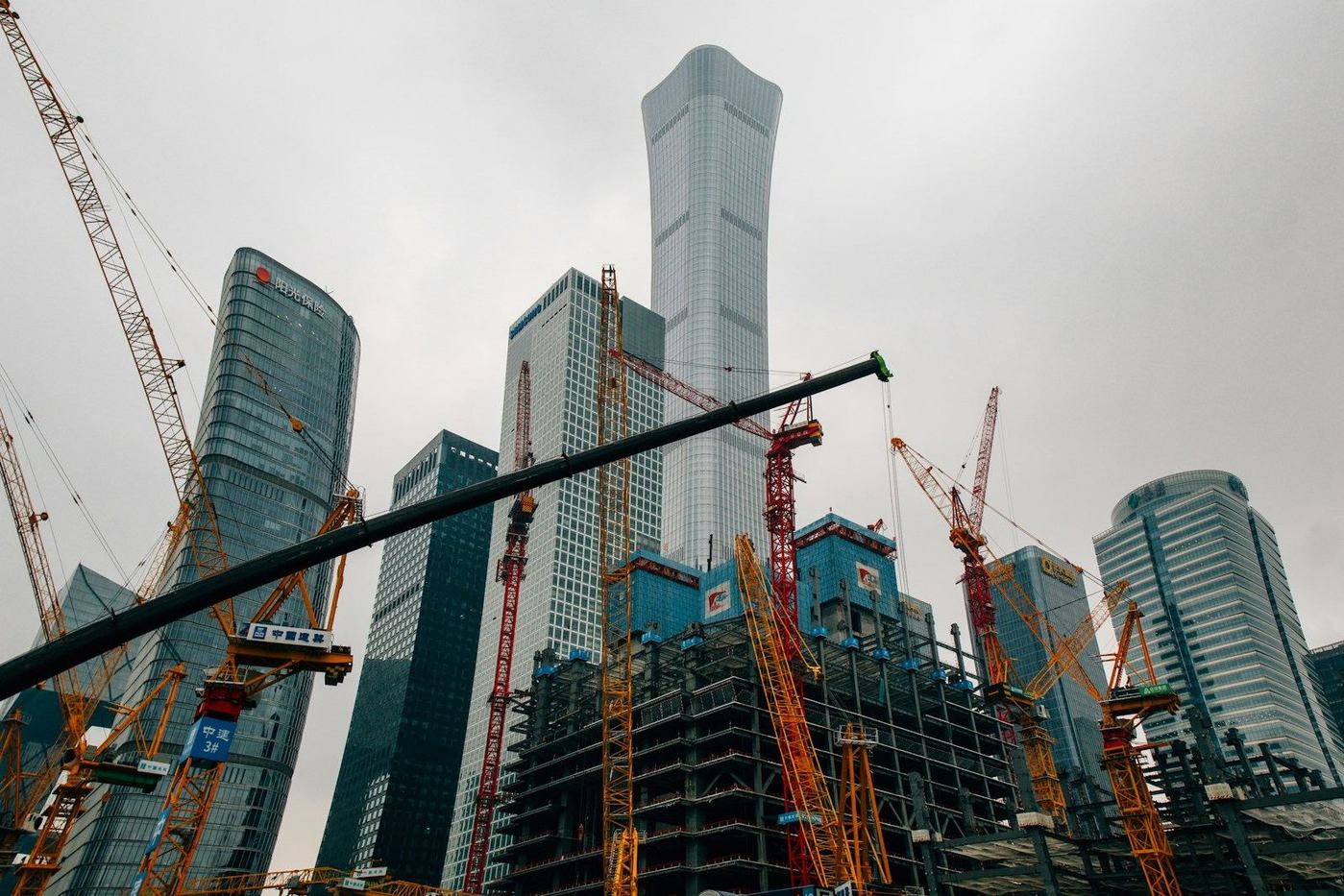
The Economist Intelligence Unit (EIU) reported Asia achieved the largest regional improvement in its 2026 Global Liveability Index. The region's average liveability score increased by 0.3 points, reaching 73.9. This rise stemmed from increased public investment in healthcare and infrastructure, particularly within Chinese cities.
Consequently, nine Asian cities now rank among the top 20 globally. Fuzhou recorded a significant ascent, moving up seven places to 93rd position, while Tokyo also climbed to 10th place overall. This trend demonstrates a focus on urban development and public service enhancements across Asian markets.
Global Rankings and Top Performers
Copenhagen, Denmark, secured its position as the world's most liveable city for the second consecutive year, achieving an overall score of 98 out of 100. The city received perfect scores for stability, education, and infrastructure. Vienna, Austria, and Melbourne, Australia, followed in the rankings. Globally, the average liveability score remained unchanged at 76.1.
Western Europe continued to be the highest-scoring region, with an average liveability score of 91.7. Other cities in the top ten included Sydney, Zurich, Geneva, Osaka, Adelaide, and Vancouver.
Declines and Market Implications
Globally, stability remained the primary factor for decline in the index, with average scores falling by 0.5 points across the 173 cities assessed. Southwest Asia and North Africa experienced the most significant regional deterioration, with their average liveability score decreasing by one point.
Muscat and Kuwait City saw notable drops, falling 14 and 12 places respectively, while Tehran entered the bottom ten at 164th.
For procurement directors and specifiers in Asia, the sustained public investment in healthcare and infrastructure, particularly in China, demonstrates continued demand for construction materials, interior finishes, and FF&E. This trend points to opportunities for suppliers of hospital-grade finishes, medical equipment-ready FF&E, and durable infrastructure materials.
Buyers should prepare for ongoing project opportunities in urban development focused on public services and supporting facilities, with an emphasis on projects in regions showing significant liveability improvements.
Get The Materials Brief.
The week in materials, projects and sourcing, every Tuesday. Free.