US Single-Family Homes: Wood Framing Holds 94% Share in 2025
In 2025, concrete framing accounted for 5% of new single-family homes, while steel framing saw a 25% increase in completions to 5,000 units.
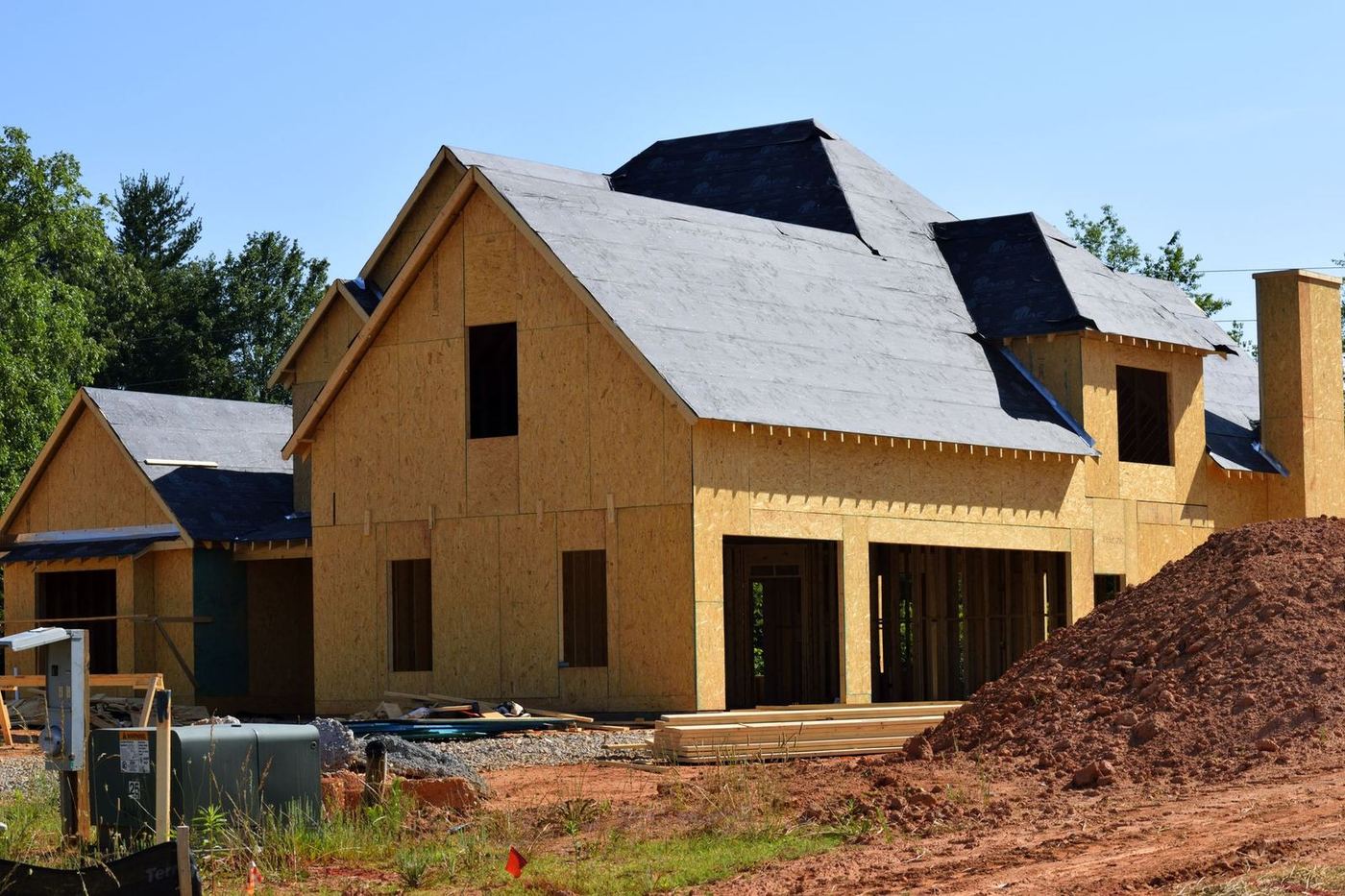
Wood Dominance in US Residential Construction
Wood framing remained the primary construction method for single-family homes completed in the United States during 2025, securing a 94% market share. Approximately 947,000 wood-framed residences were finished that year. This figure represents a 1% decrease in completions compared to 2024, though wood framing’s overall market share held steady.
These findings come from an analysis by the National Association of Home Builders (NAHB), based on data from the US Census Bureau. The NAHB represents over 140,000 members, collectively responsible for building about 80% of new homes in the US annually.
Concrete and Steel Performance
Concrete-framed homes accounted for 5% of single-family completions in 2025, with around 53,000 units finished. This volume marked a 4% decline from the previous year, yet concrete’s market share for single-family construction also remained unchanged. Steel framing, while still relatively uncommon, showed a notable increase in its use.
It represented about 0.5% of completions, but the number of steel-framed homes increased by 25% to approximately 5,000 units in 2025, indicating a modest but growing segment.
Regional Preferences for Non-Wood Framing
The adoption of non-wood framing methods, specifically concrete and steel, was concentrated in the southern US. In this region, concrete-framed homes constituted a higher proportion, making up 9% of single-family completions in 2025.
Furthermore, the South was a significant hub for steel construction, accounting for about 60% of all steel-framed homes completed nationwide during the year. This regional concentration is largely attributed to specific residential construction requirements related to resilience in the southern states.
Implications for Asia's Building Materials Sector
The continued dominance of wood framing in the US single-family home market, even with a slight dip in completions, signals a stable demand for timber and wood-based panel products. Asian manufacturers of structural timber, plywood, and other engineered wood materials may find the US remains a consistent, though not rapidly expanding, export destination.
Conversely, the 25% growth in US steel-framed homes, albeit from a small base, suggests a niche market with potential for gradual expansion.
Asian steel producers supplying construction-grade materials could monitor this trend for long-term shifts in material specification, especially if building resilience requirements similar to those in the US South become more widespread globally.
Get The Materials Brief.
The week in materials, projects and sourcing, every Tuesday. Free.