UPM Opens €1.37 Billion Leuna Biorefinery for Renewable Chemicals
The new Leuna facility in Germany, inaugurated on October 15, 2026, will produce 220,000 tonnes of wood-based chemicals annually, targeting construction and other sectors.
UPM Launches Leuna Biorefinery for Renewable Chemicals
UPM inaugurated its €1.37 billion biorefinery in Leuna, Germany, on October 15, 2026. This new industrial-scale platform is designed to produce renewable chemicals from wood, with an annual capacity of 220,000 tonnes. The facility, which UPM states is the world's largest of its kind, aims to replace fossil-based raw materials in various product applications.
The ramp-up of operations has progressed, with enzymatic hydrolysis and the production of lignin-derived specialty chemicals now operating stably, and UPM is increasing sales of these products.
Wood Residues as Feedstock for Industrial Sugars and Lignin
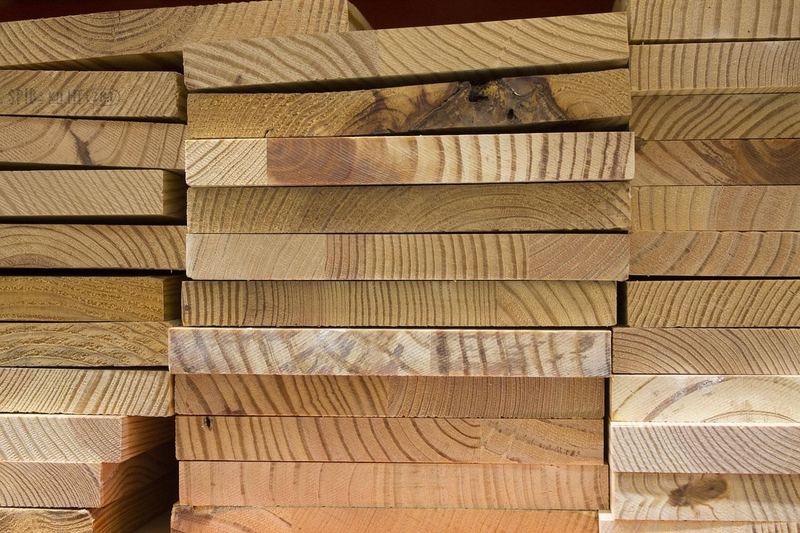
The Leuna biorefinery converts lignocellulosic biomass, primarily low-grade beechwood sourced from forest thinnings and sawmill residues, into renewable raw materials. UPM specifies that this feedstock is obtained within a radius of approximately 200 kilometers and is unsuitable for higher-value applications such as timber or furniture production.
Through enzymatic hydrolysis, the facility produces industrial sugars and lignin, which serve as foundational components for the renewable chemicals. This process highlights a strategic shift towards utilizing under-valued wood resources for industrial chemical production.
Bio-Based Alternatives for Construction and Consumer Products
The biochemicals produced at the Leuna facility are intended for a broad range of everyday products, including construction materials, clothing, packaging, cosmetics, and tires. Many of these products currently rely on fossil-based raw materials.
UPM aims to provide manufacturers and brands with renewable alternatives that meet their performance requirements, supporting industries in their efforts to reduce dependence on fossil resources. The project also represents a significant milestone for Europe's bioeconomy, demonstrating the commercial-scale production of renewable carbon-based materials.
Implications for Asia's Building Materials Sector
The commercial launch of a large-scale biorefinery producing renewable chemicals for construction materials in Europe sets a precedent for global material supply chains. Asian building material manufacturers and procurement teams may increasingly encounter demand for products incorporating such bio-based alternatives.
Specifiers in Asia seeking to meet sustainability targets could begin to request documentation on the origin and composition of chemicals used in products like adhesives, coatings, and insulation.
While the Leuna facility's feedstock is regionally sourced, Asian producers could explore similar valorization of local wood residues or agricultural waste to develop comparable low-carbon building solutions for their markets, aligning with a global push for reduced reliance on fossil resources.
Get The Materials Brief.
The week in materials, projects and sourcing, every Tuesday. Free.