Takenaka Moen-Wood fire-rated glulam expands to Japan private projects
Japanese builder Takenaka Corporation now permits its Moen-Wood fire-resistant glulam, made from cedar and cypress, for private offices and shops up to 14 storeys with a two-hour fire rating.
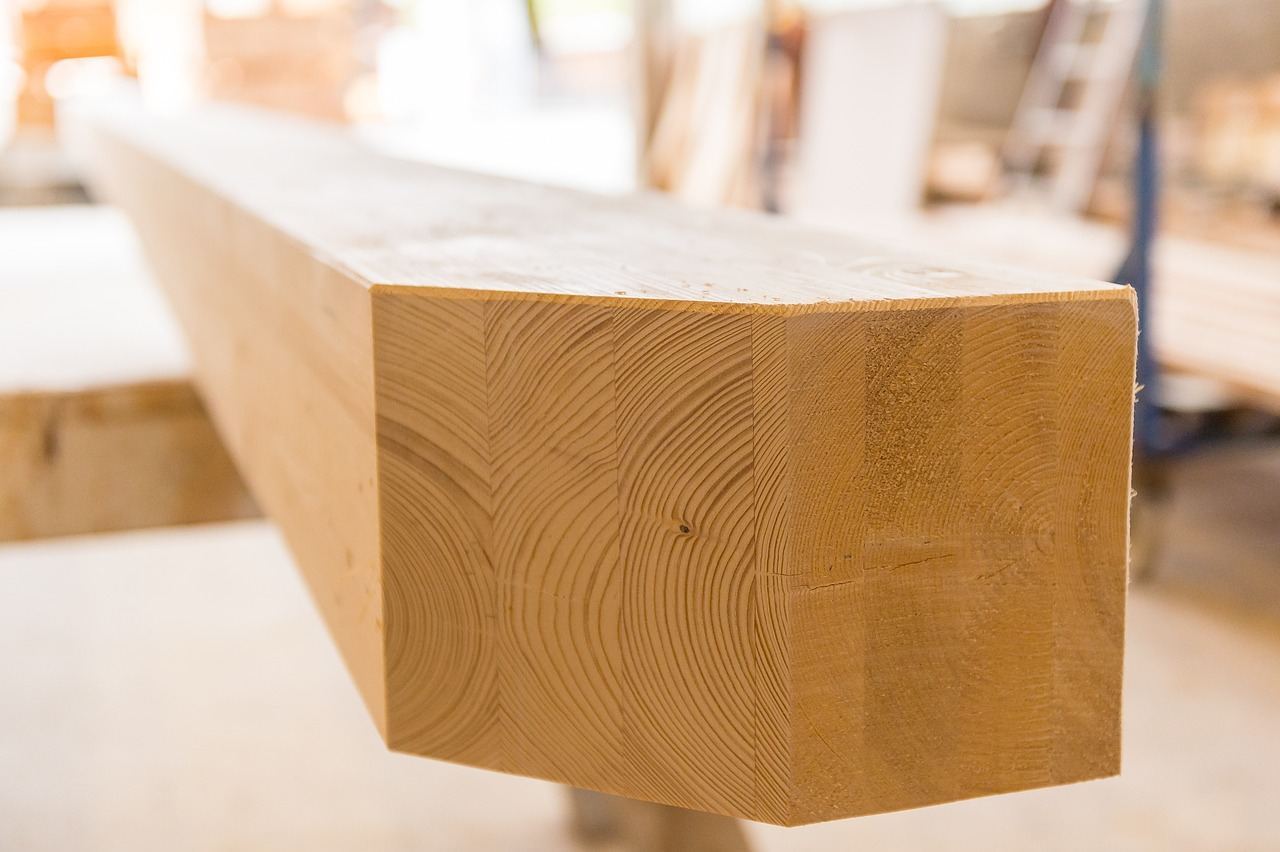
Fire-Rated Glulam for Commercial and Residential Buildings
Japanese construction firm Takenaka Corporation has expanded the application of its Moen-Wood fire-resistant glulam, allowing its use in private offices, commercial facilities, and mixed-use buildings across Japan. Previously, the technology was restricted to public and public-interest projects.
The new license, announced by Takenaka Corporation, covers its Moen-Wood patents, ministerial fire approvals, and trademark. This change means that exposed cedar and cypress columns, rated to withstand up to two hours of fire, can now be incorporated into private structures up to 14 storeys high.
Evolution of Moen-Wood Licensing and Capacity
Since 2017, Takenaka had issued one-hour licenses to four glulam manufacturers for Moen-Wood, limiting its use to public clients and buildings of four storeys or the top four floors of taller structures. In 2024, the same manufacturers signed on for a two-hour version, which increased the permissible building height to 14 storeys, though still exclusively for public projects.
The current license extends this 14-storey, two-hour fire rating to a broader range of private developments, marking a significant shift in its availability. Moen-Wood was first installed in the Osaka Timber Association Building in 2013.
Technology and Environmental Credentials
Moen-Wood columns are engineered with a load-bearing glulam core wrapped in mortar or gypsum, encased by an outer layer of wood designed to char in a fire. This construction method, according to Takenaka, allows the use of Japanese cedar, cypress, and larch without requiring additional surface covering.
By 2022, Takenaka had incorporated Moen-Wood into 20 mid-rise and high-rise timber hybrid buildings. The product's environmental impact was also recognized six months ago, when its columns received an environmental product declaration under Japan’s SuMPO certification scheme.
Specifications for Japanese Projects
For developers and specifiers in Japan considering Moen-Wood for projects up to 14 storeys, Takenaka Corporation requires that the design office involved has prior experience with fire-resistant timber buildings. Takenaka also confirms that the chosen contractor operates under the supervision of that qualified design office.
Four specific glulam manufacturers are listed by Takenaka as direct contacts for the production and supply of Moen-Wood. This expansion provides new material options for architects and procurement teams designing medium-rise commercial and residential projects seeking exposed timber aesthetics with certified fire resistance.
Get The Materials Brief.
The week in materials, projects and sourcing, every Tuesday. Free.