Portman, SOM, KPF Crown Shanghai Skyscrapers as Landmarks
Architects John Portman & Associates, Skidmore, Owings & Merrill, and Kohn Pederson Fox designed distinctive crowns for Shanghai skyscrapers, serving as key urban identifiers in the city's dense metropolitan area.
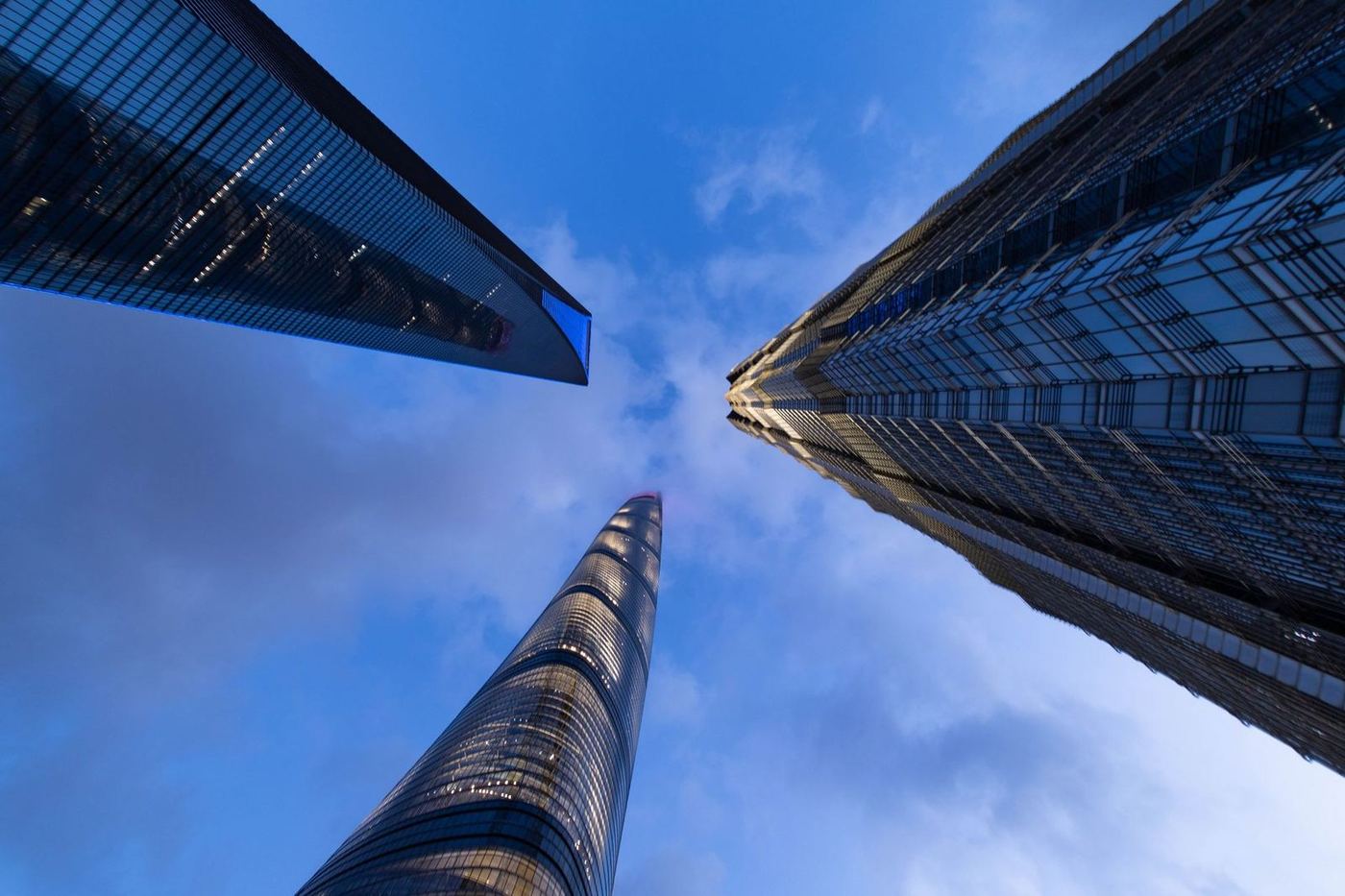
Skyscraper Crowns as Urban Navigators in Shanghai
In Shanghai, a metropolitan area spanning approximately 14,000 km² and featuring around 200 skyscrapers 492 feet or taller, distinguishing individual buildings by height alone proves challenging for urban navigation.
Paul Clemence, observing from the 81st floor of the Shanghai World Financial Center, notes that the distinctive crowns of these high-rise structures function as critical landmarks. These architectural elements provide unique reference points within the city's complex urban fabric.
The careful design of these building tops by architects ensures that they stand out, offering visual cues that guide residents and visitors, making them more than just tall structures but memorable features of the skyline.
John Portman & Associates' Symbolic Designs
John Portman & Associates contributed two notable crowns to Shanghai’s skyline, characterized by elaborate, symbolic geometry. The Tomorrow Square tower, completed in 2003, features a pointed apex composed of four aluminum-clad pyramid corners that incline towards the center without meeting.
This metallic peak reflects sunlight, providing a gleaming presence that serves as a central geo-locator. The building also houses the world’s highest library on its 60th floor. Another contribution, the Bund Center, completed in 2002, incorporates a lotus flower-inspired crown. This 58-meter-wide, 582-ton garland of petals sits atop a cream terracotta and glass-sheathed tower.
The petals are illuminated in a golden glow at night, making the crown highly visible and adding a lyrical touch to the urban horizon.
Jin Mao Tower's Heritage-Inspired Pinnacle
The Jin Mao Tower, completed in 1999, was a significant project in the transformation of the Pudong area into a high-rise district and China's entry into supertall buildings. Adrian Smith’s team, then with Skidmore, Owings & Merrill, designed its crown to reflect both a future-forward vision and Chinese heritage. The tower features a glistening stainless steel pinnacle spire.
Its design draws inspiration from traditional Chinese pagoda typology and incorporates patterns based on the number 8, a symbol of prosperity. This design approach ensured that the Jin Mao Tower's crown not only marked its height but also communicated cultural significance, establishing a distinct identity within the city’s evolving skyline.
Implications for Architectural Specification in Asia
For architects, developers, and procurement teams in Asia, these examples demonstrate that the design and material specification of a building’s crown are crucial for creating urban landmarks and project differentiation.
The selection of facade materials such as aluminum, stainless steel, terracotta, and specialized glass for these highly visible elements directly impacts a building's identity and its role in the urban landscape.
Specifiers should consider how material finishes, structural forms, and integrated lighting systems contribute to a crown’s distinctiveness and its ability to serve as an enduring visual reference point in dense metropolitan areas, influencing long-term project value and urban impact.
Get The Materials Brief.
The week in materials, projects and sourcing, every Tuesday. Free.