RIBA Stirling Prize Champions Sustainable Adaptive Reuse
The UK's top architecture award for Lion Green Road in Croydon signals a shift toward projects integrating sustainability and adaptive reuse, moving beyond purely aesthetic judgments.
Award Criteria Shift to Site and Community
The RIBA Stirling Prize, the United Kingdom's highest architectural honor, recently recognized Lion Green Road in Croydon, a project by Mary Duggan Architects. This award reflects an evolving set of criteria for judging architectural excellence, now prioritizing how a design responds to its specific site, integrates with the community, and employs adaptive reuse strategies.
The winning scheme, developed by Croydon Council and its development company Brick By Brick, transformed a former car park into new homes and public spaces. This public sector initiative demonstrates a focus on creating places that improve daily life rather than solely on visual appeal.
Sustainability and Reuse as Core Design Elements
Sustainability is now viewed as an integral part of a project's core design, not an afterthought. Juries evaluate energy, water, and carbon data alongside architectural drawings, seeking coherence between environmental claims and design decisions. Similarly, adaptive reuse has become a central concept in compelling entries.
This extends beyond renovating old buildings to include repurposing existing infrastructure, such as converting a car park into residential units, repairing structures instead of replacing them, or giving a building a new program.
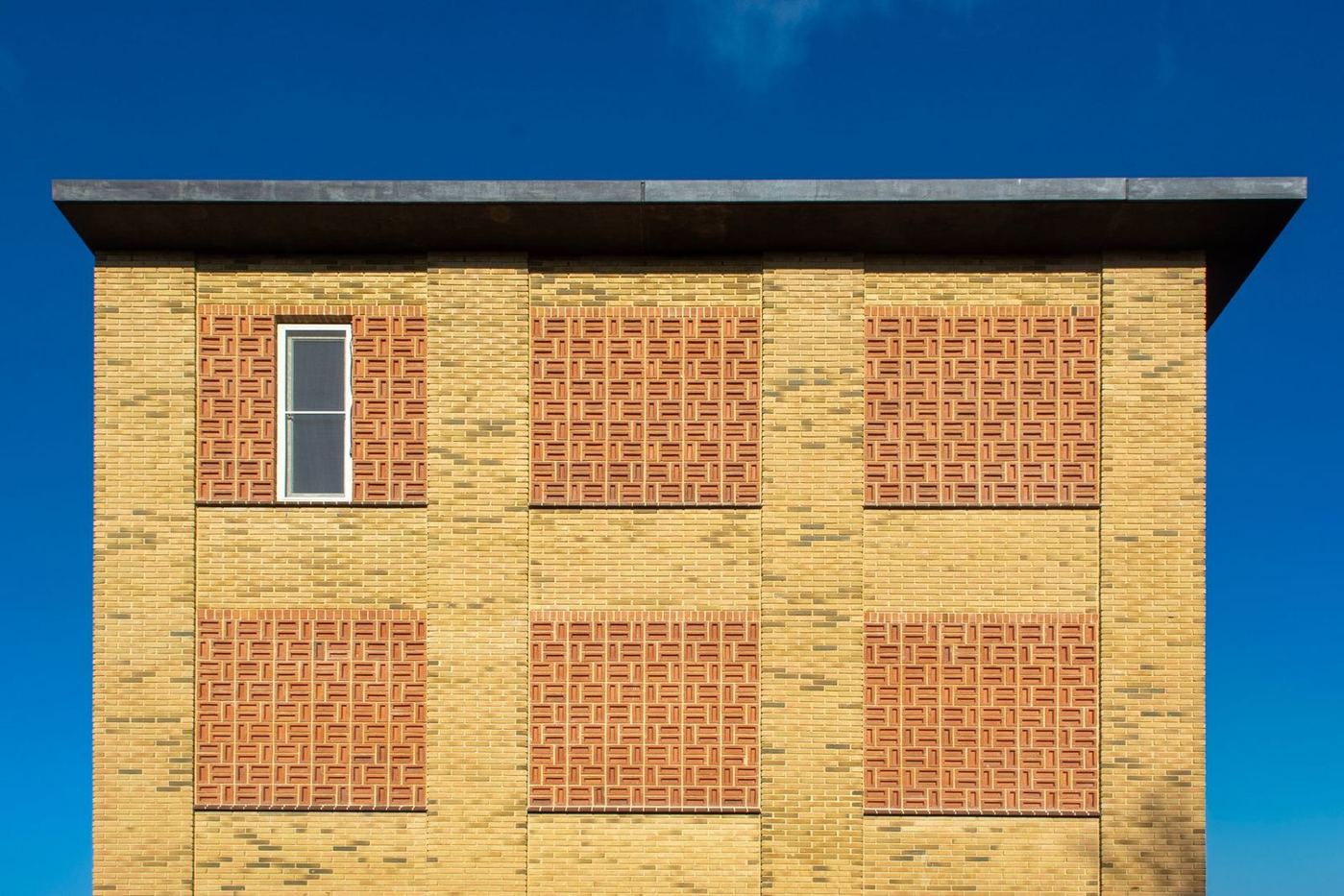
The Lion Green Road project, featuring brick housing blocks and patterned brick façades, exemplifies this approach by making better use of already serviced urban land.
Jury Expectations for Project Submissions
Juries increasingly look for honesty in project submissions, valuing real data and evidence of a building in use over aspirational targets. Eleni Stefania Kalapoda, a Sustainability Expert who served on the RIBA London (South East) jury, notes that projects that clearly articulate the problem they solve and show how design decisions address it tend to succeed.
Submissions should present fewer, stronger images, a clear sequence, and credit the entire team involved, including architects, consultants, and contractors. This approach helps jurors understand the project's impact on its surroundings and its inhabitants over time.
Implications for Asia’s Building Materials Sector
This shift in award criteria suggests a growing emphasis on sustainable and adaptive design practices that may influence material specification in Asia. Developers and architects across the region, particularly in dense urban centers like Singapore or Hong Kong, may increasingly seek building materials that support land reuse and structural adaptation.
This could drive demand for modular construction systems, versatile interior finishes, and durable, locally sourced materials that align with site-specific and climate-responsive designs.
Procurement teams should prepare to request detailed environmental performance data from suppliers for products like brick, facade systems, and interior components, to meet evolving project requirements and potential certification standards.
Get The Materials Brief.
The week in materials, projects and sourcing, every Tuesday. Free.