
Nippon Paint Survey: 62.8% of Malaysian Businesses Report Flooring Failures
A Nippon Paint survey reveals that nearly two-thirds of Malaysian businesses experience operational disruptions due to flooring issues, with many facing recurring problems and significant costs beyond repairs.
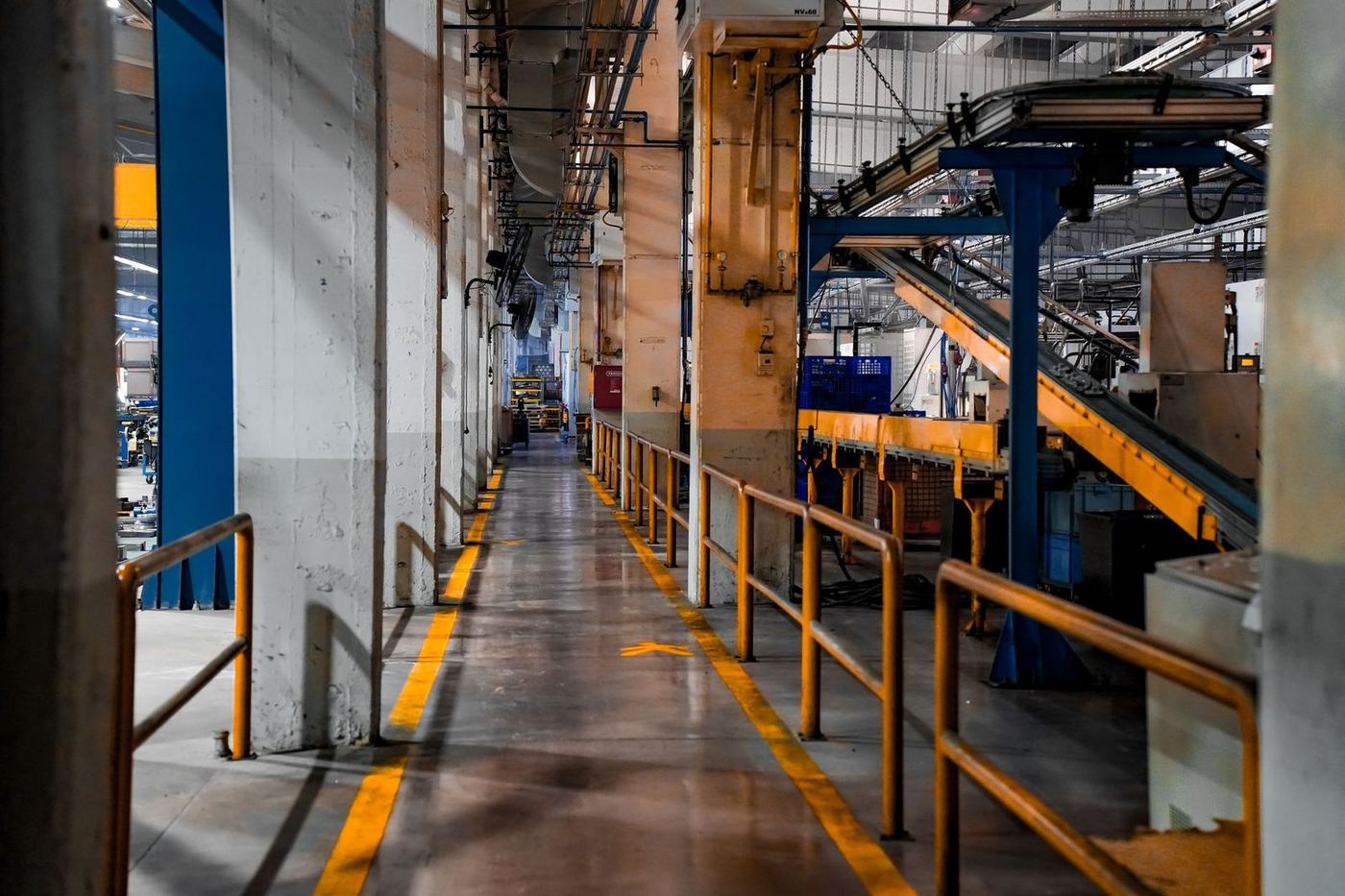
Flooring Failures Disrupt Malaysian Operations
Nippon Paint's "Industrial Flooring Performance and Business Impact Survey" shows that 62.8% of Malaysian businesses surveyed have experienced operational disruption because of flooring problems.
The survey, which included 129 respondents from sectors such as manufacturing, logistics, food and beverage processing, healthcare, pharmaceuticals, and retail, highlights the widespread nature of these issues. More than half of the respondents, 51.2%, reported that flooring problems returned after initial repair or rectification.
Furthermore, 34.1% indicated that their flooring issues required multiple repair attempts, contributing to prolonged operational challenges.
Costs Extend Beyond Direct Repairs
The survey also reveals substantial financial and operational impacts beyond direct repair costs. Nearly half of businesses, 46.5%, reported spending over RM50,000 (approximately US$12,361) on flooring repairs. A significant 18.6% spent more than RM500,000 (approximately US$123,621), with 8.5% exceeding RM1 million (approximately US$247,182).
Operational consequences were frequently cited: 45.0% reported impacts on production efficiency and workflow, 41.9% on cleaning and hygiene management, and 40.3% on worker safety. Additionally, 38.8% pointed to audit and compliance performance issues.
Tay Sze Tuck, General Manager of Nippon Paint Malaysia, stated that a floor failure in industrial environments creates consequences beyond surface repair costs, including operational halts and safety risks.
Demand for Durable Flooring Systems
The findings show that businesses are reassessing their flooring needs. Within the next 24 months, 48.9% of respondents plan to undertake a flooring upgrade, replacement, or major repair. Key drivers for these planned investments include less downtime (cited by 48.8%), better durability and lifespan (46.5%), and greater confidence in audit and compliance (46.5%).
Worker safety also drives upgrades, cited by 41.1% of businesses. A notable 57.3% of respondents believe their flooring problems could have been reduced or prevented by selecting a more suitable system from the outset. This indicates a clear demand for robust, application-specific flooring solutions that offer long-term performance and minimize operational interruptions.
Action for Specifiers and Procurement
For procurement directors and specifiers in Asia, this data from Nippon Paint underscores the need to evaluate industrial flooring based on total lifecycle cost and operational resilience, rather than focusing solely on initial installation price. Specifiers should request detailed performance data, relevant certifications, and long-term durability metrics from suppliers.
This is particularly crucial for high-traffic or specialized environments such as manufacturing plants, logistics hubs, or food processing facilities, where flooring failures directly impact production, safety, and compliance.
The survey suggests a strong market demand in Malaysia, and potentially similar industrial markets across Southeast Asia, for flooring solutions that demonstrably prevent costly disruptions and repeated repairs.
Get The Materials Brief.
The week in materials, projects and sourcing, every Tuesday. Free.


