New Zealand Kauri Dieback Threatens Carbon Stores
A recent study reveals that kauri dieback disease, active for two decades, causes affected forests in New Zealand to lose up to one tonne of carbon per hectare annually.
New Zealand Kauri Forests Face Dieback Threat
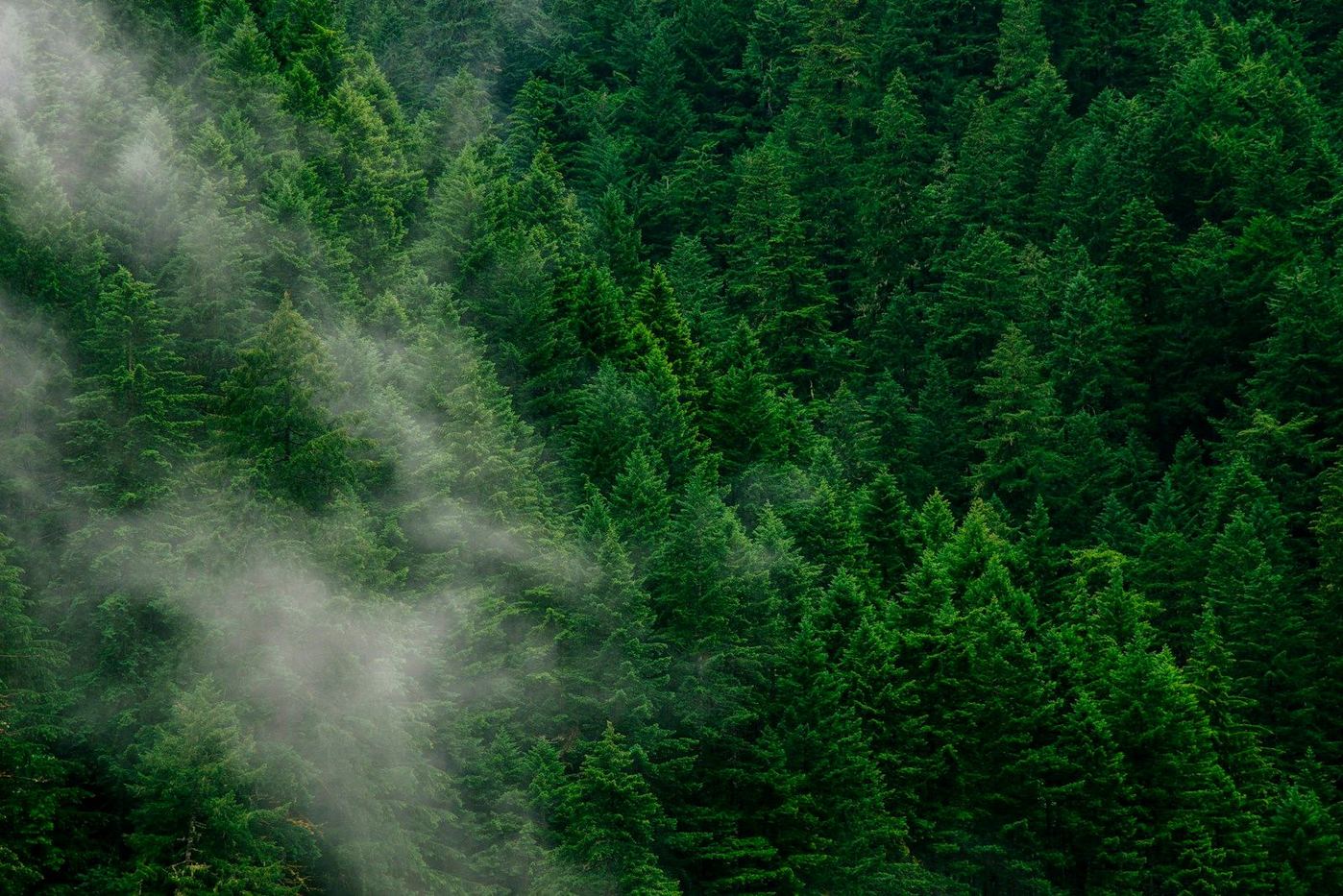
Kauri trees in New Zealand, particularly across the upper North Island, are under severe threat from kauri dieback disease. This condition is caused by the soil-borne water mold *Phytophthora agathidicida*, which infects tree roots and disrupts their ability to absorb water and essential nutrients.
Over the past two decades, the disease has led to significant tree mortality, with hundreds to thousands of kauri dying in regions such as Northland and Auckland’s Waitākere Ranges. These ancient trees, some centuries old, hold deep cultural significance for Māori and are crucial for storing substantial amounts of carbon within their biomass.
Dieback Accelerates Carbon Loss in Forests
New research, based on studies initiated between 2011 and 2014 in Waitākere Ranges kauri forests, details the impact of dieback on carbon sequestration. Healthy forest stands, starting with an average of 169 tonnes of carbon per hectare, typically gained about 0.8 tonnes per hectare annually.
In contrast, stands showing signs of kauri dieback lost approximately 0.1 tonnes per hectare each year, while severely affected areas experienced losses of around one tonne per hectare annually. This represents a significant shift of about 1.8 tonnes of carbon per hectare per year between healthy and severely impacted forest plots.
Mature Kauri Critical for Carbon Storage
The study also found that the most substantial changes in carbon storage occurred in mature kauri forests, which initially contained the highest carbon levels. These older plots averaged about 248 tonnes of living carbon per hectare, significantly more than the approximately 88 tonnes per hectare found in younger, regenerating forests.
Kauri trees themselves contributed, on average, about half of the living carbon in their ecosystems, with their share increasing in more carbon-rich forests. The death of a large kauri tree therefore leads to a considerable reduction in the living carbon pool, potentially shifting these forests from carbon accumulators to net emitters.
Implications for Sustainable Sourcing
The ongoing threat to kauri forests underscores the importance of conservation efforts for maintaining ecosystem health and carbon stocks. While the direct timber implications for the Asian market are not specified, the decline of a significant native timber species like kauri can influence global sustainable sourcing discussions and the availability of certified wood products.
For procurement teams and specifiers in Asia, this highlights the growing pressure on natural timber resources and the increasing value of responsibly managed forests.
Continued research into treatments like phosphite and public participation in preventing disease spread, such as cleaning footwear when entering forests, are vital to protect these valuable carbon sinks and ensure future availability of sustainable wood alternatives.
Get The Materials Brief.
The week in materials, projects and sourcing, every Tuesday. Free.