Kyoto Project Turns Bear-Marked Cedar into Urushi Surfboards
The BEARS WOOD PROJECT, launched in 2022 by Tsutsumi Asakichi Urushi, transforms Japanese cedar marked by Asian black bears into unique surfboards under its siita brand, preventing its discard.
Salvaging Timber from Bear Damage
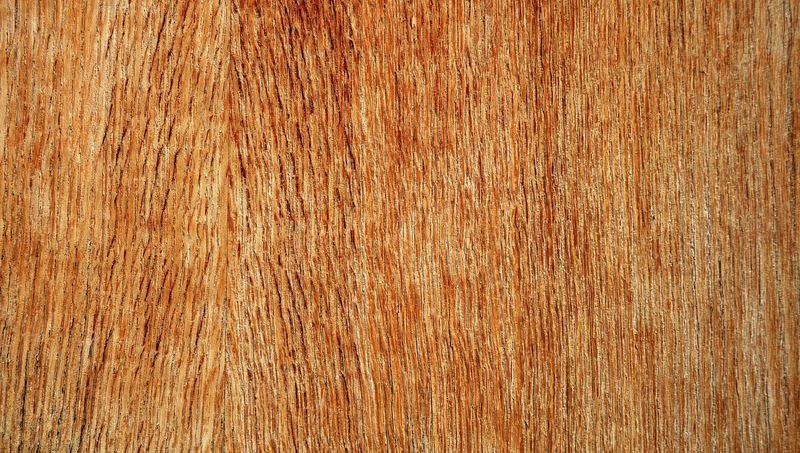
The BEARS WOOD PROJECT, initiated in 2022 by Kyoto's Tsutsumi Asakichi Urushi, is revaluing Japanese cedar timber from the Keihoku forests. This wood typically faces reduced commercial value or discard due to irregular grain patterns created when Asian black bears strip bark from cedar and cypress trees, a behavior known as kumahagi.
As the trees continue to grow, new tissue forms around these wounds, distorting the wood grain. Kyoto City reports that such damaged trees are often chipped for fuel or left in the mountains. The project, however, embraces these natural marks, integrating them into finished products.
Collaboration in Craft and Materials
At the core of the project is Takuya Tsutsumi, the fourth-generation head of Tsutsumi Asakichi Urushi, a Kyoto lacquer shop founded in 1909. He collaborates with wooden surfboard shaper Rodrigo Matsuda, who brings nearly two decades of experience to the craft.
Matsuda shapes the local cedar, including the bear-damaged timber, in Keihoku, while Tsutsumi applies layers of urushi, a natural resin traditionally used in Japanese craft. This process, adjusted by Tsutsumi to account for temperature and humidity, seals the distinctive grain, making the forest's marks a central aesthetic feature of the finished boards. The project launched its siita brand of wooden surfboards in 2023.
Economic Revaluation of Damaged Wood
The issue of kumahagi is a significant concern for forestry in Kyoto Prefecture, as it diminishes the economic viability of affected timber. The BEARS WOOD PROJECT directly addresses this by purchasing timber with bear damage at a proper price from foresters. This approach transforms what was once a commercial drawback into a distinguishing characteristic.
The workshop, situated in a century-old farm shed by the Katsura River, utilizes cedar from Keihoku, a region that has supplied timber to Kyoto for over a thousand years, alongside other woods like paulownia. The project's surfboards draw inspiration from the finless alaia boards historically ridden in Hawaii.
Implications for Sustainable Material Sourcing
For architects, interior designers, and procurement teams across Asia, this Kyoto initiative offers a model for re-evaluating materials traditionally deemed 'imperfect' or commercially unviable.
Specifiers looking for unique, narrative-driven materials could consider products that incorporate natural 'defects' as design features, potentially expanding sourcing options and reducing waste.
This approach could encourage suppliers in timber-rich regions to explore similar collaborations that find new applications for materials currently discarded, fostering more sustainable practices within the building materials and FF&E supply chains. When sourcing, ask suppliers about their strategies for utilizing non-standard or 'character' grade materials.
Get The Materials Brief.
The week in materials, projects and sourcing, every Tuesday. Free.