Kengo Kuma-designed Romeo Massa Lubrense hotel opens May 2027
The new Italian property, reimagined from a 1963 hotel, will feature a design palette using local tuff, travertine, American walnut, and matte ceramics.
Project Debut in Italy
The Romeo Collection plans to launch its third property, Romeo Massa Lubrense, in May 2027. Located in Punta San Lorenzo, Italy, the hotel is situated within a natural reserve on a private fjord, close to Capri. This project involves the transformation of the historic 1963 Hotel Delfino, with a focus on environmental restoration.
The new destination aims to provide a retreat that connects guests with its natural surroundings. Alfredo Romeo, founder of The Romeo Collection, stated the vision is to create destination-driven experiences, capturing the authentic spirit of the Italian coast and redefining luxury resorts in Italy.
Kengo Kuma's Architectural Approach
Architect Kengo Kuma designed the Romeo Massa Lubrense, emphasizing a blend of architecture and nature. Kuma's philosophy centers on integrating structures into their environment, drawing inspiration from the Japanese concept of Ma, which interprets emptiness as a silent presence rather than an absence.
This approach aims to create a contemporary sanctuary that maximizes the property's connection to its site. The design seeks "visual subtraction," removing clutter and blurring the lines between the building and its natural setting.
Material Specifications and Design Details
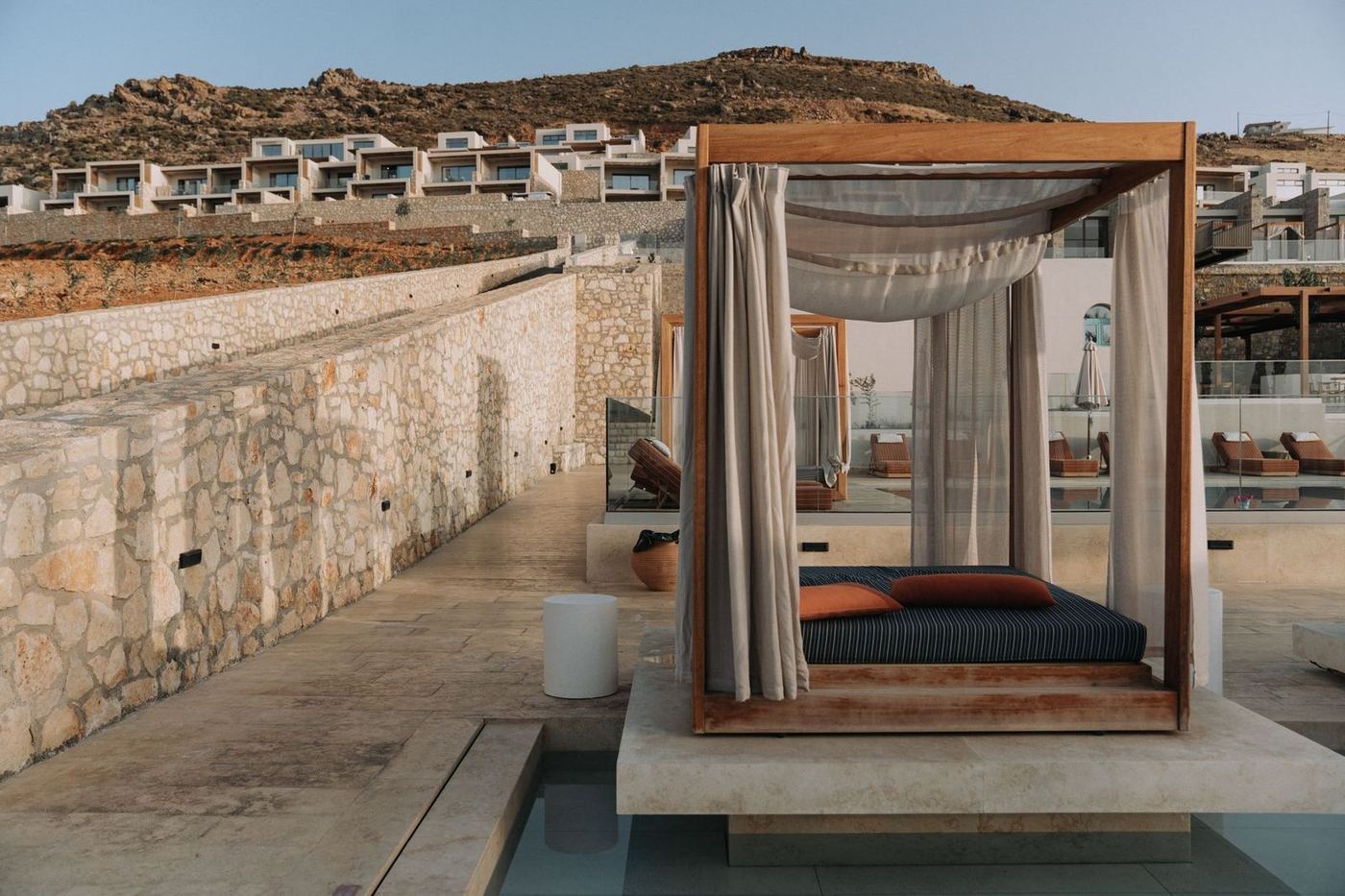
The design palette for the 63 rooms and suites utilizes warm, organic tones and natural Mediterranean materials. Key specifications include local tuff, travertine, American walnut, and matte ceramics. These materials are combined with transparent elements and Kuma's characteristic soft curves to achieve a minimalist aesthetic.
The property's layout promotes indoor-outdoor living, with views over the Gulf of Naples designed to merge the infinity pool with the sea. This material and design strategy ensures the architecture becomes integrated with the light, sea, and natural cliffside.
Implications for Asia's Design and Sourcing Sector
The specification of natural and regional materials like tuff, travertine, American walnut, and matte ceramics in a high-profile luxury project highlights a continued trend towards authentic, locally-inspired design.
For Asian FF&E manufacturers and material suppliers, this project demonstrates a demand for natural finishes and sustainable sourcing practices in the global hospitality sector. Specifiers working on projects in Asia may look for similar material palettes that emphasize connection to place and environmental integration.
Manufacturers capable of supplying certified natural stone, sustainably sourced timber, or artisanal ceramics could find opportunities by aligning with these design principles for luxury developments across the region.
Get The Materials Brief.
The week in materials, projects and sourcing, every Tuesday. Free.