Jakarta's Great Garuda Project Faces Planning, Social Challenges
Jakarta's ambitious Great Garuda project, designed to protect the capital from floods and create new land, faces complexities in planning and significant social impact on local communities. The initiative integrates coastal defense with urban development, driving demand for materials but also raising concerns about equitable development.
Project Overview and Initial Vision
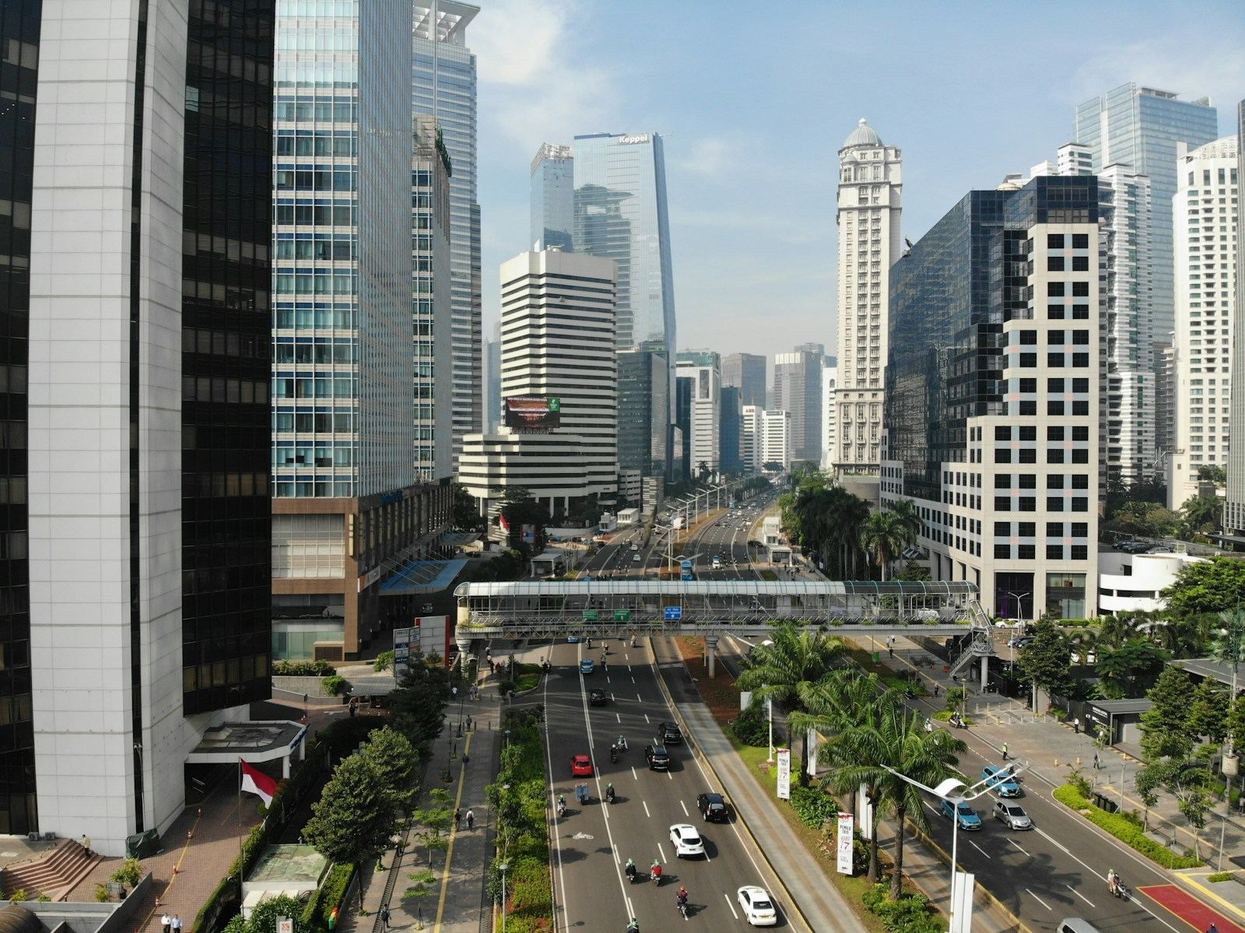
Jakarta's Great Garuda coastal defense initiative aimed to integrate urban planning with flood protection and land reclamation. The 2015 National Capital Integrated Coastal Development (NCICD) Executive Summary outlined this project, proposing an offshore dike and reservoir system.
This system intended to shield the capital from rising sea levels and land subsidence while also creating new developable land. The plan encompassed coastal protection, water management, land reclamation, transportation infrastructure, and economic growth.
Its original concept envisioned a vast seawall shaped like Indonesia's national symbol, the mythical Garuda, transforming protective infrastructure into a new urban area. This approach sought to resolve Jakarta's vulnerability to flooding, heavy rainfall, river discharge, and tidal pressures on its drainage systems.
Planning Evolution and Land Development
The planning framework for Jakarta's coastal defense evolved to link flood protection directly with the production of new urban land. Academic research describes this as "hyper-planning," where infrastructure, urban spectacle, and territorial transformation became inseparable.
The 2015 NCICD document proposed integrating spatial planning for the coastal defense with Jakarta's 17-island reclamation program, despite their separate management. This arrangement aimed to use a percentage of developers' profits from the 17 islands to cross-fund public infrastructure, including social housing, pumping stations, and water retention ponds.
This mechanism connected land creation to infrastructure finance, where reclaimed land generated development value, which in turn funded further infrastructure. This made the wider coastal territory viable for additional development, effectively turning the coastline into both a protective edge and an asset for urban expansion.
Social Impact and Development Outcomes
The implementation of the Great Garuda project has shown challenges, particularly concerning existing coastal communities. Jakarta's northern coastline is home to fishing communities, informal settlements, traders, and workers whose livelihoods are tied to the water.
Research conducted between 2017 and 2023 with fisher communities in Kamal Muara and Muara Angke documented these changes, including the impact on territorial access and new forms of dispossession resulting from reclamation.
For instance, Golf Island, a development on reclaimed territory, features residential clusters, commercial spaces, a marina, and leisure facilities within a controlled waterfront environment. This demonstrates how reclamation can create gated, island-based urban enclaves, which are privately developed, selectively accessible, and economically differentiated.
While these communities already face recurrent flooding and severe land subsidence, the reclamation process transforms their traditional coastal economy of fishing, mussel cultivation, and salted-fish production.
Consequence for Materials Procurement
Large-scale infrastructure and urban development projects like Jakarta's Great Garuda demonstrate the significant demand for building materials in Southeast Asia. For procurement directors and specifiers, such projects highlight the need for robust supply chains for concrete, steel, piling, and specialized marine construction materials.
The long-term nature and evolving scope, influenced by social and environmental factors, require flexible sourcing strategies. The development of new urban enclaves, such as Golf Island, also drives demand for interior finishes, FF&E, and landscaping materials for residential, commercial, and hospitality sectors.
Suppliers targeting major infrastructure and urban expansion initiatives in Asia should monitor these complex projects, noting the integration of public and private funding, which can influence material specifications and procurement timelines.
Get The Materials Brief.
The week in materials, projects and sourcing, every Tuesday. Free.