
Indonesia-Australia Research Boosts Timber Resilience, Pulp Supply
A decades-long collaboration between Indonesian and Australian research bodies has strengthened Indonesia's forestry sector, focusing on disease-resistant plantation species like acacia, eucalyptus, and cajuput. The partnership, led by Dr. Anto Rimbawanto, improved material sourcing for pulp and paper and supported sustainable community forestry.
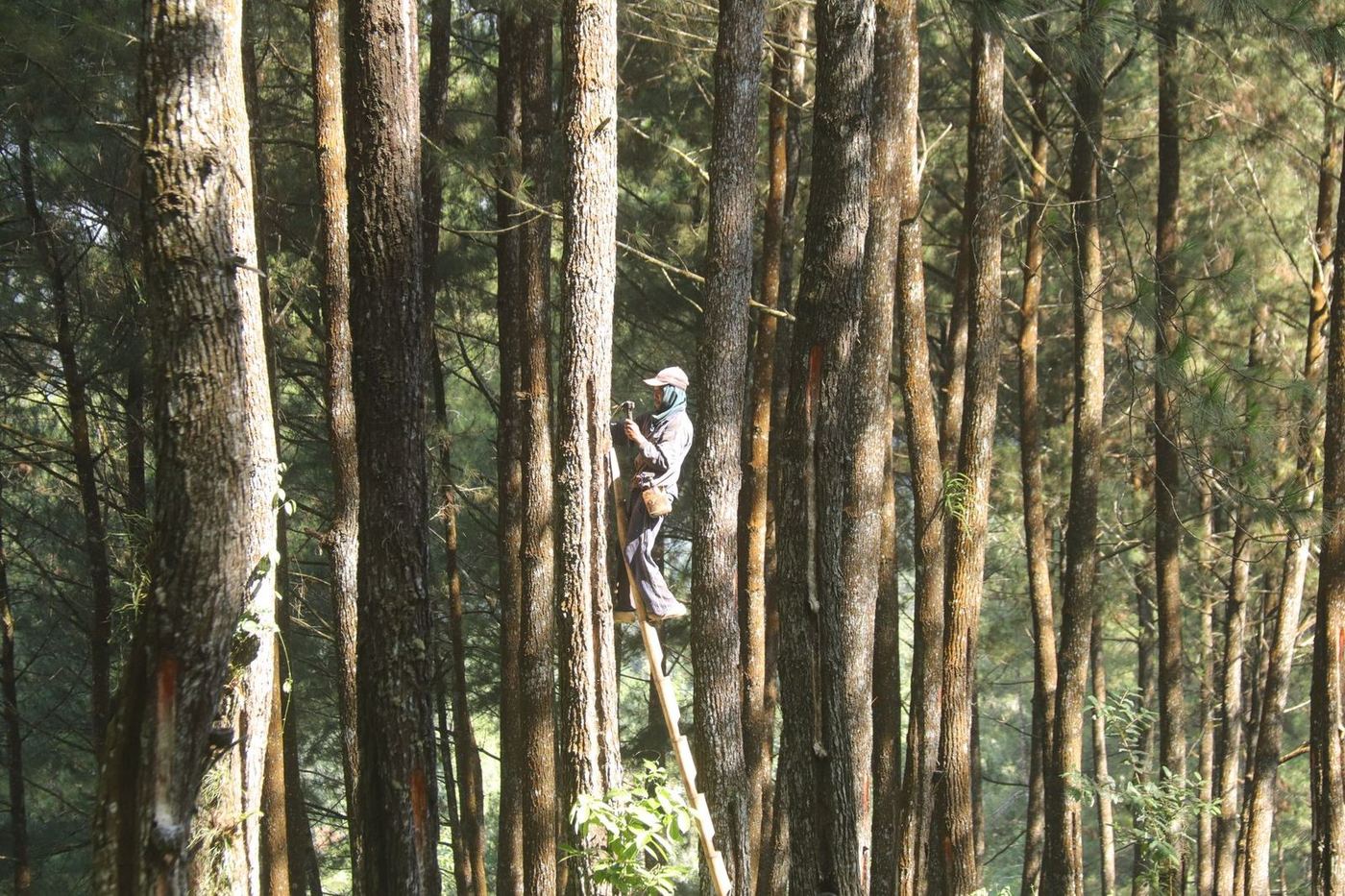
Decades-Long Partnership Secures Timber Resources
Indonesian forester Dr. Anto Rimbawanto spent over four decades advancing forest resource understanding and sustainable management. He worked first with the Ministry of Environment and Forestry's Agency for Forest Research and Development, then with the National Research and Innovation Agency (BRIN).
His career involved extensive collaboration with the Australian Centre for International Agricultural Research (ACIAR), a partnership spanning over three decades. This joint effort connected Indonesian and Australian researchers through shared studies, training, and capacity development.
The collaboration strengthened scientific capabilities in Indonesia and delivered lasting benefits for its forestry sector and the communities dependent on it. ACIAR states its involvement also deepened Australia’s understanding of tropical forestry systems and plantation species across the region.
Research Focus on Plantation Species and Disease Resistance
Dr. Rimbawanto directed eight ACIAR-backed forestry projects over 25 years, specializing in forest genetics and tree improvement. His work addressed plantation forest diseases and applied DNA technologies to enhance plantation productivity and resilience. A key focus involved testing acacia and eucalyptus species, grown widely in Indonesia to supply the pulp and paper industry.
This research identified varieties better suited to disease-prone areas, supporting industry productivity and giving communities access to more resilient planting material. He also improved cajuput varieties (Melaleuca cajuputi), a tree native to eastern Indonesia, Timor-Leste, and northern Australia, whose oil is used in households.
Community Impact and National Recognition
Research on cajuput varieties significantly impacted local communities. Dr. Rimbawanto's work on improved planting material and practical guidance led to more productive plantations and reliable incomes. ACIAR supported his team's cajuput breeding program with specialized training, technical expertise, and tools, including leaf oil content analysis.
In 2022, the Kofarwis farmer group in Biak Numfor Regency, supported by his efforts, received Indonesia's Kalpataru Award for community-led, environmentally responsible forestry. This model has since been adopted by other villages.
In 2024, Dr. Rimbawanto received Indonesia's Satyalancana Pembangunan Medal of Honour for Development, recognizing his work with farming groups, including transitioning from illegal logging to sustainable cultivation. ACIAR's Dr. Nick Hogarth noted Dr. Rimbawanto's commitment strengthened relationships and knowledge benefiting Indonesia's forestry sector.
Implications for Asian Wood Material Sourcing
For Asian procurement directors and specifiers sourcing wood-based materials, this long-term research demonstrates a sustained effort to secure resilient and productive timber supplies from Indonesia. The identification of disease-resistant acacia and eucalyptus varieties directly impacts the stability and quality of raw material for the pulp and paper industry.
Buyers should inquire about the genetic origin and disease resistance profiles of timber products from Indonesian suppliers, particularly for large-scale projects relying on consistent material flow. Furthermore, the success of community-led sustainable forestry models, recognized by awards like the Kalpataru, points to a growing availability of responsibly sourced materials.
This offers a reference point for those seeking materials with verified environmental and social governance (ESG) credentials from Indonesian forestry operations.
Get The Materials Brief.
The week in materials, projects and sourcing, every Tuesday. Free.


