Hong Kong AC Drove 30 Percent of 2023 Electricity Use
Hong Kong's air conditioning consumed approximately 30 percent of the city's total electricity in 2023, reflecting a regional trend as Singapore and Bangkok also integrate extensive climate-controlled pedestrian networks.
Integrated Urban Environments
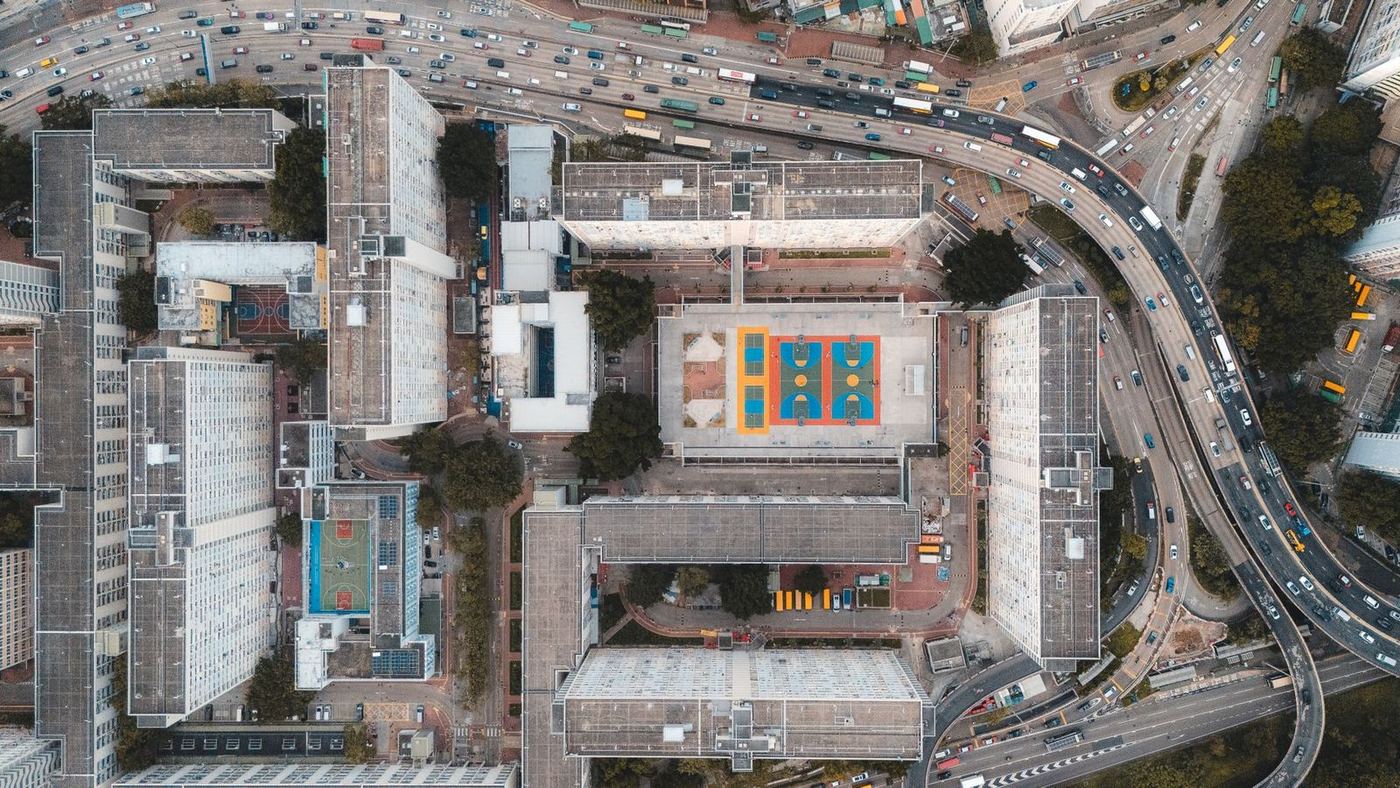
Hong Kong's urban development model has increasingly integrated climate-controlled interiors into daily life, allowing residents to navigate the city largely independent of external weather conditions.
This approach, often seen in East and Southeast Asian cities, combines residential towers, commercial complexes, and public transport systems like the Mass Transit Railway (MTR) through enclosed footbridges and underground passages.
This "Railway plus Property" model transforms shopping malls into essential circulation infrastructure, where activities from commuting to shopping and dining occur within managed, conditioned spaces. The design prioritizes comfort and convenience, enabling dense populations to move efficiently while providing relief from heat, humidity, and heavy rainfall.
Regional Planning for Pedestrian Comfort
The integration of conditioned interiors extends beyond Hong Kong, reflecting a broader regional strategy for urban comfort. Singapore's Urban Redevelopment Authority actively supports the development of covered, elevated, and underground pedestrian connections, linking rapid transit stations with various developments.
Some districts in Singapore are designed around comprehensive multi-level networks, ensuring comfortable, all-weather movement for pedestrians. Similarly, in Bangkok, the One Bangkok development incorporates both shaded outdoor routes and enclosed air-conditioned areas, offering parallel solutions for pedestrian comfort in the city's tropical climate.
These initiatives create an increasingly continuous interiorized urban landscape rather than isolated climate-controlled buildings.
Energy Demands of Climate Control
Maintaining these extensive climate-controlled environments carries substantial energy costs. In Hong Kong, air conditioning alone accounted for approximately 30 percent of the city's total electricity consumption in 2023, according to data from the Electrical and Mechanical Services Department.
This figure demonstrates the significant energy demands required to cool large, interconnected urban spaces, which function as extensions of the public realm. The continuous operation of these systems, essential for providing comfort in a tropical climate, contributes substantially to the overall energy load.
This presents a considerable challenge for sustainable urban development and energy infrastructure planning in densely populated Asian cities, where such integrated indoor environments are becoming the norm.
Implications for Building Materials and HVAC
The high energy consumption associated with urban climate control emphasizes a critical need for advanced building materials and HVAC systems in Asian projects. Developers and specifiers in Hong Kong, Singapore, and Bangkok should prioritize solutions that enhance thermal performance and reduce cooling loads.
This includes high-performance glazing and facade systems, improved insulation for building envelopes, and energy-efficient air conditioning units with advanced controls.
For example, selecting materials with low solar heat gain coefficients and specifying HVAC systems with high Seasonal Energy Efficiency Ratios (SEER) can significantly lower operational costs and environmental impact.
Manufacturers supplying these markets must offer certified products that meet stringent energy efficiency standards to support the continued development of comfortable yet sustainable urban environments.
Get The Materials Brief.
The week in materials, projects and sourcing, every Tuesday. Free.