Byunggwon Na ALIT Lamp Features Removable Slip-Cast Ceramic Shades
Seoul-based designer Byunggwon Na created the ALIT lamp, integrating slip-cast ceramic shades with a square timber base. The modular design allows users to change shades, altering light diffusion and the lamp's appearance.
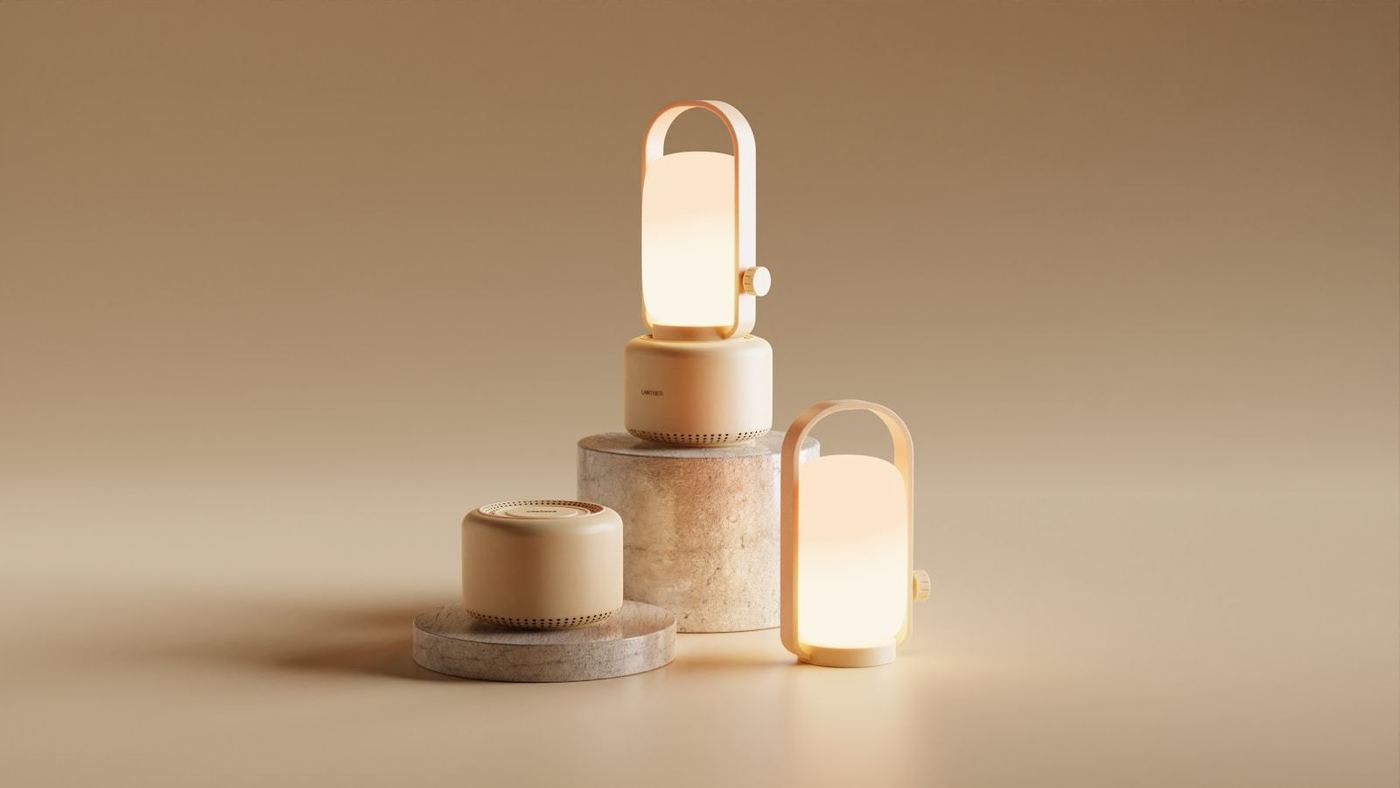
Modular Design with Ceramic and Timber
Seoul-based designer Byunggwon Na developed the ALIT lamp, which uses removable slip-cast ceramic shades combined with a square timber column. The design focuses on the interaction between the ceramic, wood, and emitted light. The ceramic shade rests directly on the timber base, allowing light to fall across both materials simultaneously.
This modular approach enables the exchange of ceramic pieces, which changes the lamp's overall character. The lamp operates without complex assembly, supporting easy shade replacement or independent use of the shade as a separate object.
Slip-Cast Ceramic Production
Byunggwon Na produces the ALIT lamp's ceramic shades through slip casting. Conceptually, the shades begin as a circular plane folded into four quadrants, generating four gently curved surfaces around the perimeter. This shape balances strict geometry with an organic form. The shade is not permanently fixed to the timber base, allowing it to be lifted off and replaced.
This design choice highlights the junction between the solid, rectilinear timber base and the thinner, curved ceramic diffuser.
Light Diffusion and Color Integration
The ALIT lamp explores how color impacts light diffusion. Pigments are mixed directly into the liquid slip before casting, ensuring the ceramic shade's tone is consistent throughout the material, rather than applied as a surface glaze. Lighter ceramic versions permit illumination to travel through the shade.
In contrast, pigmented shades become opaque, directing a softer pool of light from underneath the shade, where it interacts with the grain and surface of the wooden column. This demonstrates illumination as a variable component within the lamp's composition.
Implications for Asian Specifiers
For procurement teams and interior designers in Asia, the ALIT lamp presents a modular lighting solution offering aesthetic and functional flexibility for hospitality or residential projects. The ability to interchange ceramic shades provides options for adapting to diverse interior schemes or lighting requirements without needing to replace the entire fixture.
Specifiers can evaluate how the material interplay of slip-cast ceramic and timber, combined with varied light diffusion from pigmented versus translucent shades, aligns with specific design briefs or sourcing strategies for FF&E in the region. This approach supports customization in projects seeking distinct lighting elements from Asian designers.
Get The Materials Brief.
The week in materials, projects and sourcing, every Tuesday. Free.