Aceh Illegal Gold Mining Destroys 23,433 Hectares of Forest
Illegal gold mining operations continue in Aceh, Indonesia, past an August 17 deadline, with environmental research showing 23,433 hectares of forest cover lost between 2023 and 2025.
Mining Continues Despite August 17 Deadline
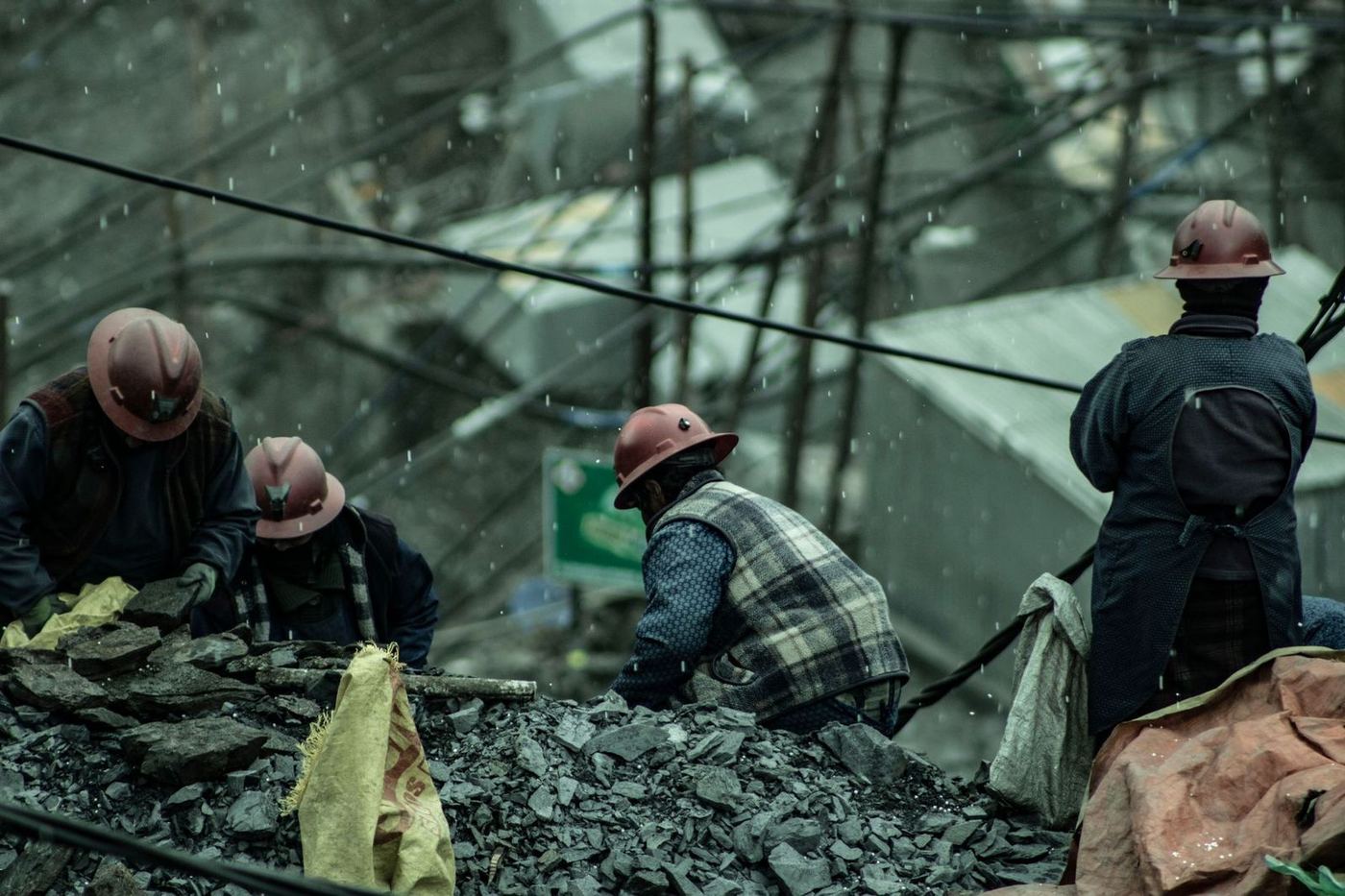
Illegal gold mining activities persist in Indonesia’s Aceh province, despite a directive from regional government and law enforcement officials to halt all operations by August 17, 2026. This deadline coincided with Indonesia's independence anniversary.
Local communities in districts such as Nagan Raya, South Aceh, and Pidie report that heavy equipment, including excavators, remains active in forest interiors as of late August and into September 2026. Residents also note ongoing fuel and supply deliveries to these mining sites, with some attributing local gas station fuel shortages to demand from the illegal operations.
Extensive Forest Damage Documented
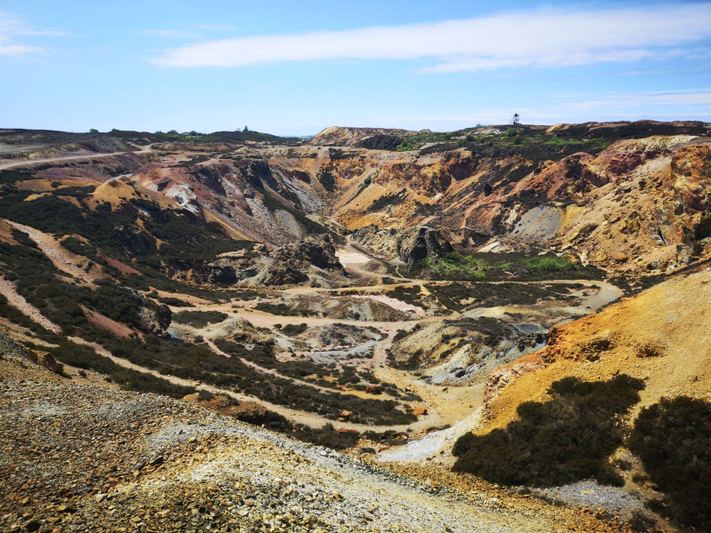
Research conducted by the Indonesian Forum for the Environment (Walhi), Aceh’s provincial chapter, indicates that illegal mining caused significant forest destruction between 2023 and 2025. During this period, 23,433 hectares of forest cover were damaged, with 10,552 hectares (45 percent of the total) occurring within protected forest areas.
Ahmad Shalihin, Walhi’s director, stated that more than 1,000 units of heavy equipment have been identified in these forest areas, supporting over 450 illegal mining operations across various regions of Aceh. The environmental group is advocating for authorities to seize this equipment and pursue financiers of these activities.
Impact on Key River Systems and Chemical Use
Walhi’s analysis reveals that over 80 percent of the documented forest damage is concentrated within three primary river systems: the Meureubo, Seunagan, and Woyla rivers, with the Woyla system accounting for nearly one-third of the total damage.
Illegal miners frequently use mercury and cyanide to extract gold, both of which are banned by Indonesian law due to their severe environmental and health risks.
M. Nasir, who served as Aceh’s leading civil servant until August 2026, previously acknowledged the widespread nature of these activities, noting their presence in districts including Aceh Besar, Aceh Jaya, Central Aceh, Gayo Lues, Nagan Raya, Pidie, South Aceh, Southwest Aceh, and West Aceh.
Implications for Timber and Sustainable Sourcing
The ongoing destruction of Aceh’s forests, particularly high-conservation-value areas like the Leuser Ecosystem, directly impacts the availability of natural timber resources from Indonesia. For procurement directors and specifiers in Asia’s building materials and FF&E sectors, this situation signals potential challenges in sourcing sustainable wood products from the region.
The extensive loss of forest cover, coupled with the use of heavy equipment in these illegal operations, could lead to increased pressure on certified timber supplies or drive up costs for raw materials.
Buyers are advised to scrutinize the provenance of wood-based products from Indonesia to ensure compliance with environmental standards and to mitigate supply chain risks associated with deforestation.
Get The Materials Brief.
The week in materials, projects and sourcing, every Tuesday. Free.