US Forest Service Closes 23 Facilities, Cuts 6,000 Staff
The US Forest Service is relocating its national office to Salt Lake City, Utah, from Washington D.C., with a federal judge having temporarily halted the plan until early October 2026.
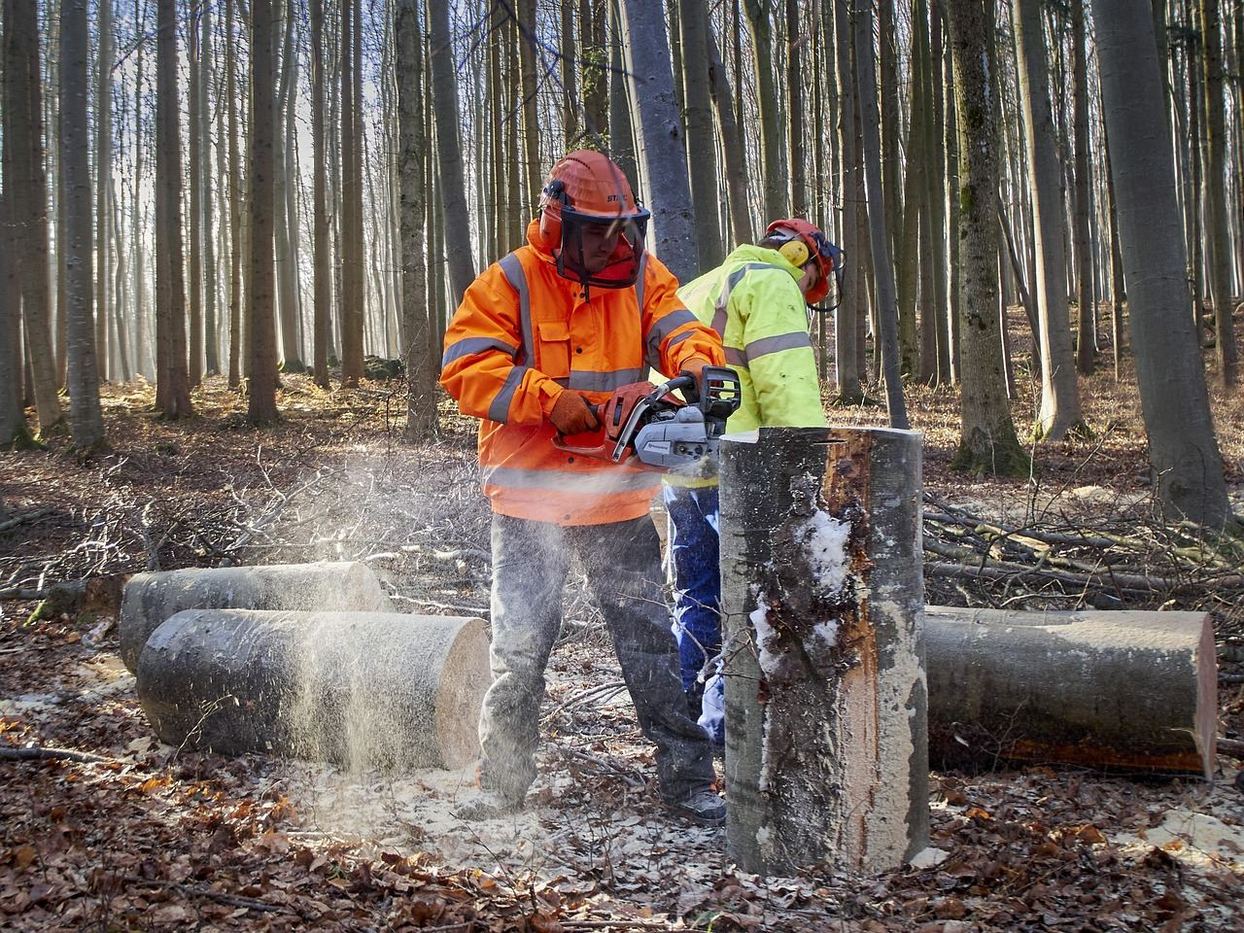
US Forest Service Restructuring Underway
The US Forest Service is undergoing a significant reorganization, with its national headquarters relocating from Washington, D.C., to Salt Lake City, Utah. This restructuring, which the administration states aims to reduce costs and decentralize decision-making, involves replacing the current nine regional offices with state-level operations.
Additionally, 23 research and development facilities are slated for closure. The agency also saw a substantial reduction in its workforce in February 2026, with approximately 6,000 employees, representing over 15% of its total staff, either laid off or offered early retirement. The initial target date for the full implementation of these changes was January 2027.
Legal Challenge and Implementation Delay
The reorganization faced a temporary setback in September 2026 when a federal judge issued a hold on the plan until at least 2 October 2026. This injunction followed a lawsuit filed by four federal unions, including the National Federation of Federal Employees (NFFE), alongside various non-profit organizations, cities, and counties.
NFFE-FSC President Genny Kotyk stated the council welcomed the temporary halt, emphasizing the essential nature of the affected employees' work and the potential for the reorganization to act as a "reduction in force" without proper employee protections. The lawsuit argued that such a sweeping reorganization required congressional approval.
The agency has since set a new target date of 11 January 2027 for the full stand-up of the new organizational structure.
Impact on US Forest Management and Timber Projects
The staff reductions and structural changes have already affected the management of 19 million acres of Forest Service land in Arizona, specifically impacting the ability of the state's six national forests to process critical thinning projects.
These projects are vital for reducing wildfire risk and restoring forest health, particularly in areas like Northern Arizona, where tree densities have increased dramatically from around 50 to 1,000 trees per acre over the last 50 years.
Scot Rogers, coordinator for the Four Forest Restoration Initiative (4FRI), noted that some leadership roles, such as the Arizona State Director, remain unfilled, although Christine Bale has been named New Mexico's state director.
Global Timber Market Implications
Uncertainty also surrounds the flow of federal funding under the new structure, with some forest supervisors unclear how budgets will be disbursed to local units, especially given that the federal budget year began in October 2026.
This reorganization occurs as the Natural Resources Working Group (NRWG), established by the Eastern Arizona Counties Association, works to bridge the gap between the struggling timber industry and the Forest Service. For Asian buyers and manufacturers relying on US timber, these disruptions could lead to increased lead times or price volatility for wood products.
Procurement teams across Asia should monitor US timber market reports for potential shifts in supply and consider diversifying their sourcing strategies to mitigate risks associated with ongoing management challenges in US forests.
Get The Materials Brief.
The week in materials, projects and sourcing, every Tuesday. Free.