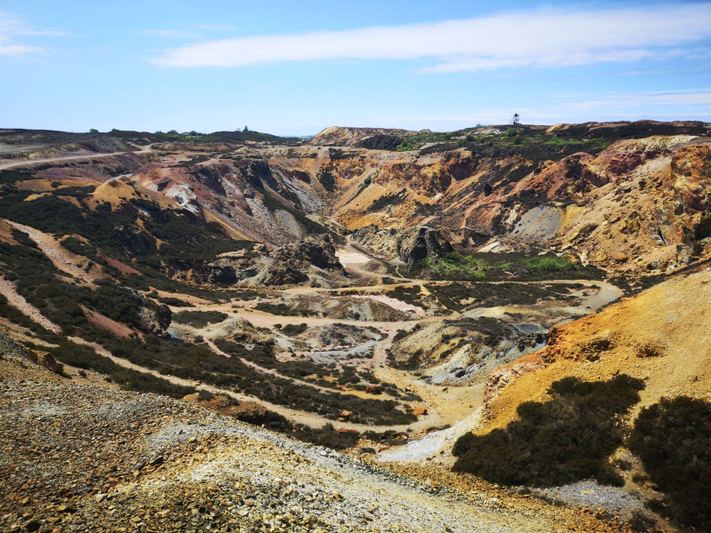
Illegal Logging Fuels $281 Billion Illicit Timber Trade
A new analysis reveals how illegal logging and mining revenues, estimated between $110 billion and $281 billion each year, infiltrate global supply chains, affecting legitimate timber and material sourcing.
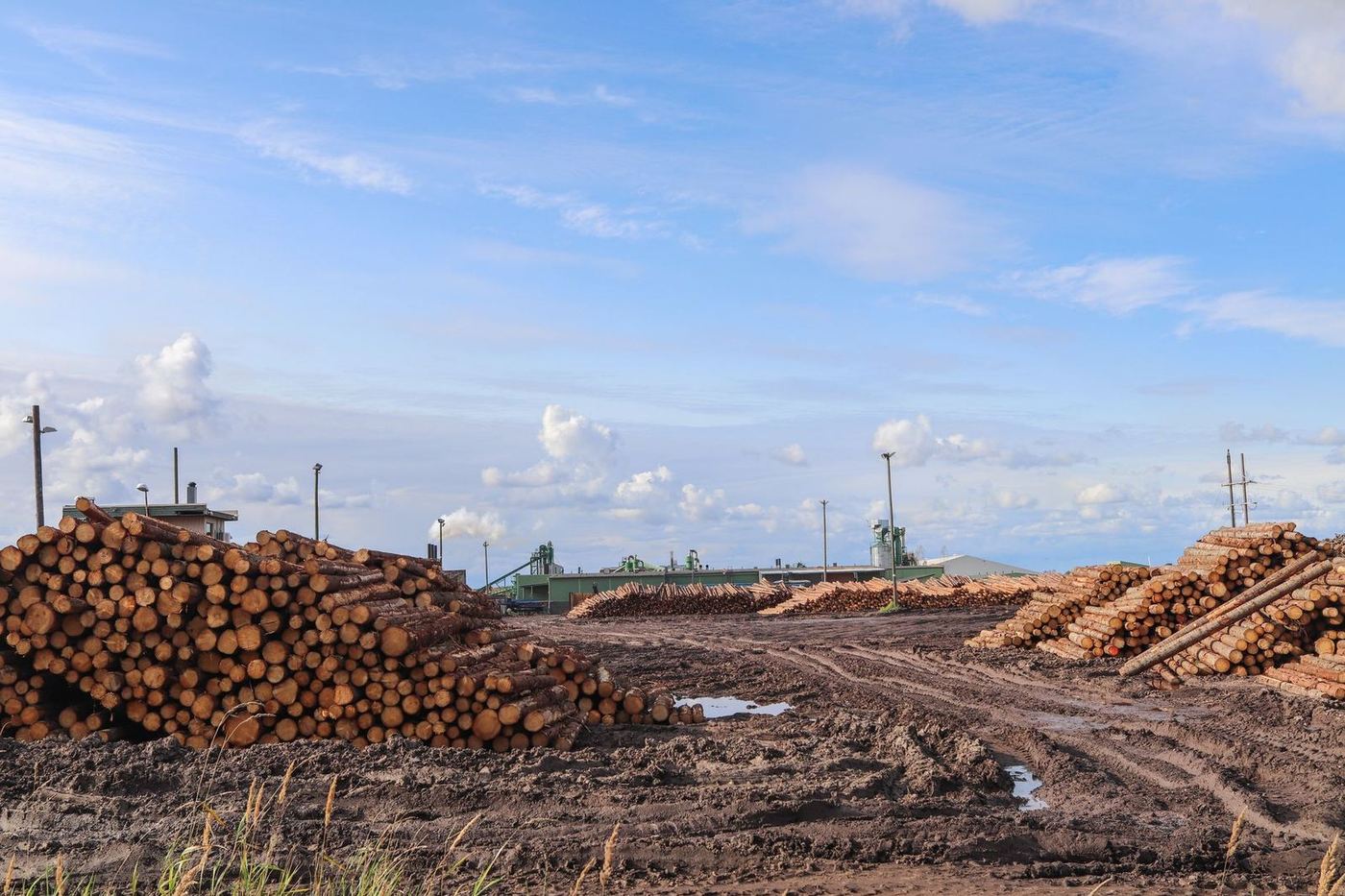
Illicit Trade's Economic Scale
The global criminal economy profits significantly from environmental degradation, with illicit logging and mining generating an estimated US$110 billion to US$281 billion annually. This figure, cited in a new analysis, indicates a substantial financial flow that damages natural ecosystems and undermines legitimate businesses.
Unlike efforts to value nature, criminal markets have long established a price for extracted resources, integrating these illegally obtained commodities into standard global trade routes, which makes them difficult to track and regulate.
Laundering Illegally Harvested Timber
One of the primary challenges in combating environmental crime is the sophisticated methods used to launder illicit materials. For instance, timber illegally felled in the Brazilian Amazon can acquire falsified paperwork at a sawmill and be mixed with legally sourced wood. By the time these products reach an exporter or consumer, their true origin has been obscured.
Investigators have previously traced over 25,000 cubic meters of illegally harvested timber from Pará, Brazil, through complex laundering networks to buyers in European countries like France, Germany, and Portugal, as well as the United States.
Profit Centers Beyond Extraction
While the image of a logger often represents environmental crime, the significant profits are captured further down the supply chain. Those financing equipment, arranging transport, manipulating permits, and moving proceeds into the legal economy are the primary beneficiaries.
Criminal organizations, often diversified from activities like drug trafficking, have expanded into timber, gold, and land across regions such as the Amazon Basin. These networks exploit the same commercial infrastructure used by legitimate trade, making detection challenging as value is captured far from the initial point of environmental damage.
Implications for Asian Building Material Sourcing
For procurement teams and specifiers in Asia sourcing timber and wood products, this global issue highlights the critical need for stringent due diligence. The seamless integration of illicit materials into legal supply chains means that verifying the provenance of timber is more important than ever.
Companies should prioritize suppliers who can demonstrate robust chain-of-custody documentation and certifications.
Enhanced scrutiny on global timber imports could impact sourcing strategies and costs for projects across Asia, requiring buyers to ensure their supply chains are transparent and compliant with international standards to avoid inadvertently supporting illegal trade.
Get The Materials Brief.
The week in materials, projects and sourcing, every Tuesday. Free.