Exterpark Decking: Patented Systems Resist 330 km/h Winds
New criteria for exterior decking specification now prioritize technical traceability and fixing system performance, exemplified by installations at projects like Marsa Al Arab.
Decking Specification Shifts to Fixing Systems
Exterior decking specification for architectural and contract projects now extends beyond material properties like density and water exposure. Technical teams, procurement departments in luxury hospitality, and site managers in high-end residential construction are increasingly scrutinizing the fixing system.
This shift is driven by the system's impact on visual finish, structural capacity under dynamic loads, ease of board replacement, and the documentary traceability required for quality audits and project competitions. The distinction between generic and patented, in-house developed fixing systems is becoming a decisive factor in the specification process.
Patented Clips Ensure Technical Traceability
A patented fixing clip provides a formal technical record, linking the product to a specific entity and establishing a clear chain of responsibility for a project. In contrast, an unpatented clip may change suppliers, geometry, or behavior between production runs without verification means for the architect.
Exterpark, a specialist in decking, has registered nine patents in fixing technology since 1995. Its first concealed fixing patent, Exterpark Classic, was introduced that year, leading to an ongoing internal research and development program. The ninth registration, the Shark clip, is currently the most advanced solution for screwless installation in its catalog.
High Wind Resistance and Project Applications
Exterpark's patented fixing systems have undergone testing by independent bodies including AIDIMME, Tecnalia, and Applus. According to data provided by the company, these systems offer wind resistance exceeding 330 km/h. This performance level is particularly valuable for walkable roof terraces, horizontal facades, and exterior areas in coastal or high-exposure environments.
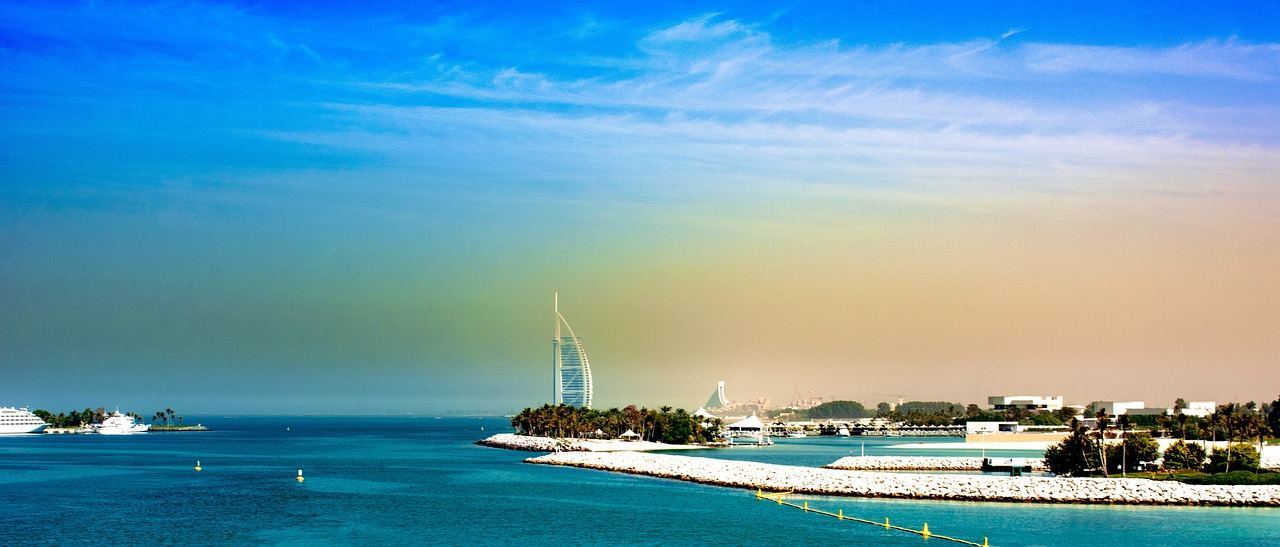
The technology has been specified for demanding luxury hospitality projects such as Marsa Al Arab and Bulgari Ocean Mansions, demonstrating its capacity to meet stringent technical and aesthetic requirements in real-world applications.
What Specifiers in Asia Should Ask For
The technical community involved in exterior decking specification is increasingly using proprietary patents as a qualification filter. For specifiers in Asia, this means prioritizing decking solutions with patented clip technology that offer verifiable technical requirements, rather than relying solely on commercial claims.
When sourcing for projects requiring high wind resistance or clear documentation, procurement teams should request proof of patent registration and performance certifications from a single point of contact.
Exterpark, with its Tech line (compatible with Shark system) and Wood line (Magnet S system), provides both material solutions and anchoring systems with supporting technical documentation.
Get The Materials Brief.
The week in materials, projects and sourcing, every Tuesday. Free.