Blue Crow Media maps 140 Brutalist buildings in Asia
Blue Crow Media's 'Brutalist Asia' explores the style's evolution, highlighting how exposed concrete shaped projects in 28 countries from Japan to Lebanon.
Asian Brutalism Reframed
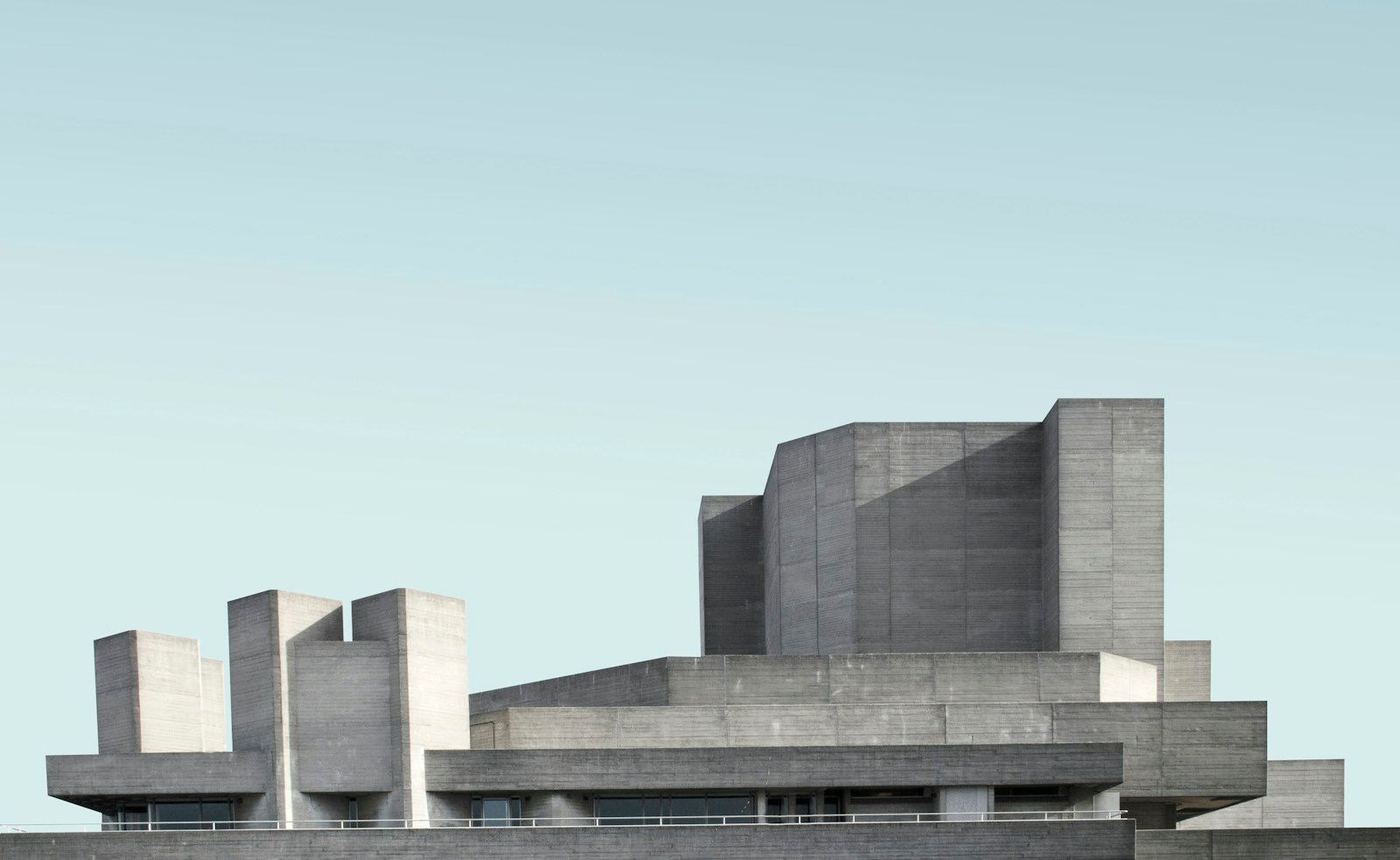
A new book, 'Brutalist Asia' from Blue Crow Media, offers a re-evaluation of Brutalist architecture, focusing on its development across Asia. The publication features 140 buildings and over 150 photographs, spanning 28 countries from Japan and Southeast Asia through South and Central Asia to the Middle East, Iran, and Lebanon.
It examines how architects in these regions adapted and transformed the architectural language of Brutalism to suit varied political, climatic, and cultural conditions.
The book includes internationally recognized works by figures such as Kenzo Tange, Paul Rudolph, Balkrishna V. Doshi, Raj Rewal, Charles Correa, Kim Swoo Geun, Leandro V. Locsin, and Le Corbusier, alongside significant but less widely known projects that expand the understanding of post-war architecture across the continent.
Global Spread of Exposed Concrete
Brutalism, which emerged in the mid-20th century with architects like Le Corbusier and Alison and Peter Smithson, reached its peak in the mid-1970s. The style spread globally, leading to diverse contextual interpretations in regions including Europe, India, Japan, the United States, and Latin America.
In many newly formed states, particularly in the Arab world, this architectural evolution became intertwined with nation-building ambitions. Exposed concrete, a defining material of Brutalism, transitioned from a structural element to a symbol of progress and modernity.
In Lebanon, for instance, reinforced concrete gradually replaced traditional stone construction, with architect Jacques Liger-Belair famously calling it 'our equivalent of stone' or 'liquid stone'.
Brutalism's Expression in Lebanon
Lebanon's Modernist architectural landscape, particularly in the 1960s, saw local architects and engineers shaping a distinctive Brutalist expression. Inspired by Le Corbusier and Brazilian Modernism, architects such as Joseph Philippe Karam, Khalil Khoury, Georges Khoury, Antoine Romanos, and Grégoire Serof adopted exposed concrete.
Notable structures include Khalil Khoury's Interdesign Building (1973), Joseph Philippe Karam's The Egg, Raoul Verney's Red Cross (1973), and Khalil Khoury's Manar Complex (1982). Lebanese Brutalism blended Modernist ideals with regional identity, climate responsiveness, and a sculptural approach to form.
However, this trajectory was interrupted by the Lebanese Civil War in 1975, leading to the decline of the Modernist movement and leaving many projects unfinished.
Insights for Specifiers and Procurement
This new publication offers specifiers and procurement teams a detailed reference for understanding Brutalist architecture across Asia. It illustrates how materials like exposed concrete were adapted to diverse regional identities, climates, and political contexts in 28 countries.
For projects aiming to integrate robust material expressions with local cultural nuances, the book provides a catalog of precedents and design philosophies from both prominent and lesser-known architects, offering insights into material selection and architectural form.
This resource can inform contemporary design choices that seek to balance modern aesthetics with specific regional requirements and material availability.
Get The Materials Brief.
The week in materials, projects and sourcing, every Tuesday. Free.